


Porto’s evenings can feel very different depending on whether you base yourself in the Historic Centre (around the riverfront and central hills) or on the Gaia side (across the Douro). Both areas are popular, but “safer-feeling” at night usually comes down to lighting consistency, how quickly you can reach a major road/metro line, and how crowded the street gets when you’re walking back.
Below, you’ll compare the night logistics and day-to-night street patterns so you can pick a base that matches the kind of evening walk you want.
Night Logistics: Historic Centre vs Gaia
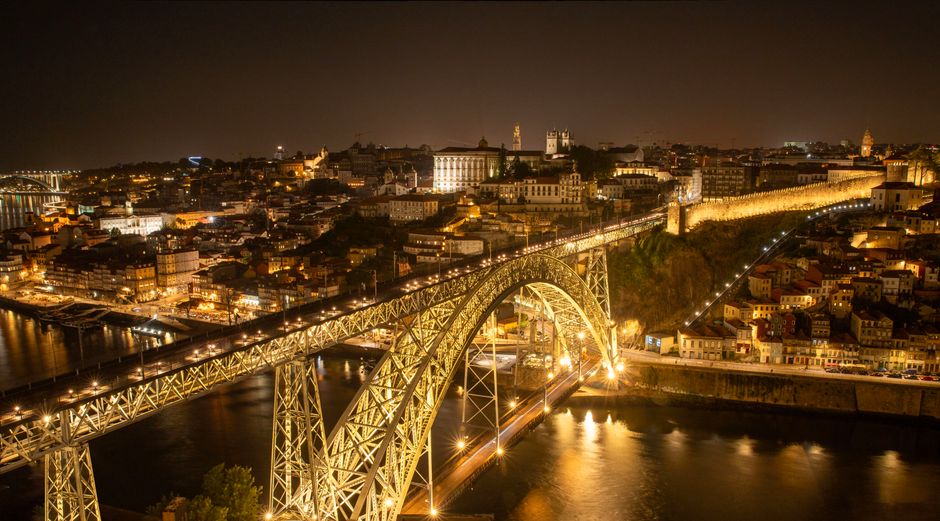
Walkability from your front door
In the Historic Centre, you often get classic streets close to sights, but the layout can turn steep and maze-like once you leave the busiest corridors. You may find it easy to walk “out to dinner,” then slower to navigate “back home” if your lodging is slightly uphill from the main pedestrian routes.
On the Gaia side, many popular hotel areas sit closer to the riverfront and flatter streets. That usually means fewer surprise climbs late at night and more straightforward turns toward bigger roads.
Crossing the Douro after dark
If you’re planning evening time in both places, factor in how you’ll cross back after dinner.
- If you’ll cross mainly on foot, choose a base that keeps the crossing distance reasonable for a late return.
- If you’ll cross by public transport or taxi, you’ll want to stay near a station or a main pickup point rather than on a quiet back street.
In general, Gaia can be the more convenient “late return” base if your priority is getting back quickly without relying on a long uphill walk.
Lighting and Foot Traffic Patterns

Historic Centre streets: brighter hubs, quieter side lanes
Around major viewpoints, the riverfront promenades, and central landmarks, lighting and foot traffic tend to stay steady into the evening. That’s where you’ll see the highest concentration of people walking, dining, and heading toward taxis.
Step even a few streets away, though, and the pattern can change quickly:
- Narrow lanes can feel darker once the main crowd shifts elsewhere.
- Some side streets feel quieter not because they’re dangerous, but because fewer people pass through.
- If your route includes steep grades, you may slow down—making it more noticeable if you’re alone.
For a safer-feeling evening walk, the Historic Centre works best when your accommodation is near a main, well-lit spine rather than tucked into a less-used alley.
Gaia riverfront: steady lighting, easier right turns
Gaia’s night rhythm is often more “linear.” Along sections of the riverfront and main approaches, you typically get consistent lighting and a steady stream of visitors.
A common advantage here is decision-making: when you’re walking back, you’re more likely to stay on a main-lit road rather than threading between smaller lanes. Even if it’s not crowded, the environment often stays legible—more open sightlines, clearer directions, and fewer abrupt dead ends.
If you’re planning to walk before settling in for the night, Gaia usually gives you a simpler route from sights back to your base.
Where to Stay for Safer Evening Walks (By Area)
Instead of picking a hotel name first, pick an area first. These are the bases that typically give you the most controlled evening logistics—well-lit streets, a clearer route back, and easier access to transport.
Porto areas that work well at night
These options tend to keep you close to main pedestrian corridors, with enough evening activity to make walking feel more predictable:
- Baixa / Aliados (central grid): strong access to transport and multiple bright streets to orient yourself.
- São Bento to Avenida dos Aliados approaches: convenient for late-return routes because you’re near major connection points.
- Clérigos / Livraria Lello-adjacent streets: lively enough for evenings, but still check that your exact block isn’t tucked into a darker micro-lane.
- Ribeira edge (but choose carefully): great if you want river atmosphere, yet it can feel busy and restaurant-heavy—so prioritise a place with a straightforward route back.
Gaia areas that feel easier for late returns
If you’re aiming for calmer, more legible night walks with fewer routing headaches, these Gaia areas are often the better match:
- Cais de Gaia / riverfront approaches: consistent evening lighting and an intuitive “walk along the water, then back” pattern.
- Santa Marinha: tends to keep you within reach of main streets and avoids some of the steepest navigation challenges.
- Monserrate (upper-but-connected areas): can be quieter while still staying close enough to routes that don’t trap you in dim streets.
- Jardim do Morro vicinity: a popular evening area with good visibility; check that you’re not on a street where you’ll need to return via a steep, less-lit climb.
Tip for both sides: when you review your map, zoom in to the last 2–3 streets from your accommodation. The safest-feeling base is the one where your “final block home” stays on a main, well-lit street.
Late-Return Transit: Your Backup Plan
Even if you feel confident walking, you’ll sleep better if you have a simple backup plan for the last leg of your evening.
Metro and tram options for a smooth last mile
On the Porto side, you often have easier access to the major transport corridors when you stay closer to central connection points. That makes it simpler to return after shows, long dinners, or when it’s raining.
On the Gaia side, your goal is to be near the transport that connects cleanly back toward Porto’s core. If your base is too far from a main route, you may end up waiting longer or walking more than you planned—especially late.
What to do before you go out:
- Identify the closest station/stop to your lodging (not just the one you used earlier in the day).
- Note a “walk-to” option—one main street you can reach quickly if your first transport idea doesn’t work.
Taxis and ride-hailing reliability
At night, taxis are often the simplest solution when your evening timing is unpredictable or you’re managing tired legs from hillier routes.
Key practicalities:
- Choose a hotel that’s easy for cars to reach (front entrance on a main road helps).
- If you plan to order a ride, keep a consistent pickup spot rather than trying to meet in a dim side street.
- During peak evening hours, expect more competition around the most popular restaurant zones.
If you’re prioritising safer evening walks, Gaia is frequently the easier starting point for late returns on foot—while Porto can be very comfortable if you’re close to bright corridors and transport connections.
Practical Booking and Safety Tips
You can tilt the odds in your favour without overthinking it.
Choose the right block, not just the hotel name
When you’re comparing the Historic Centre to Gaia, the biggest difference is rarely the overall neighbourhood—it’s the “micro-location.” Before booking, check:
- Whether your street is on a main-lit route (even if the hotel itself looks calm).
- How long it takes to reach a well-used corridor once you leave the property.
- Whether the route home involves steep grades; fatigue makes navigation harder.
A slightly less famous street can be the safer-feeling choice if it keeps your route predictable.
Plan your last hour outdoors
To keep evening walks comfortable, treat the last hour like a mini schedule.
- Decide where you’ll finish your walk (a riverfront stretch, a central square, or a main avenue) so you’re not “wandering for routes” when you’re hungry or tired.
- If you’re eating late, pick the walking direction first, then eat—rather than leaving dinner and improvising your return.
- If it’s rainy or windy, prioritise bases with quick access to taxis or transit so you’re not making long detours.
Next Steps for Your Porto Base
Pick the side that matches your evenings: Historic Centre for classic sights within reach, and Gaia for simpler late-return logistics and more consistent river-side lighting. Next, shortlist accommodation options in 2–3 specific sub-areas from each side, then check the exact last streets from your lodging to the nearest bright corridor and transport point.
When you’ve narrowed it down, plan one “test walk” route on your map for return time—ideally at the same hour you’d usually be out at night.