

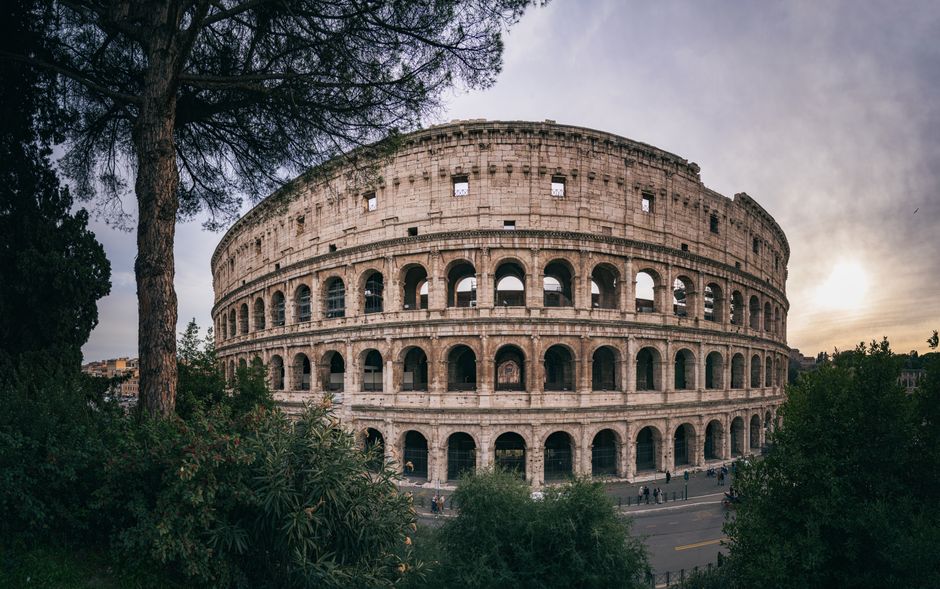
Planning a Rome archaeology day is mostly an exercise in ticket rules. With timed entry for the Colosseum, Roman Forum, and Palatine Hill, the “right” choice depends on what the ticket actually schedules (and what it leaves flexible), plus how you want your day to feel: calm at the start, or more relaxed later with bigger crowds.
This guide walks you through the main ticket types you’ll see, a practical time-window strategy, and an end-to-end routing plan from entrance through exits.
Ticket Types: What Timed Entry Usually Covers
Before you compare prices, you want clarity on what the booking page is scheduling. Rome’s system can look similar from one seller to another, but the wording usually reveals three things: what site the timed entry applies to, what access you get for the other zones, and whether you have access to special areas.
1) Standard Timed Entry for the Archaeological Areas
This is the most common choice for an independent visit. You’ll typically select a start time tied to entering the Colosseum area. The rest of the ticket generally gives you access to the Roman Forum and Palatine Hill within the validity rules shown at checkout.
Use this ticket if you want:
- One organised day at your own pace
- Access to all three zones under the same ticket umbrella
2) Tickets With Priority or Managed-Time Access
Some bookings add a “managed” experience. Often, this means smoother entry compared with standing in general queues, but the key is still the timed element: you’re still choosing a time window.
Choose this option if you value reliability over flexibility—especially if you’re travelling on a short itinerary and can’t afford delays.
3) Tickets That Include Extra Areas (Lower Levels / Special Routes)
Some ticket types include access to additional sections inside the Colosseum beyond the basic viewing route. The booking page usually indicates this with extra area wording and a different access plan.
Choose these only if you genuinely care about those areas—because they can make your route longer and require tighter pacing to finish before your window ends.
What You’re Actually Covering
Most combinations on sale for this theme revolve around the same three zones:
- Colosseum
- Roman Forum
- Palatine Hill
If a booking claims access to all three, the real question is whether it schedules only your Colosseum entry time, or also introduces another timed constraint you’ll need to respect.
Choosing the Right Time Window: A Strategy That Works
“Best time” depends on how you’re planning the day. Instead of hunting for the perfect hour, choose a time window that matches your tolerance for crowds and your willingness to move in a clear order.
Start-Time Logic: What Matters Most
For timed entry to work smoothly, your start time should achieve two goals:
- You reach security and entrance handling with enough buffer to enter without stress.
- You finish the Colosseum and the first Forum sections early enough that you’re not fighting the heaviest flow.
In practice, the earliest available windows are usually the easiest day. Later windows can still be good, but they tend to create pinch points—particularly around the Forum’s busiest viewpoints.
Morning vs Afternoon: How to Decide
Go for a morning time window if you want more space for photos, slower movement through interior spaces, and a calmer transition into the Forum.
If you’re forced into an afternoon window (or you’re combining this visit with other central sights), accept that:
- The Colosseum can feel more crowded later in the day.
- You may need to move faster through the Forum and decide in advance which viewpoints matter most.
Either way, don’t assume you can “wander for hours and still catch everything.” Timed entry systems often have strict validity periods and last-entry limits for specific zones.
Avoid the Common Booking Trap
The biggest mistake is choosing a ticket window that looks convenient but conflicts with how you plan to move through all three areas.
Before you confirm, double-check:
- Whether the timed slot applies only to the Colosseum entry, or also to the Forum/Palatine access
- Whether the ticket mentions a “valid from” time, a “must arrive by” rule, or other timing constraints
- Whether the booking includes any optional areas that might lengthen your route
If the page is vague, choose a time window that gives you a buffer rather than cutting it close.
End-to-End Route Planning: Entrance to Exits
A good route plan prevents two problems: wasting time backtracking inside the archaeological park, and arriving at the Forum sections when you’re already tired.
This is the most reliable order for most visitors:
- Colosseum
- Roman Forum
- Palatine Hill
Step 1: Your Colosseum Entrance (Plan for Security + Flow)
With timed entry, your day starts at the entrance you’re assigned for your time window. Aim to arrive before your slot starts; security and controlled access can take longer than you expect.
Once you’re inside, move with a simple strategy:
- Give yourself enough time for the main interior route without lingering too long at the first popular viewpoints.
- If your ticket includes additional areas, follow the intended sequence shown on-site rather than skipping around.
This approach keeps you from hitting the Forum when the day’s crowds are already peaking.
Step 2: Transition to the Roman Forum (Choose a Direction Early)
After the Colosseum, you’ll transition into the Roman Forum area. At this point, you’ll want to be deliberate about direction.
If you want the most “complete” Forum experience, arrive ready to move through the core pedestrian routes and pause briefly at key perspectives rather than treating it like a slow museum.
A useful rule of thumb is to decide early which Forum landmarks you’ll prioritise. If you try to see everything, you’ll lose time to congestion.
Step 3: Move Up to Palatine Hill (Comfort Counts Here)
Palatine Hill is often the most rewarding—and the easiest place to feel rushed. The terrain and pathways mean you should pace yourself.
A practical approach is to:
- Treat Palatine as your “walk-and-view” zone
- Allow time for a slower second half of the day if you booked an early window
- If you booked later, focus on fewer viewpoints and skip optional detours that don’t match your energy level
Exits: Plan Where You’ll Leave From
Your ticket rules and the on-site route will influence where you end. Most itineraries leave the archaeological park from the general exit flow that connects back to central Rome.
To avoid last-minute confusion:
- Confirm on your ticket page what areas you can access and any validity time constraints
- When you’re inside, follow the signs for the direction that returns you toward your preferred street exit
If you’re catching a later reservation in the city, give yourself an extra buffer for exit navigation and the final walk back to transport.
Practical Booking Checks for a Smooth Day
Timeds entry tickets can be straightforward—until details like access rules, optional areas, and time-window wording get overlooked. Use these checks while you book.
What to Confirm on the Booking Page
Before payment, scan for the items below. If anything is unclear, choose a ticket where the details are explicit.
- The exact time-window requirement (and whether it affects only the Colosseum)
- Which of the three zones are included under your ticket
- Whether your ticket includes any extra areas that add to the route
- How long your ticket is valid after your start time (or the latest time you can enter)
How to Build Buffer Into Your Day
A timed entry slot rewards planning, not speed. Build in time so you’re not sprinting from transport to security.
If you’re combining this with other sights, structure your day around the archaeology block. It’s the anchor; everything else should be flexible.
What to Skip to Save Time
On a crowded day, some additions can make you lose more time than they’re worth.
Consider skipping (or simplifying) if your priority is efficient sightseeing:
- Optional detours that don’t match your interests
- Trying to do special areas unless you genuinely want them
- A second “must-see” stop right after your exit if you booked a later time window
What to Do Next
When you’re choosing between ticket options, pick the one that schedules the exact kind of entry you want (especially for the Colosseum) and then match your time window to your route order: Colosseum first, Roman Forum next, Palatine Hill last. Once you’ve locked your ticket, plan your day around it—arrive early to your slot, move with purpose through the Forum, and leave Palatine with enough energy to exit smoothly back to central Rome.