

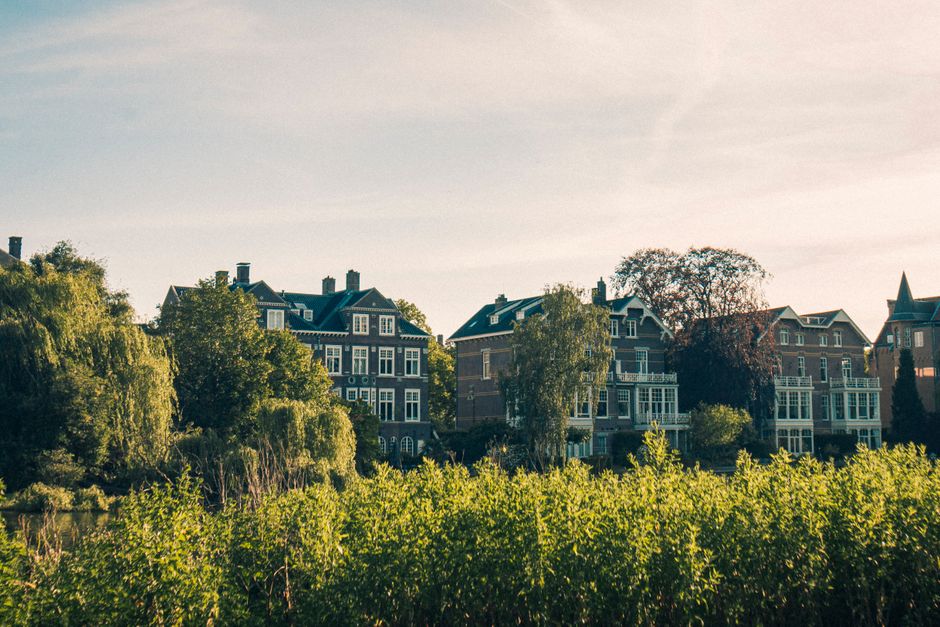
The Location: Vondelpark Side of Amsterdam

You’ll typically find:
- Plenty of cafés and late-opening supermarkets within easy reach
- Busy pedestrian routes on sunny days (Vondelpark draws crowds)
- A straightforward route to the city’s main transport nodes for longer trips
If you’re planning a museum-focused itinerary or day trips beyond Amsterdam, the neighbourhood layout helps: you’re close enough to public transport hubs that you’re not tied to walking only.
Neighbourhood feel
The area blends cultural sightseeing with residential streets. That usually means a more “city break” atmosphere than a party district hostel location. Still, it’s not silent—Amsterdam is Amsterdam.
Best for
This hostel is generally a fit for:
- Budget travellers who want social atmosphere
- Groups who are happy with shared spaces
- Solo travellers who want a central-enough base for museums and day trips
Dorms vs Private Rooms: What Changes in Practice

Dorm rooms (shared)
Dorms are a cost-friendly option, and they tend to attract travellers who are happy to be social in common areas. In a shared room, your sleep quality will depend on how people behave—things like lights-on time, late returns, and whether the room is well-used during your stay.
For dorms, you’ll usually want to check when booking:
- Whether beds have curtains/individual reading lights (if listed)
- How personal storage works (see the luggage section below)
- Whether the hostel offers quieter floor/room options (if you need that)
Private rooms (more privacy)
Private rooms are better if you want to switch off from the hostel rhythm—especially if you’re returning late from a day trip or an evening out. Even then, you’re still in a hostel building, so you’ll generally be sharing corridors and stairwells with other guests.
When comparing options, focus on the basics you actually notice day to day:
- Bed comfort and how “separate” the space feels
- Sound insulation between rooms
- Where your room sits relative to lift/stairs and common areas
Choosing based on your travel style
If you’re travelling for daytime activities and just need a practical place to sleep, dorms can be a good value. If you’re sensitive to noise or you’re working remotely for part of the trip, private rooms are usually the safer bet.
Noise Levels: What to Expect at Night
Noise in Amsterdam hostels isn’t only about the building—it’s also about where you are. Being near Vondelpark and Museumplein means normal city bustle, with occasional peaks from foot traffic and evening activity nearby.
Where noise tends to come from
Even if the hostel itself is managed well, expect possible sources like:
- People moving through corridors at night
- Door sounds and luggage wheels in shared areas
- External noise from nearby roads and busy walking routes
How to improve your odds of a good night
You can’t control other guests, but you can control what you bring and how you plan:
- If you’re a light sleeper, request a quieter room location when booking (ask what they can do)
- Bring earplugs; they’re a simple “Amsterdam city break” upgrade
- If you’re heading out late, keep your return timing realistic—midnight arrivals can mean more corridor noise
When it’s likely to be busier
Amsterdam’s most comfortable months can also mean more guests. During spring, summer, and major holiday periods, the hostel can feel more full, and shared spaces can be used later into the evening.
Luggage Storage and Day-Trip Logistics
Day trips are where storage options really matter. You’ll want to know you can drop bags before check-in or between tours.
Luggage storage at the hostel
Most hostels around this area operate with some combination of staffed storage (for bags) and lockable options (like lockers). For Safestay Amsterdam Vondelpark, treat luggage storage as something to confirm at booking:
- Whether storage is self-serve or desk-handled
- Whether you can leave larger items (roller bags)
- Any time limits or procedures for early/late arrivals
This is particularly important if you plan to arrive in the morning, then spend the day touring before your room is ready.
Practical day-trip strategy
If you’re planning a longer day out—whether that’s another Dutch city or a countryside stop—base your plan on how you’ll reach the main rail lines or airport connections. Amsterdam’s transport is good, but your day is smoother when you start with “bags sorted first, sightseeing second.”
What to pack for flexibility
For a day away from the hostel, focus on easy-carry essentials:
- A small day bag for documents, phone, and valuables
- A layer for evening cool-down (the weather can shift quickly even in warmer months)
- Comfortable walking shoes; this part of Amsterdam adds up fast on foot
Transit Access: Getting There and Leaving for Day Trips
One of the biggest advantages of this location is how well it connects you to Amsterdam’s transport network without feeling too far from the sights.
From the airport
You can usually reach central Amsterdam by airport train or airport-linked public transport, and then continue with trams/metros/buses depending on where you’re staying. From Safestay Amsterdam Vondelpark, the last stage is typically handled by tram or bus rather than a long walk.
Expect:
- A total journey that often sits in the “under an hour to around an hour” range depending on the exact connection you choose
- More reliable planning if you travel outside peak hours
Getting around Amsterdam
You’ll likely use trams and metros for most cross-city hops. The Museumplein/Vondelpark area is well connected, so you won’t need to rely on taxis except on truly late returns or when you’re carrying heavier luggage.
Day trips: the simplest route through Amsterdam
For trains out of Amsterdam, you normally route via the main rail station area. From there, day trips to places like Haarlem, Utrecht, or other Dutch hubs become straightforward.
To keep things easy:
- Build your day trip around the rail schedule from the main station
- Use the hostel’s location to your advantage by planning sightseeing in central-west Amsterdam in the “between trains” windows
What to Do Next
If you’re deciding between dorms and private rooms, match the choice to your sleep needs: dorms work best if you’re flexible, while private rooms are the safer call if you want quiet. Before booking, double-check the luggage storage options and what they can do for early check-in/late returns. Finally, review which tram/metro stop is closest for your itinerary so your day trips feel like part of the plan—not a chore.