


Shangri-La Sydney sits in a prime, central position by the harbour, aimed at travellers who want a high-comfort stay while still being able to step out for restaurants, galleries, cruises and daytime sightseeing. For many guests, the draw is the harbour-side setting—especially if you’re planning a mixed itinerary with early departures and late dinners.
This is an upper-upscale, full-service hotel rather than a boutique-only “wander and forget” kind of stay. That matters for your day-to-night planning: you can keep things simple at the property, but you’re also close enough to make spontaneous plans without a strict schedule.
Harbour-View Rooms: What “Convenience” Feels Like
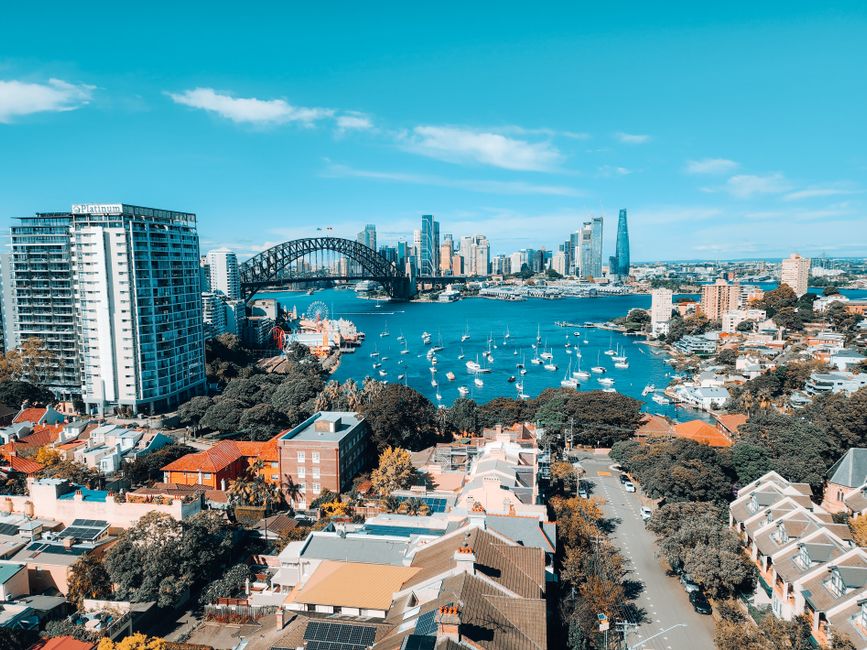
Harbour views: what to book (and what to check)
Harbour-view categories generally sound straightforward, but the details are where you’ll notice the difference.
When booking, look for:
- Room category explicitly mentioning harbour views
- Whether the view is partial or full (hotel descriptions can vary)
- The floor level you’re assigned to
If you care about brightness and framing, higher floors are usually the easiest way to avoid being visually blocked by nearby structures. If you’re focused more on calm, it can also help to avoid rooms directly adjacent to high-traffic areas.
Comfort that suits both work and downtime
Harbour-side hotels tend to attract business travellers and city-break guests alike, and Shangri-La Sydney fits that pattern. In day-to-day terms, you’re choosing a room that supports staying in—before you head out for dinner or before you start the morning commute-style sightseeing.
A few practical checks when you book:
- If you’re sensitive to street activity, choose a higher floor and confirm the room’s position away from lift cores
- If you’ll be returning late, prioritise room layouts that make it easy to reset quickly (storage, workable desk space, and sound insulation)
Room Quietness: Harbour Views Without the City Noise

What “quiet” usually means in this part of Sydney
For most travellers, “quiet enough to sleep” is the main test. Shangri-La Sydney’s harbour setting can include background movement from traffic, boats and general city hum—especially if you choose lower floors or rooms facing the most active sightlines.
What tends to help:
- Higher floors (less direct exposure to street-level sound)
- Rooms not directly beside lift lobbies or service corridors
- Better-performing windows, especially during breezier evenings
Light sleepers: the practical checklist
If you’re a light sleeper, it’s worth being intentional. The hotel can’t promise zero sound, but you can stack the odds in your favour.
Before you finalise a room, consider:
- Requesting a room away from lifts
- Asking for the quietest side if the hotel can accommodate it
- Packing a backup plan—earplugs are genuinely useful in CBD harbour areas
Also, bear in mind that noise can change by season and weather. A calm night can be very different from a windy one, even when the itinerary is the same.
Lifts, Check-In Flow, and Waiting Times
Nobody wants to add friction to a holiday day, so lift logistics matter—especially when you’re doing a “morning out, long afternoon, dinner later” pattern.
When lifts feel busiest
In full-service hotels like Shangri-La Sydney, lift demand usually peaks around predictable moments:
- Morning departures (around breakfast and check-out movements)
- Late afternoon returns (when people change from sightseeing mode to evening plans)
- Event-heavy periods in the harbour precinct
If you’re running between meetings, tours, or catching a cruise departure, you’ll feel those peaks more than you would in a quieter property.
How to minimise waiting in practice
You can’t control other guests, but you can control your timing and your habits.
To keep lift waits manageable:
- Use the main lift banks and avoid “random” floors during peak arrivals
- If you’re travelling with heavier bags and it’s a short hop, consider taking the stairs for 1–2 levels (only if it’s comfortable for you)
- Plan to enter and leave the lift core a little earlier than the strict time window
If your room is on a higher floor, you may still feel the wait more—so it’s worth requesting a room that minimises your need to pass through busy lobbies repeatedly.
Walkable for Day Trips and Evening Plans
One of Shangri-La Sydney’s biggest practical advantages is that you’re in a part of town built for walking. That’s ideal if your days aren’t fully booked and you like to adjust based on the weather.
Key places within comfortable walking distance
If you base yourself here, you can build a full day and still be back in time to get ready for dinner without planning every step.
Nearby favourites typically reached on foot include:
- Circular Quay
- The Rocks
- Sydney Opera House
- Sydney Harbour Bridge
- Barangaroo
- Darling Harbour
Even if you don’t do all of those in one day, having options like this reduces “logistics overhead”—especially on days when you want an early start and a late return.
Neighbourhood feel: busy, scenic, and well set up
This harbour-adjacent area has that classic Sydney rhythm: sightseeing and transport links in the daytime, plus dining and evening strolling. You’ll likely find plenty to do around you, but it’s not the kind of neighbourhood where you go quiet and stay quiet.
For mixed day/night plans, that’s a benefit. You can step out for:
- daylight harbour views and heritage streets
- a relaxed dinner walk afterwards
Just keep expectations realistic: if you’re aiming for total isolation, a central harbour location won’t deliver it.
Next Steps: How to Choose the Right Room
Start with your priorities: if harbour views are the headline, book a category that clearly states harbour-facing or harbour-view details, and aim for a higher floor for a better chance at both light and calmer sleep. If quiet is non-negotiable, ask the hotel (at booking) about being away from lift areas and confirm the room’s positioning before arrival.
Once you’ve chosen the room, plan your days around walkability—build one anchored activity near Circular Quay, then leave room for evening wandering without needing a car or constant transport bookings.