

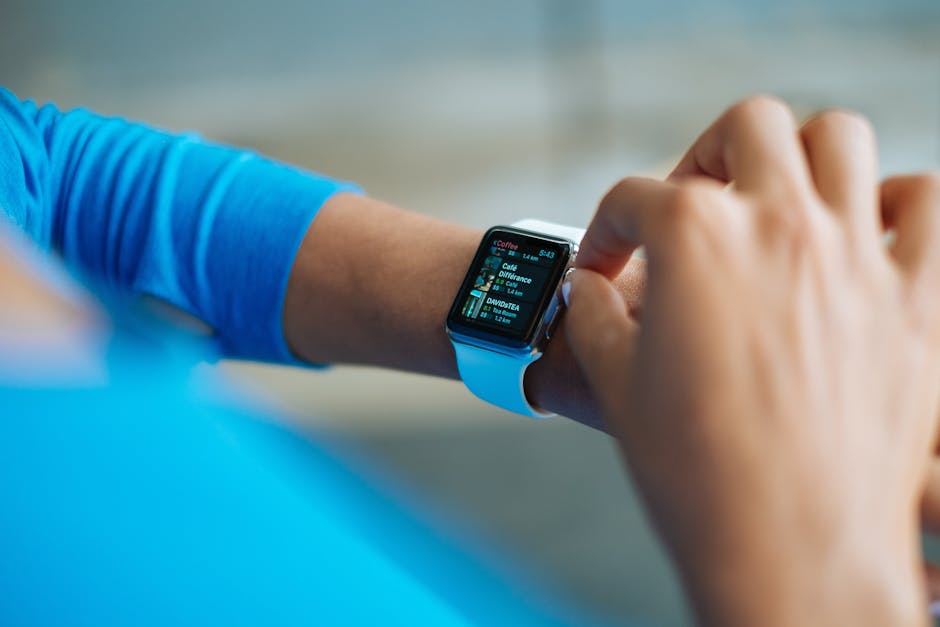
Smartwatches and fitness trackers are small, expensive, and easy to misplace—so it’s normal to wonder whether travel insurance will help if they’re stolen or accidentally damaged. Coverage varies a lot by insurer and by policy type (especially whether you add “accidental damage” and how you’re allowed to store the device).
If you’re comparing plans, focus on the policy wording for portable electronics, personal possessions/valuables, and theft conditions. That’s where most surprises—and most denials—happen.
How Insurers Classify Smartwatches and Fitness Trackers
Valuables vs personal possessions
Most travel insurance policies treat a smartwatch as a personal item or as part of “personal possessions” (sometimes it’s grouped with phones/tablets). That classification matters because valuables often come with tighter limits and stricter rules.
Single-item limits and device categories
Even when theft is covered, the insurer may cap the amount you can claim for “one item,” and some policies set separate limits for specific categories (for example, mobile phones and computers). Your smartwatch may be treated like one of those categories, or it may fall under a general personal possessions limit.
What “portable electronics” usually means in practice
If the policy specifically mentions portable electronics, it’s usually the best sign that theft and accidental damage are handled in the same section as similar gadgets. If it doesn’t mention smartwatches at all, you’ll want to check whether your device is still covered under possessions and accidental damage terms.
What’s Typically Covered for Theft and Accidental Damage
Accidental damage when you have the right cover
The most common pattern is: theft is covered under personal possessions (subject to limits and security rules), while accidental damage is covered only if you bought that extra section or a comprehensive policy that includes it.
Theft while you’re travelling
Theft claims are usually possible when the policy covers theft of personal possessions. However, the details depend on whether the device was on you, in your bag, or left somewhere unattended.
Optional add-ons that sometimes make claims easier
Some insurers offer extra electronics coverage that increases limits or simplifies the way they treat certain gadgets. That can be useful if your model is relatively costly.
- Accidental damage to the device (if your policy includes accidental damage cover)
- Theft of the device while you’re travelling (subject to policy conditions)
- Damage from events like knocks, drops, or impacts (when accidental damage is included)
- Loss of the device only in certain scenarios (often treated separately from theft or excluded altogether)
Exclusions and Common Grey Areas
Wear and tear, scratches, and battery ageing
Policies commonly exclude gradual deterioration and maintenance-related issues—think hairline scratches, worn bands, fading, or battery performance over time. If the wording says “wear and tear,” “gradual deterioration,” or “mechanical breakdown,” it may not treat those the way you expect.
Unattended theft and security requirements
If the policy requires you to keep the device in a secure place, leaving it in a hotel room when you’re out (or leaving it in a vehicle) can weaken a claim. Some policies also treat theft from a bag that wasn’t properly secured more harshly.
Sports activities and “high-risk” behaviour
Smartwatches and trackers are often used during swimming, running, cycling, and gym sessions—but coverage can still hinge on what the insurer considers an activity-related risk. Check whether the policy excludes certain high-risk sports, and whether “water activities” have special conditions.
Limits You Should Check Before You Buy
How much per item and how much per trip
Even when smartwatch theft is covered, the payout can be limited by the lowest relevant cap in your policy. You might have:
- a general personal possessions limit,
- a separate “valuables” limit,
- and a per-item cap (especially for electronics).
If your device is priced toward the top end of what the policy considers “reasonable,” it’s worth comparing how close you’ll be to those caps.
Excess (deductible) and how it affects small claims
The excess you pay can make smaller claims uneconomical. Before you buy, check whether the excess is the same for theft and accidental damage or if different sections have different deductibles.
Receipts, proof of ownership, and how strict they are
Insurers may ask for proof of purchase and/or a serial number. If you don’t have a receipt (or you bought it as part of a bundle), you may still be able to provide order confirmation or another form of purchase proof, but it depends on the insurer.
- Per-item limit for “one item” (so your smartwatch isn’t capped too low)
- Separate limits for mobile phones/electronics/“portable devices”
- Whether accidental damage is included automatically or needs an add-on
- Policy excess for theft vs accidental damage (and whether it makes claims uneconomical)
- Security requirements for theft (how and where you’re allowed to carry/store it)
- Proof-of-purchase rules (what documentation they expect for electronics)
How to File a Claim If Your Device Is Stolen or Damaged
What to document right away
When theft or damage happens, keep everything you can that supports the claim: photos of the damage if it’s not obvious, the original packaging if you have it, and any proof of purchase. If the device was stolen, write down what you remember about the circumstances (where you were, when it happened, and what it was last seen doing/where it was last kept).
When to report theft
Many policies require you to report theft as soon as reasonably possible and provide a reference number or written report. If you delay, the insurer may argue the circumstances can’t be verified.
Resetting devices and dealing with data
Smartwatches and trackers are personal devices with data attached to your account. Before you replace anything, make sure you can access your account on another device and remove or unlink the tracker. This doesn’t replace insurance documentation—but it helps prevent someone else accessing your profile.
Next Steps Before You Travel
Before you buy a policy, locate the sections for personal possessions/valuables and accidental damage, then read the specific wording for portable electronics and theft conditions. If anything is unclear, ask the insurer to confirm how they treat smartwatches and whether your accidental damage cover includes dropped or impact damage.
Once you’re confident about the limits and excess, keep your purchase proof somewhere easy to find during the trip, because that’s often what makes the difference between a smooth claim and a drawn-out one.