

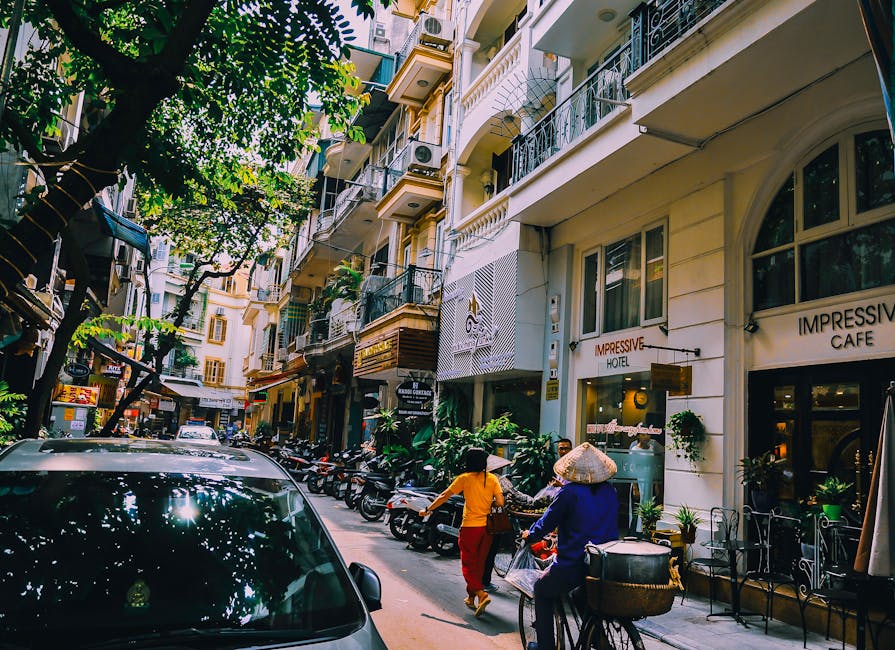
A Classic Address in Hanoi’s French Quarter
Sofitel Legend Metropole Hanoi sits in the French Quarter, a short walk from Hoan Kiem Lake and the older streets that most visitors use as a base. The property’s appeal is less about modern “wow” and more about a grand, heritage feel—tall ceilings, traditional styling, and public spaces designed for lingering.
What you’ll notice first
You’ll typically see a formal lobby atmosphere with a calmer pace than the busiest lanes of the Old Quarter. That can be a relief if you’re arriving from the bustle of Hanoi traffic and want a softer landing before heading out.
Who this hotel suits
This is a strong fit if you want:
- A heritage-style hotel in a central walkable pocket
- A full-service stay where daily comfort matters more than minimalist design
- Easy access to sights you can reach on foot, especially in the cooler parts of the day
Value to expect
Compared with newer business hotels, you should expect to pay a premium for the building, service style, and location. The best “value” usually comes when you can match room category to your trip length—longer stays benefit from larger rooms and calmer corners.
Rooms: Layouts, Comfort, and Sleep Quality
Rooms in this kind of heritage hotel tend to focus on comfort and character rather than cutting-edge space efficiency. Before booking, pay attention to two things: room size versus price, and the specific room location within the building.
Room types you’ll commonly find
You’ll typically choose between categories like these:
- Deluxe Room
- Superior Room
- Junior Suite
- Grand Suite
Each category is designed for a different travel style. Deluxe and Superior rooms are often best for couples who mostly sleep and refresh between outings. Junior Suites and Grand Suites are the better call if you’re working remotely, travelling with a little more luggage, or simply want more breathing space.
Comfort details that matter day to day
When you’re planning your stay, look closely at the practical basics:
- Bed comfort and duvet weight (especially if you’re travelling in cooler months)
- Bathroom setup and storage (her e, older layouts can vary by room)
- Desk space and lighting if you plan to read or work in your room
Heritage properties also vary in how “quiet” a room feels. If you’re sensitive to noise, request a room location that avoids the most active corridors and higher-traffic public areas.
Views and room character
Rooms facing internal or quieter sides usually feel more relaxing. City-facing options can be appealing, but in Hanoi the street sound can be noticeable—particularly in the late evening when foot traffic and scooters pick up.
Room Service and On-Site Dining
Room service is usually a key reason to stay in a full-service hotel, and Sofitel Legend Metropole Hanoi is positioned for exactly that kind of convenience. You can expect a standard hotel process: ordering through an in-room menu or direct contact, with food delivered to your room.
Room service basics
For planning, it helps to know what to focus on:
- What you can order (a mix of familiar dishes and hotel-style classics)
- How the service is delivered (packaging and timing vary by demand)
- Whether you can request simple adjustments (for example, lighter preparation)
If you’re travelling with children or you want an early night after sightseeing, room service can be the easiest option—especially when it’s raining or when the evening crowds make dining reservations feel like a hassle.
Breakfast style and late-morning timing
Breakfast can set the tone for the day. In hotels like this, breakfast is typically organised with a mix of hot items and buffet-style selection. If you prefer a quieter start, plan the timing around your own energy level—Hanoi’s mornings can be pleasant, but popular breakfast slots can feel busy.
Choosing between in-house restaurants and the street
Because the hotel is central, you’ll face an easy decision each day: dine inside for consistent service, or step out for Hanoi’s street-food and casual restaurants. For a smooth rhythm, it’s worth keeping one “easy night” in your schedule for in-house dining and using the rest of your evenings to explore.
Neighborhood Access: Walkability, Roads, and Key Landmarks
This is one of the biggest advantages of staying here. The location in the French Quarter makes it straightforward to reach major sights without constantly relying on transport.
What’s walkable from the hotel
If you’re planning to do a lot on foot, you’ll likely head toward these:
- Hoan Kiem Lake
- Ngoc Son Temple
- Old Quarter walking streets and lanes
- Hanoi Opera House area
- French Quarter cafés, shops, and museums
In practice, you’re balancing pleasant walking routes with occasional road crossings and scooter-heavy intersections. Still, for a first trip to Hanoi, the ability to walk out directly toward landmark areas is a genuine time-saver.
Getting around once you’re out
Hanoi’s streets can be hectic. For shorter trips, you’ll usually choose between:
- Taxi or ride-hailing for point-to-point travel
- Short walks for routes where roads are calmer
- Occasional longer transfers to avoid spending time in traffic
If you’re going out at night, build a little extra buffer into your schedule. Even when the distance is short, travel time can swing based on traffic and where you’re starting from.
Airport and longer transfers
From the city centre, airport transfers tend to be easiest when you plan a direct route rather than trying to weave through busier roads. Booking a reliable transfer for arrival and departure is often the least stressful approach—especially if you land during peak traffic hours.
Practical Stay Tips for Booking and Day-to-Day Comfort
Sofitel Legend Metropole Hanoi is the kind of hotel where small details can make a noticeable difference.
Noise, room placement, and comfort expectations
Because this is a central base, request the quietest option you can based on your room category. Quiet rooms are usually your best bet if you’re planning early mornings or if you’re sensitive to street noise.
Service style: what to ask in advance
Before you arrive, consider confirming:
- Whether room service delivery times match your planned sightseeing rhythm
- How any special requests are handled (allergies, dietary preferences, or timing for early mornings)
If you’re planning an in-room working setup, ask about desk comfort and power access before committing to a specific room category.
How to judge whether it’s worth it
This hotel can feel expensive if you only need a place to sleep. It tends to feel more worthwhile when you’ll use:
- In-room comfort for downtime
- Room service for simplicity
- The central base for walking and quick sightseeing
If you’re trying to keep costs down, focus on matching the room category to your actual time indoors—Junior Suites and Grand Suites are best when you’ll spend more evenings at the hotel.
Next Steps
To plan your stay smoothly, shortlist the room categories you’re considering and prioritise quiet room placement if you’re a light sleeper. Then match your daily schedule—one or two in-room or in-house meals for convenience, with the rest of your evenings in the French Quarter and Old Quarter—so the location works for your trip rather than against it.