


Darling Harbour location: walkable and ferry-friendly
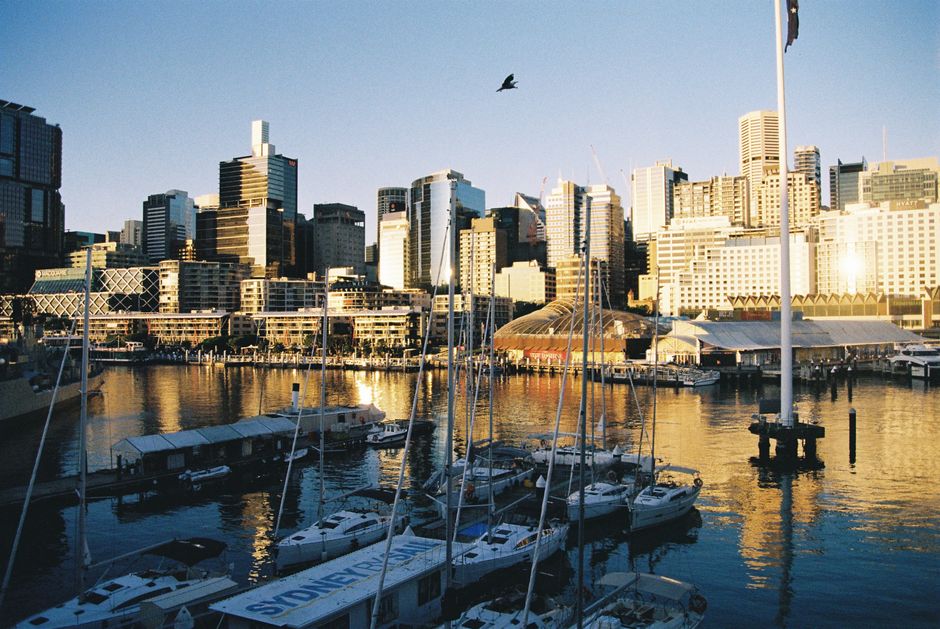
What’s nearby on the waterfront
You’re within easy reach of a cluster of headline sights and activities around the Darling Harbour edge:
- SEA LIFE Sydney Aquarium
- Australian National Maritime Museum
- Harbourside shopping and dining
- Cockle Bay Wharf (waterfront promenade and ferry departures)
- International Convention Centre precinct
- Darling Harbour’s main event areas and public spaces
The vibe around the hotel
Darling Harbour can feel lively even on “regular” weekdays, and it ramps up around major events and school holiday periods. Expect that the area looks and feels active in the evening—great for browsing and quick meals—while daytime is typically more about walking, sightseeing, and ferry access.
Rooms and beds: what to expect (and how to choose)

Couples: request the quietest orientation
For couples, the key decision is often bed setup and room placement. When booking, look for:
- King-bed versus twin arrangements (king tends to suit couples best)
- Higher floors if you’re sensitive to street and walkway activity
- Room orientation (if you can choose) to avoid the noisiest edges of the precinct
If you’re planning to sleep with the curtains open for harbour light, higher floors can also make a difference to how much late-night movement filters in.
Families: space, bed configuration, and extra arrangements
For families, the most useful filters tend to be practical: whether the room can accommodate children comfortably without feeling cramped, and how beds are arranged.
When comparing room categories, check for:
- Twin rooms or family-friendly bed setups (rather than one large bed)
- Whether extra-person options are available for the dates you’re travelling
- The possibility of connecting rooms (if you’re travelling with kids and want an easier routine)
Even if a room is listed as suitable for “up to X guests,” it’s worth confirming what “extra” means for your age group—some configurations add an additional bed or sofa setup that can change how usable the room feels.
Noise and sleep quality: what to plan for
Darling Harbour is not the quietest pocket of Sydney. The waterfront promenade, nearby attractions, and evening crowd flow can translate into occasional background noise—especially if you get a room that faces busier pedestrian routes.
When the hotel area feels loud
Noise tends to cluster around:
- Late evenings when people are leaving attractions and heading between venues
- Event days (conventions and major public gatherings)
- Periods when tour groups and ferry departures stack up
During daytime sightseeing hours, the soundscape is usually more manageable, but it can still be active—think footsteps, traffic at nearby streets, and general harbour precinct ambience.
How to ask for the quietest room
If sleep quality matters, build your request around likely sources of noise rather than hoping for a “quiet” room by default.
When booking or contacting the property, consider asking:
- For a higher floor
- For a room away from the most active pedestrian entrances and ground-level walkways
- Whether there are any known maintenance or refurbishment activities during your dates (these can be schedule-dependent)
If you’re a light sleeper, it’s also worth packing earplugs—Darling Harbour stays lively, and even the best-located rooms can’t make the precinct silent.
Transport access: reaching the harbour, CBD and beyond
One of the strongest reasons to stay around Darling Harbour is how quickly you can connect to the rest of Sydney. The area is designed for walking between attractions, and it’s also well served by public transport.
Walking, ride-shares and short hops
From the hotel area, many harbour-side attractions and waterfront promenades are reachable on foot. For errands, quick meals, and getting to ferry boarding points, short walks are usually part of the experience.
For longer journeys, ride-shares can be convenient, but traffic can slow things down at peak times—especially on event nights when the precinct is busy.
Trains and ferries from the Darling Harbour area
You’ll typically find it easiest to move around Sydney using a combination of:
- Ferries from the Darling Harbour/Cockle Bay side (helpful for harbour crossings and waterfront routes)
- Public transport connections in the CBD and nearby interchange points for inland destinations
Because stations and preferred routes can vary depending on where your sightseeing list sits, check your exact itinerary once travel dates are set. That way, you can align your daily plans with the most efficient walking-to-transit pattern.
Who it suits (and what to book ahead)
Sofitel Sydney Darling Harbour suits travellers who want an upscale, central base with harbour access—particularly couples and families who like staying close to attractions and prefer not to spend every day commuting.
Couples versus families: the practical fit
- Couples: Best when you prioritise a stylish base, walkable evenings, and a room setup with a king bed (or the quietest available placement).
- Families: Best when you confirm bed configuration and extra-person options for your kids’ ages, and consider connecting rooms if mornings and bedtime schedules are tight.
If you’re travelling with very young children and a strict routine, the lively neighbourhood may be the trade-off to accept—especially on weekends or during school holidays.
What to check before you book
To avoid disappointment, check these booking details rather than relying on “vibe” alone:
- The bed type and whether it matches your group (king vs twin)
- Room capacity and what “extra guest” arrangements look like
- Whether you can request a quieter, higher-floor room
- Any date-specific event calendar impacts (these can affect crowding and late-night ambience)
If harbour-facing rooms are important to you, confirm what the view covers in your category when booking, since “harbour view” can mean different things across room designs.
What to do next
If you’re comparing hotels in the Darling Harbour/Cockle Bay area, shortlist based on bed setup and the likelihood of late-night noise for your dates. Then message the property with a clear request for a higher floor and a quieter orientation before you arrive—especially if you’re travelling as a couple or with children on a tight sleep schedule.