

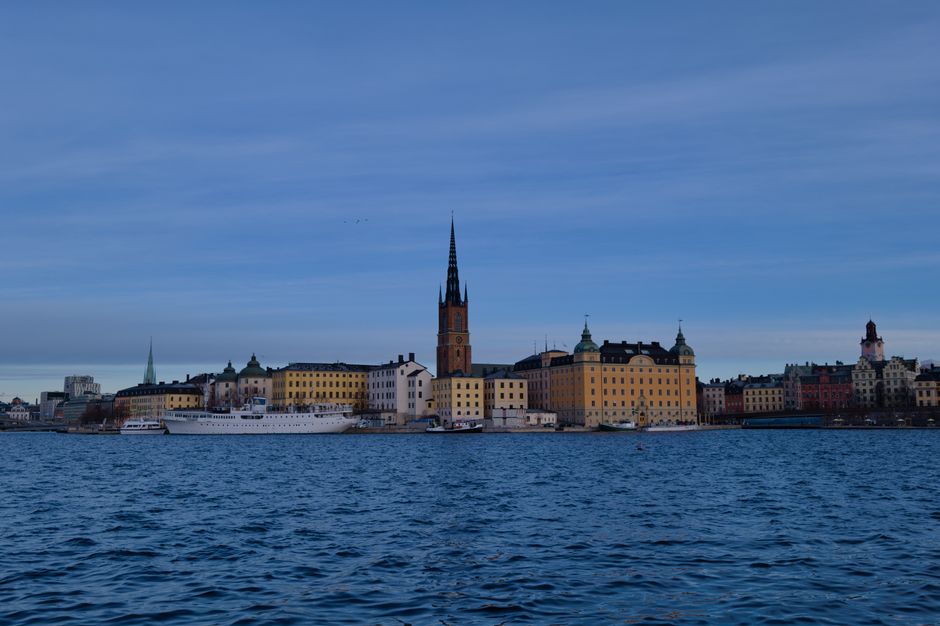
If you’re searching for a Stockholm hotel near Södermalm with walkable waterfront access, you’ll quickly find that the area is all about routes: what you can reach on foot, how steep the streets feel, and whether you’ll rely on trams, buses or ferries on most days. Below is a practical way to “audit” the exact hotel listing and its surroundings—so you can book with your day-to-day in mind.
Because waterfront access can mean different things block-to-block, treat this as the review-style checklist you should apply to the specific property you’re considering: what to look for in the location, what to verify for breakfast, and the day plan that makes the most of the nearby water.
Transit Links: Why This Part of Södermalm Can Work Well

Walkable connections vs. “one-stop” rides
When you’re looking at the map, you’re aiming for one of two patterns:
- Easy walk to a major stop (metro, tram, or a major bus corridor), so you can run errands without planning every leg.
- Short ride to shorten uphill walks, then back to waterfront strolling on calmer streets.
If the hotel is technically near Södermalm but requires multiple uphill streets to reach a main stop, you may end up using taxis or rides more often than you expect—especially after a long day out.
Ferries and the “water-first” route
For true waterfront time, ferries are often the difference between “pretty views” and “a plan.” From Södermalm, you’ll typically be able to build an itinerary around:
- A short walk to a ferry stop (when it’s close)
- A ride that keeps you off buses (when weather is mild)
To check fit before booking, compare your preferred day activities with how long it takes you to walk from the hotel to the nearest ferry stop and from the ferry back to your next stop.
How to judge whether the commute is realistic
Instead of only looking at line names, time the route in both directions:
- Morning check: are you walking uphill before your first transport?
- Evening check: do you end up climbing back to your room after dinner or sightseeing?
If you’re planning a mix of waterfront walks and city sights, a hotel that’s “close” but uphill can cost you energy you’ll wish you had for the evening.
Hills, Steps, and Side Streets: The Real Effort Factor

What to watch for in the route to the water
When you check directions from your prospective hotel to the waterfront, look for:
- Steps and staircases (especially if you plan to carry a bag or shop)
- Short but steep streets (these add up across a day)
- Long detours around building blocks (where the straight-line walk isn’t the actual pedestrian route)
If the listing mentions “near the waterfront,” confirm whether that means a level promenade or a viewpoint walk that turns into stairs.
Strollers, luggage, and mobility needs
If you’re travelling with anyone who needs step-free routes or you’re carrying luggage between transport stops, test this before you book:
- Can you reach the nearest main stop without stair-only segments?
- Is the path from hotel to waterfront walkable after dark and without repeated steep climbs?
For many travellers, it’s not the first hill that matters—it’s the fact that you may climb the same steep route every morning and night.
Weather makes the difference
In winter, snow and ice can make steep streets and steps feel harsher than they do on a map. If you’re travelling in colder months, your best bet is a hotel where the main route between transport and the waterfront is as direct as possible, with fewer “stairs-only” segments.
Breakfast Quality: How to Tell If It’s Worth Your Morning
Most near-waterfront hotels in Stockholm know that breakfast is the daily anchor, but quality varies. Since you can’t rely on marketing copy alone, use a short “evidence check” when you’re comparing options.
What good breakfast signals look like
When you read the hotel description and guest feedback, prioritise details that suggest consistency rather than variety for variety’s sake:
- Bread and pastries (freshness cues, not just “many options”)
- Hot items offered consistently (not only limited time windows)
- A spread that fits both light and fuller eaters
If breakfast is described only in broad terms, or if the hotel repeatedly gets complaints about long queues or empty pans, treat it as a risk—especially on busy weekdays.
Queue and timing problems
A breakfast room can be charming and still frustrating. Look for patterns in reviews about:
- Crowding at peak times (often late morning)
- Slow restocking
- Limited seating
If you enjoy a relaxed morning, you’ll want a hotel where breakfast doesn’t turn into a waiting game.
Best morning strategy from this area
For a waterfront day, breakfast timing matters. A common winning approach here is:
- Eat breakfast at a time that still leaves you sunlight and energy for a morning walk.
- If you plan to do viewpoints or longer waterfront stretches, avoid the rush window.
Even if the breakfast spread is excellent, your day will feel better if you’re not rushing to catch every transport connection.
Best “Day Plan” From a Södermalm Waterfront Location
You’ll get the most out of this part of Stockholm when your plan alternates between water and neighbourhood streets—so you don’t spend your whole day on transport.
Day plan: water first, then city sights
Start with a short waterfront loop to settle in:
- Morning waterfront walk along the waterline (aim for low-traffic paths)
- Break for coffee or a quick bakery stop near your walking route
- Climb to viewpoints or a landmark area if your route naturally supports it
Then move inland for sights and shopping, and finish back toward the water for your evening stroll.
Day plan: ferry-assisted sightseeing
If you want to minimise bus and tram time, use the ferry as a “connector.” A smooth pattern is:
- Ferry ride to a nearby attraction area
- Short transit to the next highlight
- Return to Södermalm for dinner and a final waterfront walk
This works best when your hotel is within an easy walk of your planned ferry stop.
Where you’ll feel the “best fit” of the hotel location
A near-Södermalm waterfront hotel is at its best when you can do both:
- Walk to the water in under ~15–25 minutes for a casual loop
- Reach major transit in about ~10–20 minutes when you need to cover more ground
Don’t assume those times hold—check your exact walking route from the hotel pin on a map.
What’s Nearby (Walkable Stops to Build Into Your Schedule)
Even without knowing the hotel’s exact front door location, Södermalm waterfront access usually puts you within reach of several core “day components.” Here are the kinds of stops that shape how you’ll plan your time:
- Söder Mälarstrand waterfront promenade
- Slussen transport area
- Katarinahissen (viewpoint lift area)
- Ferry connections from Södermalm
- Eriksdalsbadet area and waterfront grounds
- Local Södermalm streets with cafés and small shops
- Riddarholmen and the Old Town side across the water
As you compare hotels, pick the 2–3 of these that match your travel style, then sanity-check the walking time and hill/stairs effort between your hotel and those points.
Final Thoughts: Your Next Step to Book Confidently
If you share the exact hotel name (or the neighbourhood cross-street), the checklist can be tightened into a true review focused on its specific transit access, the real walking route to the water, and how breakfast is likely to feel at your target times. For now, use the route timing and breakfast evidence checks above—those two factors usually make the biggest difference in day-to-day comfort.