


The Art Hotel Porto Miragaia: Where It Sits
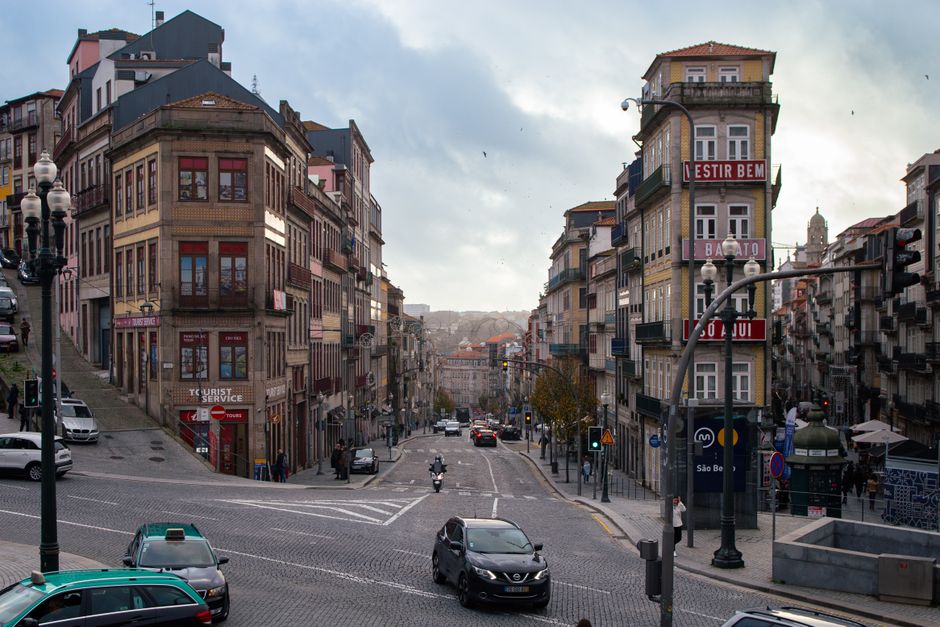
A neighbourhood built for walking (and hills)
Expect cobbled streets, slopes, and stairs in places. That can be a plus if you like “arrive and explore” travel, but it also matters for your daily routine—especially if you’re carrying a day bag or plan to return later in the evening.
How close you are to the river
From Miragaia, getting to the Douro typically involves descending toward the waterfront, then walking along the quay. The key advantage is that once you’re down at the river level, you can link several sights together on foot.
What’s nearby beyond the river
You’ll also find:
- Central Porto streets and local cafés within a short walk
- Easy access to other inner-city sights if you’re comfortable with steep, old-town routes
Rooms and Sleep Quality for Light Sleepers

Room layout: where the light (and noise) can reach
When booking, look for details that affect sleep quality:
- Window position and orientation (street-facing rooms can pick up more evening ambience)
- Bed placement relative to windows and doors (you’ll notice light and movement more when the bed is close to them)
- Sightlines to hallways or stair landings (rooms near circulation areas can feel busier)
If the hotel offers room types with different orientations, it’s worth prioritising what’s described as quieter rather than choosing purely on size or view.
Noise risk: what to watch for in Miragaia
Miragaia sits in the wider historic centre, where noise tends to cluster around:
- Evening footfall on nearby streets
- Any late restaurant activity and spillover conversation
- Deliveries and general street movement
Even when a hotel is well run, older buildings can transmit sound more easily than modern blocks. That’s why “noise” often comes down to your room placement.
What to request before you arrive
If you’re travelling as a light sleeper, ask in advance about:
- A quieter room location (often “away from the street” or “top floors,” if available)
- Double-checking whether your room is near elevators, staircases, or high-traffic corridors
- Any options to reduce sound transfer (for example, room categories that specify quieter positioning)
Bringing basic earplugs can also be a practical safety net in Porto’s historic areas, even when you’ve booked carefully.
Car-Free Walks to the Douro Waterfront Stops
The easiest approach is to make the Douro your “main line.” Walk downhill from Miragaia to the river level, then follow the waterfront for successive stops. This keeps logistics simple and avoids relying on taxis for short distances.
The simplest walking loop: down to the quay, then along the river
Once you’re at river level, you can stitch together multiple sights without backtracking too much. Most of the time, you’ll be swapping steep downhill for gentler flat or mildly sloped walking.
Key waterfront stops you can reach on foot
Below are the most practical river-oriented targets from a Miragaia base—good for sunrise photos, an afternoon stroll, or an evening before dinner:
- Ribeira waterfront promenade
- Cais da Ribeira river piers (useful for checking cruise departures)
- Dom Luís I Bridge viewpoints from the riverbank
- Douro River cruise departure areas near Ribeira
- Ponte Maria Pia riverside views
- Jardim do Morro viewpoint for an elevated look back toward the river
Walking times to expect (roughly)
Times vary with your pace and whether you take steps or longer, gentler routes, but a sensible rule of thumb is:
- Ribeira and the piers: often around 10–20 minutes walking downhill
- Bridge viewpoints: commonly 15–30 minutes depending on where you stop
- Maria Pia and Jardim do Morro: more like 25–45 minutes because you’ll be mixing longer routes with elevation
If you’re planning to cover several stops in one day, aim for an earlier start—Porto’s waterfront can get busy, especially around peak cruise hours.
Noise and Movement Around the Hotel Area
You can’t always predict exact sound levels, but you can plan to minimise surprises. In Miragaia, it’s the pattern of movement—when people come out, not just how loud it is—that affects your sleep.
Evenings: footfall and conversation carry
Historic neighbourhood streets often sound lively after dark. If your room faces an active street, you may notice:
- Conversation and laughter ebbing and flowing through the night
- Occasional vehicle passes on narrower lanes
If you’re aiming for early mornings, prioritise quiet-room requests and consider a “buffer” strategy: keep windows closed when streets feel busy.
Morning: deliveries and general street activity
Later mornings tend to be calmer than evenings, but you can still catch occasional background noise such as:
- Street cleaning or early deliveries
- People heading to breakfast and the day’s first activities
This is usually less disruptive than night-time bustle, but light sleepers may still notice it if their room picks up street-facing sound.
Best choices for a quieter stay
Without assuming every room behaves the same way, you can stack the odds by:
- Choosing the highest room category you can (sound can travel differently on upper floors)
- Avoiding rooms that appear closest to stairwells or main corridors
- Requesting a room positioned away from the street when that option exists
On arrival, check how the room performs: close the windows and listen for outside ambience. If it feels too active, it’s often worth asking the front desk about quiet swaps while availability remains.
Getting There and Booking Smart for River Walks
Because the hotel is in a walk-first area, you’ll get the most out of the stay by building your plan around feet rather than cars.
Arriving without a car
Most travellers reach Porto’s historic centre without driving all the way in. From the airport, the simplest approach is usually public transport to a central hub, then a short walk or a quick taxi hop to the hotel.
From the train side, walking from major central stations is often realistic if you’re comfortable with stairs and slopes.
Parking and driving trade-offs
If you do plan to drive, budget time for:
- Limited central parking availability
- Navigating steep, narrow streets
For a short river-focused stay, it’s often easier to park outside the most congested streets and walk the rest.
What to check when booking
When you’re booking with noise and layout in mind, check the most practical details rather than marketing descriptions:
- Whether the room is street-facing or positioned more internally
- The presence and type of sound insulation described (if any)
- The bed placement relative to the window and any hallway side
If the hotel offers flexible room options, it’s worth paying attention to “quieter” categories even if the difference in price varies.
Next Steps: Booking for a Quiet, River-Ready Stay
If the Douro waterfront walkability is the priority, Miragaia is a strong base—just book with sleep quality in mind. When you contact the hotel, ask for the quietest room option available and clarify whether your room is street-facing or closer to corridors. Then build your daily route around one “river line” stroll so you’re not constantly moving in and out of steep old-town streets.