

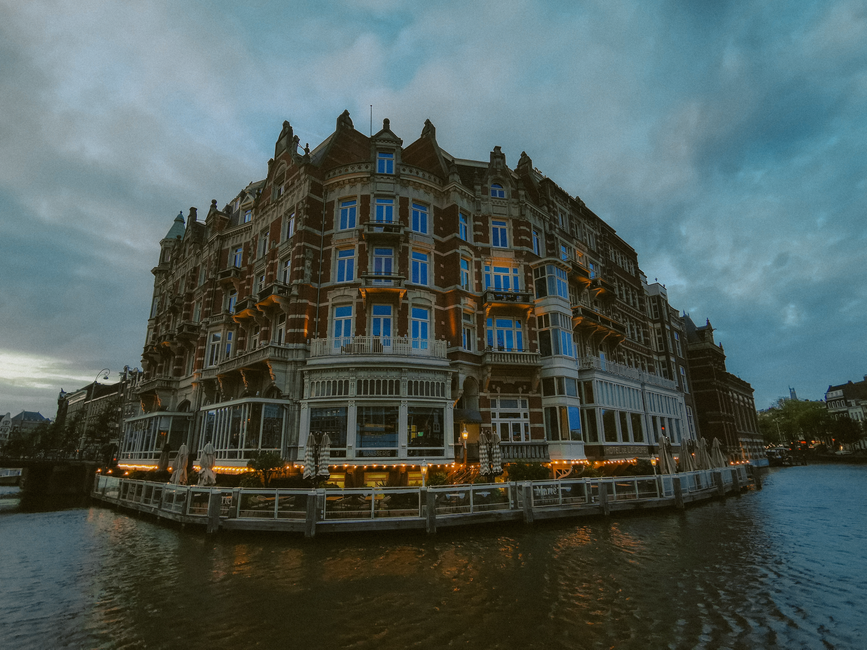
The Hoxton is aimed at travellers who want a design-forward base without paying for ultra-luxury—especially if you plan to spend most of your time walking. In Amsterdam’s Canal Ring, that matters: the location is a big part of the appeal, and it also shapes the kind of noise you may notice.
Rooms And Layout: What You’ll Actually Use Daily

When you book, treat room category and view as part of your comfort plan. If you’re travelling with a partner, double-check whether the bed arrangement is set up so both sides have easy access (helpful for luggage living space). If you’re travelling solo, prioritise a layout that lets you open bags without blocking the bathroom door.
Bathrooms, storage, and where things live
In older European canal-ring buildings, bathrooms and storage often follow the building’s shape. You can typically expect a modern finish inside a compact footprint, with storage that’s meant for everyday use rather than long-term wardrobe dumps.
Practical things to check when booking:
- Whether the room has a full-height wardrobe or a mix of open hooks and drawers
- How the bathroom door opens (and whether it swings into the room)
- If there’s a proper luggage-placing spot near the bed or under the desk
This is the kind of hotel where being deliberate about what you pack helps—especially if you’re bringing larger suitcases.
Soundproofing And Noise: Side- And Floor-Smart Choices

Street-side vs canal-side expectations
In Amsterdam, street-facing rooms can pick up a mix of daytime movement (deliveries, passing pedestrians, occasional bikes) and night-time ambience (people chatting outside, vehicles, and intermittent late-night activity depending on the block). Canal-facing rooms can feel different: you may hear fewer “street bursts,” but footsteps, doors, and water-adjacent activity can still carry.
If you’re sensitive to noise, don’t just rely on the idea of “better soundproofing.” Choose the direction that suits your tolerance:
- Street-side: more likely to capture intermittent street activity
- Canal-side: sometimes calmer in the sense of fewer traffic noises, but still not guaranteed silent
What changes by floor
Higher floors usually help with perceived noise intensity because you’re further from street-level sounds and people passing outside windows. On lower floors, you’re more exposed to details—talking outside, doors closing nearby, and occasional “outdoor gathering” moments.
A practical rule of thumb for planning your request:
- If you want the quietest option, bias toward a higher floor
- If you’re okay with background city noise but not loud interruptions, a mid-level floor often hits the balance
For light sleepers: how to book smarter
If sleep is a priority, you’ll want to manage expectations before you arrive. Even with good building standards, canal-ring Amsterdam is not the “quiet countryside” style of destination.
Two booking moves that tend to matter:
- Ask for the quietest available room category for your dates (and mention you’re a light sleeper)
- Avoid assuming that “a nice view” automatically means “a quieter room”
If you regularly use earplugs when travelling, it’s still worth bringing them—especially in older canal areas where sound can travel through the street canyon and internal stairwells.
Breakfast Value: A Convenient Amsterdam Start
What breakfast typically feels like here
Breakfast at city hotels like this is usually built around a self-serve buffet format rather than a long, plated service experience. Expect a mix of hot items, breads/pastries, and common add-ons that work for both early risers and travellers who want something more substantial before museums.
Because Amsterdam breakfasts can be pricey when you book à la carte, the “value” question often comes down to whether your rate includes breakfast.
When it’s worth paying for (and when it isn’t)
Breakfast value is most compelling when:
- Your room rate includes it, or it’s priced close enough to make it not worth shopping around
- You want a no-planning start (minimal walking before your first stop)
It may be less compelling when:
- You’re aiming for a budget morning and prefer a bakery breakfast elsewhere
- Your schedule starts very early and you’re already planning to eat on the go
If you’re comparing options, treat breakfast as part of your overall walking day: eating at the hotel can simplify mornings, but it can also be the most expensive meal of the day if you’re paying extra and you’re staying in a neighbourhood full of bakeries.
Walkability For Museums And Canal-Ring Strolls
One of The Hoxton’s biggest strengths is that you can turn this into a walking city trip. In the Canal Ring, many of the most iconic sights aren’t “around the corner” in the sense of 5 minutes—but they are often reachable in a realistic 15–30 minute walk, depending on your pace and which side of the ring you’re on.
Museumplein and major galleries
For museum days, you’ll typically use tram or metro options when you’re short on time, but walking works well when the weather is decent. A visit to Museumplein can be a straightforward foot route from the area.
Key destinations you can aim for on foot:
- Rijksmuseum (often a manageable walk)
- Van Gogh Museum (walkable when you’re doing a longer sightseeing block)
- Stedelijk Museum (easy to pair with the above if you’re grouping Modern Art)
Canal-ring neighbourhood energy
Beyond museums, the Canal Ring is where Amsterdam feels most photogenic and most “everyday.” You’ll find canal-side lanes, small bridges, and side streets that are great for a slow morning or a pre-dinner wander.
If your plan includes classic Amsterdam neighbourhood time, these are common walk objectives:
- Anne Frank House (often reachable on foot, though crowds can add time)
- De Jordaan (a great area for strolling between sights)
- De Negen Straatjes (ideal for short shopping and coffee stops)
This isn’t the kind of hotel stay where you’ll need to treat every outing as a “big attraction day.” If you like mixing museums with neighbourhood wandering, the location supports that style.
Getting There On Foot: Trams And Amsterdam Centraal
Trams nearby for quick cross-city hops
Even with great walkability, Amsterdam’s layout rewards knowing where trams run. From the Canal Ring, tram access is usually a practical next step when museums are a little further, when you’re travelling with luggage, or when weather turns.
In practical terms, you’ll want to identify the closest tram stop to your exact route plan before you go out—then you can decide each day whether walking is worth it.
Walking to the main station
Amsterdam Centraal is often reachable on foot from the Canal Ring, but it’s typically a longer walk than most travellers expect—more like a “plan it” distance than a casual stroll. Still, it’s useful if you’re comfortable walking and you want flexibility without waiting for a tram.
If you’re travelling with bags, it’s usually smoother to use tram for the final leg instead of committing to a long walk.
Next Steps
When you book The Hoxton, Amsterdam Canal Ring, prioritise room direction and floor if you’re noise-sensitive, and double-check whether your rate includes breakfast for the best value. Then map your first two museum stops and decide which days you’ll walk and which days you’ll use the tram—Amsterdam rewards that mix.