

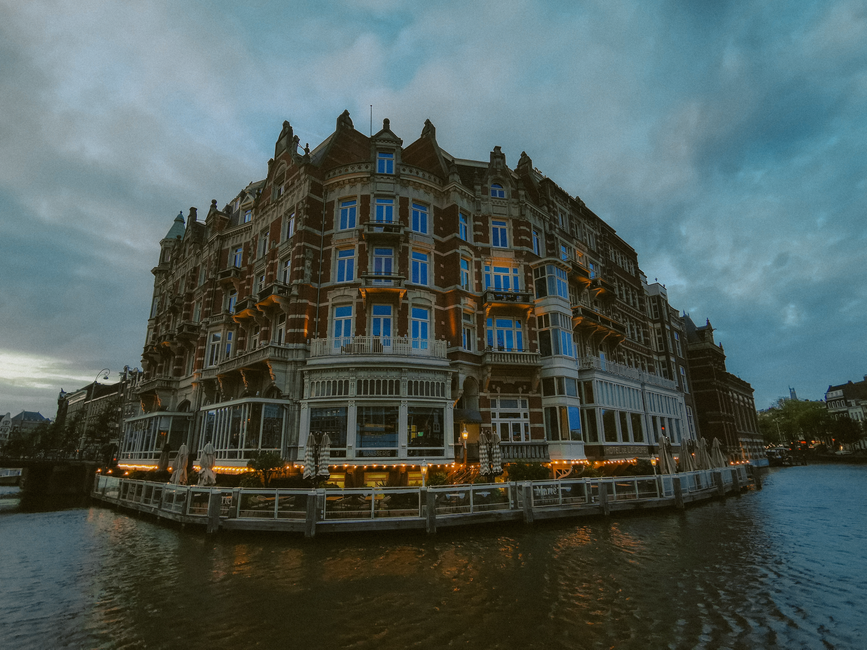
If you’re planning a stay at The Hoxton Amsterdam, you’ll probably want four answers fast: how the rooms feel, whether noise is a deal-breaker, what breakfast is actually like, and how “canal access” plays out in daily life.
This review focuses on the trade-offs you can expect in a central canal-district hotel—where location is a strength, but street activity and older building layouts can affect sleep.
Location and Canal Access: What “On the Water” Means in Practice
The Hoxton Amsterdam sits in the canal belt area, which matters because you’ll spend less time commuting and more time walking between neighbourhoods. It’s also the kind of area where the “view” is only half the story—street layout, foot traffic, and water-level promenades shape the experience.
Canal walks are a real part of the stay
If you want canals to be part of your routine (morning coffee, evening photos, post-dinner walks), this area is convenient. You can typically reach several classic stops on foot without needing taxis.
- De 9 Straatjes (Nine Streets)
- The Anne Frank House area
- The Jordaan canals
How close you feel to the water
“Canal access” here isn’t just a marketing phrase. You’re positioned so that a quick walk to the waterfront is easy, and canal-side paths become your default route when the weather is good.
That said, don’t assume every room has a canal-facing view. If waterfront scenery is your priority, you’ll want to check the room description carefully (and, if booking allows, request a higher floor or a canal-facing layout).
Rooms: Layout, Comfort, and Daily Usability
Hoxton-style rooms are designed to feel modern and functional rather than overly spacious. In Amsterdam, that usually means compactness balanced with smart storage and a layout that works for short breaks.
What the rooms tend to be like
You’ll typically find:
- a bed-focused layout with seating for winding down
- a bathroom that’s private but often compact (common in canal-area buildings)
- practical storage for a few days of clothes rather than a long trip with multiple suitcases
If you’re travelling with more luggage, plan to unpack strategically. The difference between “comfortable” and “annoying” is often whether you can stow bags neatly rather than living out of them.
Sleep quality comes down to the room assignment
Room comfort isn’t only about bedding and temperature; it’s also about where your room sits relative to movement in the building and street noise outside. A similar room category can feel very different depending on floor level and orientation.
When you’re comparing options, look beyond the photos. Pay attention to whether the description suggests street-facing or internal-courtyard calm.
Bathrooms and showers: what to expect
Canal-district hotels often manage plumbing and space in compact footprints. Expect a clean, modern bathroom experience, but treat “space to move” as a lower priority than “easy to use.” If you’re sensitive to tight bathrooms, choose a room with the most favourable layout notes available.
Noise: What Usually Disturbs Guests—and How to Reduce It
Noise is the main variable in many Amsterdam stays, especially in lively central areas. Even with double glazing, you can still hear occasional street activity, footsteps in corridors, and the building’s internal rhythm.
Street and foot traffic can show up at night
If your room is closer to the street, evenings can be busier during weekends and holiday periods. Late-night sounds aren’t guaranteed, but they’re common enough that you should plan for them—especially if you’re a light sleeper.
Internal building noise matters too
Noise doesn’t only come from outside. Corridors, lifts, stairwells, and housekeeping schedules can affect your sleep if your room is placed near high-traffic routes.
For better sleep, you can ask for:
- a room higher up (less street disturbance)
- canal-facing rather than street-facing
- a room away from lift/stairwell routes
- a courtyard-side room if available
Practical sleep tips if you’re noise-sensitive
If you know you wake easily, pack earplugs even for “quiet” rooms. Amsterdam’s canal belt can feel lively after dark, and a little insurance goes a long way.
Breakfast: What It Offers and How to Decide If It’s Worth It
Breakfast at The Hoxton Amsterdam is a key part of the guest experience, and it’s also where “included” versus “add-on” can change the value. In Amsterdam, breakfast pricing can be meaningful, so it’s worth checking whether your rate already covers it.
The breakfast style is built for convenience
Expect a buffet-style spread with familiar options—hot items, pastries/breads, fruit, and coffee/tea—set up so you can eat quickly before heading out for museums or canal walks.
If you have dietary needs, you’ll want to check what’s typically available on the day you travel. Hotels in this category often include at least some vegetarian options, but the exact balance of gluten-free, dairy-free, and meat-free choices can vary.
Is it good value?
Breakfast value depends on your travel style:
- If you want a straightforward start and don’t want to hunt for cafés, it can be a convenient win.
- If you usually sleep in and then plan an afternoon café stop, paying separately may feel less efficient.
Because exact inclusions vary by rate, always confirm what’s included in your booking before you commit.
Who This Hotel Suits—and the Trade-Offs to Watch
The Hoxton Amsterdam tends to work well for travellers who want a central base with an easy walk to neighbourhood highlights, without sacrificing a modern, design-led feel. The main trade-off is noise variability and the reality of Amsterdam room sizes.
Best for city-break travellers who walk a lot
This is the kind of hotel where you can build your day around walking:
- morning canal strolls
- museum clusters without long transfers
- evening dinners in nearby neighbourhood streets
If that sounds like your trip, the location becomes a genuine advantage rather than just a line on a map.
The common reasons people feel disappointed
You’ll want to manage expectations if:
- you’re booking for quiet above all else
- you need lots of closet space for longer stays
- you expect hotel rooms to feel as large as properties outside the canal belt
Booking strategy: choose the room before you choose the rate
If you have the option, prioritise room assignment details first—floor level and orientation often matter more than tiny differences in category names. Rates that include breakfast can be worthwhile, but only if you genuinely plan to use breakfast.
What to Do Next
Before booking, compare room descriptions for orientation (street vs canal vs courtyard) and focus on noise-risk cues like floor level and how close the room might be to high-traffic areas. Then confirm whether breakfast is included in your rate so you can judge value based on how you actually plan to travel.