


The Peninsula Hong Kong sits on the Tsim Sha Tsui waterfront and is built for travellers who want a polished, high-service base with Victoria Harbour close at hand. If you’re planning a stop around Hong Kong Island’s skyline, the key questions are usually the same: what the rooms feel like day to day, how harbour views are framed, and whether the location is too loud to sleep well.
Location on the Victoria Harbourfront

Neighbourhood feel in Tsim Sha Tsui
Tsim Sha Tsui is busiest in the evenings, when the waterfront walkway fills up and groups head for food and shopping. During the day it’s a steady mix of commuters, tourists and shoppers. The trade-off for being so central is that you’ll always notice city motion outside—more so on nights when the area is busy.
Access to the waterfront
From the hotel, reaching Victoria Harbour’s main promenade is typically a short walk rather than a long commute. That matters if you like quick photo stops, an evening harbour stroll, or catching the night-time light show from the promenade area.
What it’s like at night
Harbourfront neighbourhoods tend to stay active late. Depending on your room’s orientation, you may hear occasional street and crowd sounds, plus distant traffic. If you’re a light sleeper, it’s worth thinking about room placement rather than assuming every room will feel equally quiet.
Peninsula Rooms: layouts and what to expect
How rooms are zoned
Many guests prefer that the layout separates resting and getting-ready time. Look for a room that gives you a proper desk or table for planning the day, plus a lounge-style chair or seating area where you can unwind after sightseeing. Harbour-facing windows are often a focal point, so the “best” layout isn’t only about the view—it’s also about how the furniture faces the windows.
Storage and everyday convenience
A comfortable stay usually comes down to whether there’s enough wardrobe space for longer trips. In practice, you’ll want a room with practical hanging storage and a bathroom setup that keeps toiletries organised without feeling like everything is cramped in one spot. If you’re travelling with more than a carry-on, ask at booking about the closet and dressing arrangement for your exact room type.
Room size expectations for different travellers
Couples will usually find the standard luxury rooms feel intentionally designed—less like a hotel room, more like a calm base. If you’re travelling as a family or with extra luggage, double-check the configuration (whether there’s an additional sitting area, how beds are arranged, and what “extra space” really means for your category). The Peninsula can suit both business and leisure, but room fit varies more by category than by floor alone.
Views Over Victoria Harbour: choosing the right room
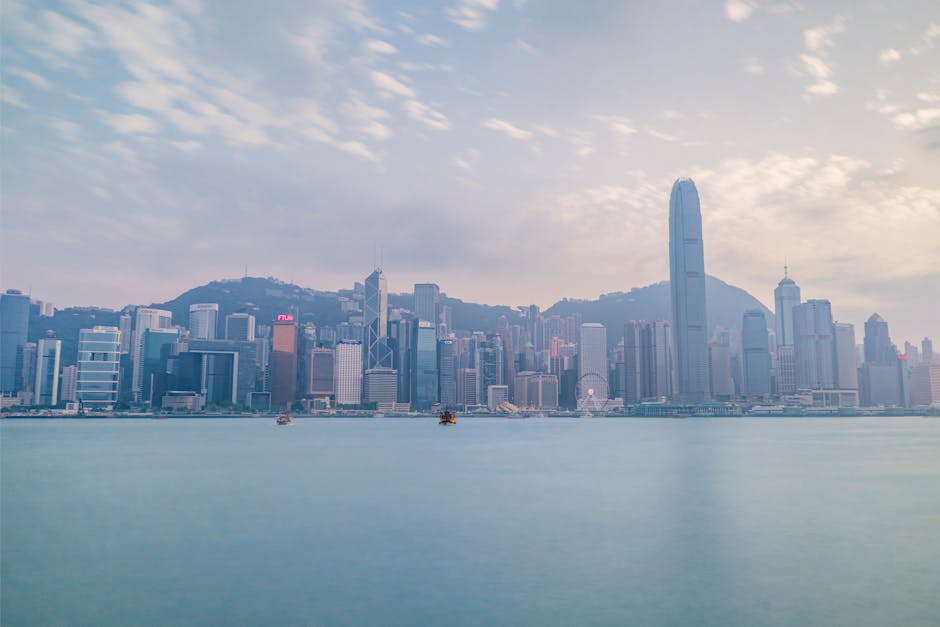
Victoria Harbour views are a major part of the appeal, but they’re not automatically “the same” from every room. Your best outcome depends on whether you’re harbour-facing, which direction the building portion faces, and how high you are.
Harbour-facing vs city-facing options
If your priority is the harbour, choose a harbour-facing room category rather than relying on “some view” expectations. Harbour-facing rooms typically frame the waterline and the skyline of Hong Kong Island more directly.
If you’re more interested in a calmer, more contained city outlook, a non-harbour angle can still be attractive—but you’ll be trading away the signature harbour imagery.
Light, reflection and window framing
Harbour-side windows are usually a standout feature. At night, the skyline lights look strong, but daytime glare can be a factor if the window receives direct sun. If you plan to sleep in during bright mornings, ask about blind/curtain coverage for your specific room type.
Higher floors can help, but they aren’t the whole story
A higher floor often improves sightlines and can reduce street-level visual clutter. However, view quality also depends on what buildings or rooftop structures line up in front of your room. When booking, it’s worth requesting clear harbour view confirmation for your exact category, not just “possible harbour view.”
Noise Levels and In-Room Comfort
Hong Kong’s central districts move—especially around the harbour promenade. Most luxury hotels include solid double-glazing, but noise doesn’t disappear entirely when you’re this close to busy streets and evening foot traffic.
Where noise can come from
Common sources are traffic noise from major roads nearby, occasional sirens or delivery vehicles, and background activity from the waterfront area. If you’re booked on a lower floor, you may hear more of the street rhythm outside.
Sleeping comfort and sound insulation
In a luxury setting like this, you can generally expect a higher level of comfort than a more budget property—especially in how doors, windows and interior finishes are handled. Still, sound behaves differently depending on the room’s orientation and proximity to building service areas. If sleeping well is your top priority, request a quieter room location when you book.
When to ask for a quieter setup
If you’re travelling for an early start, are sensitive to city noise, or plan to spend late evenings in the room, it pays to ask for a room that minimises street-facing exposure and avoids any room positions that receive more foot traffic noise. Check the booking notes for room placement options—availability is the limiting factor.
Walkability to Transit and Major Sights
The practical advantage of this location is that you can base your days around walking first, with transit used for farther neighbourhood hops.
Getting to MTR and main transport points
Tsim Sha Tsui is well-connected by rail, so you’re rarely far from getting across the harbour or heading deeper into Kowloon. Expect an easy walk to a major MTR station, and then you can reach places like Central and Admiralty via the lines that run across the city.
For airport travel, many travellers use an Airport Express route to Kowloon and then connect onward by MTR or short taxi. Your exact route depends on your hotel-side convenience and luggage, so confirm the station and walking directions in your booking materials.
Star Ferry, promenade time and harbour landmarks
If Victoria Harbour access is a priority, you’ll like how the area is designed for waterfront strolling—especially at sunset and at night. You can also time your walk to match evening harbour atmosphere without committing to a long itinerary.
Nearby sights you can reach on foot
- Star Ferry Pier for rides to Central
- Tsim Sha Tsui Promenade and Avenue of Stars
- Clock Tower at the waterfront
- Harbour City shopping centre
- MTR Tsim Sha Tsui station
Next steps
When you book, focus your choices on three practical items: whether the room category is truly harbour-facing, the floor level for better sightlines and quieter sleep, and whether you’re sensitive to street and waterfront background noise. If you’re aiming for maximum Victoria Harbour access, plan your first evening around a short waterfront walk straight from the hotel, then use MTR for everything beyond Tsim Sha Tsui.