

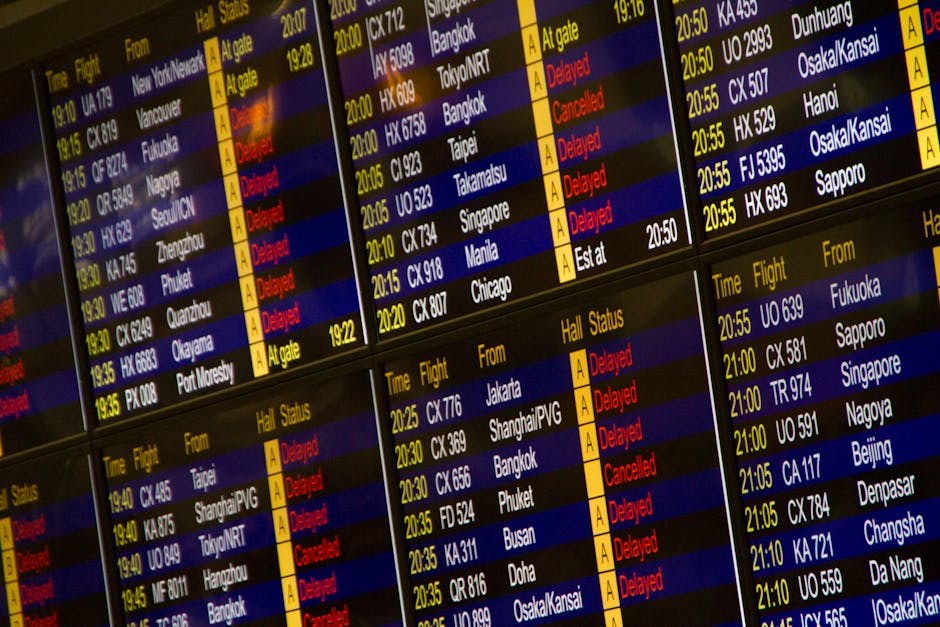
When you buy travel insurance, “covered delay” sounds reassuring—but it only pays out if you can back up both the delay and the extra costs you claim.
The good news: insurers tend to ask for a consistent set of documents. The tricky part: “covered” rarely means “any delay for any reason,” so exclusions matter just as much as paperwork.
Covered Delay vs Cancellation and Relocation
What the benefit typically pays for
Covered delay benefits (when included in your policy) are usually designed to reimburse extra, necessary expenses after a delay makes your original travel plan impractical. In many policies, this is most often about:
- Costs you pay after the delay (meals, accommodation near the departure point, local transport)
- Sometimes, additional travel segments (rebooking changes) if they’re required to continue your trip
- In some cases, limited compensation after a qualifying delay duration (for example, after a set number of hours)
What varies by policy is the qualifying trigger (the reason for delay) and the benefit structure (reimbursement of expenses vs a fixed payment, and any caps).
Why your documents matter
Insurers can’t assess “covered delay” based on your word alone. You’re expected to show:
- The disruption happened as claimed (and it falls under the policy’s covered reasons)
- Your timeline (original travel, the delay, and the change)
- Proof that you actually spent money on the expenses you’re requesting
If your documents don’t connect those dots, claims often get reduced or declined even when the delay itself is real.
Proof Insurers Usually Request
Proof of the disruption (cancellation/relocation)
For delays that lead to rebooking, insurers typically want written evidence showing what changed and when. This is where proof of cancellation or relocation comes in—because it explains why you had to alter your plans rather than just “wait it out.”
Proof of what you had to pay
Equally important is proof of your out-of-pocket costs. Many claims fail because travelers keep receipts but can’t demonstrate they were required due to the covered delay.
Here’s the document checklist insurers commonly ask for in delay-related claims:
- Written notice of the delay from the carrier or operator (e.g., airline/ferry/rail message, disruption notice)
- Confirmation of schedule change (new departure/arrival times and the reason given)
- A “rebooked” or “relocated” itinerary record, such as a change confirmation showing the new booking
- Proof of cancellation or relocation of accommodation or transport, if your plan was shifted (emails or system notifications showing cancellation/transfer)
- Itemised receipts for meals and refreshments purchased because of the delay
- Hotel or lodging bills with dates that match the period after the delay
- Local transport receipts you used to get to/from the delay-related accommodation or onward connection
- Proof you paid (for example, card statements or payment confirmation for prepaid bookings you had to change)
- Your original booking documents and travel itinerary showing the planned travel and dates
Tip: keep everything together in one folder as soon as the disruption happens. The “what happened” evidence and the “what you paid” receipts need to match the same dates.
Receipts and Supporting Paperwork: What to Do (and What Not to Do)
What to keep
When you’re dealing with a delay, your best friend is consistency: your insurer wants receipts that are readable and date-matched to the period created by the disruption.
In practice, that usually means:
- Ask for itemised bills, not just a total.
- For lodging, make sure the paperwork shows the check-in/check-out dates.
- If a receipt is in a different language, you should still be able to identify what was purchased and the date—if your insurer asks for translation later, having the original already helps.
If you receive rebooking confirmations by email or app notifications, saving screenshots is helpful, but it’s even better if you can download the confirmation details in a stable format.
How to submit
Most insurers expect you to submit a claim form plus the support documents above. Two common pitfalls to avoid:
- Waiting too long: policies often set a deadline to report or submit claims.
- Submitting scattered pieces: if you can, submit the delay proof and each matching receipt together so the assessor can see the cause-and-effect.
Also, be careful with “extra” documents. If a document doesn’t help prove the delay or the expense, it can slow down the review.
What “Covered Delay” Commonly Excludes
Foreseeable events and policy-defined triggers
Even when delay benefits sound broad, policies usually cover only certain causes or “covered events.” If the reason is outside the policy wording, you may still be stuck with the costs.
Policies also commonly exclude events that were known or reasonably foreseeable when you bought the insurance.
Policy wording gotchas
Here are exclusions that frequently appear in travel insurance delay benefits (the exact language varies, but these are common themes):
- Delays caused by events that were publicly announced or foreseeable at the time you purchased your policy (so your insurer argues you could have planned)
- Delays outside the policy’s covered causes (some policies cover weather or mechanical issues; others also restrict what qualifies)
- Delays caused by your failure to meet travel requirements (missed check-in, incorrect documents, or not following carrier instructions)
- Delays related to strikes or industrial action that your policy excludes (often tied to whether notice was given before purchase)
- Claims where expenses aren’t a direct result of the delay (for example, costs you would have incurred anyway)
- Costs beyond policy limits or outside the eligible time window (even if the delay is covered)
Because exclusions vary widely, the safest approach is to read the section titled something like “Delayed departure”, “Travel delay”, or “Trip delay” and check the listed “covered causes” and “not covered” events.
How to Make a Faster Claim (Without Over-Sharing)
Document the timeline immediately
Right after you learn your travel is delayed, capture the timeline. You’re trying to prove:
- When the delay was announced
- How long it lasted (relative to the policy’s qualifying hours)
- What rebooking or relocation occurred because of it
Then make sure your receipts match that timeline.
Don’t forget the operational paperwork
Carrier documentation is often the most persuasive proof because it contains the operator’s official record of what happened and the reason code.
If possible:
- Request written confirmation at the airport/station when you can
- Keep any disruption numbers or references shown on official messages
- Store the rebooking confirmations and new itinerary details alongside your receipts
Even a small inconsistency—like receipts spanning dates that don’t line up with the delay window—can create delays in assessment.
Next Steps for Your Claim
Before you submit anything, line up your documents so they tell a clear story: original itinerary → disruption proof → rebooking/relocation proof → itemised receipts that match the same dates. If anything is missing (especially delay notices or itemised lodging/meal bills), request it now while records are still available. Then submit the claim in one complete batch to avoid delays caused by follow-up questions.