

Accidental injury coverage is one of the most reassuring parts of a travel insurance plan—but it’s also one of the easiest to misunderstand. If your claim is linked to an underlying health issue, even a sudden fall or “normal” activity can be treated differently.
This guide helps you understand what insurers usually mean by an accident, what tends to fall into pre-existing condition territory, and how to compare policies using the wording that matters.
How Insurers Define “Accident” in Injury Claims
The difference between an accident and an illness flare-up
In many travel policies, an accident is an unexpected, unintended event caused by a specific external incident—something that happens at a particular time and place.
By contrast, a pre-existing condition is generally an issue you already had before you bought the policy (or before coverage started), whether or not it was diagnosed. Insurers often treat flare-ups and deterioration as linked to that condition, even if the immediate injury looks dramatic.
“Sudden” isn’t always the same as “accidental”
You might feel that “sudden” equals “accident.” Insurers may disagree if the sudden problem is medically connected to an existing condition—especially things like recurring symptoms, chronic pain conditions, or known risks.
External event vs internal cause
A useful way to read the wording is to ask: was the main cause an external event (a slip, a collision, a fall), or did the internal condition create the event (for example, a medical episode leading to a fall)? Policies vary, but this question comes up in most disputes.
Accidental Injury Examples That Often Get Covered
Below are common scenarios where insurers typically view the event as a true accident. Coverage can still depend on the exact policy wording, your activities, and any exclusions.
Common “accident” situations
- Slip or fall on uneven ground, stairs, a wet floor, or a sidewalk crack
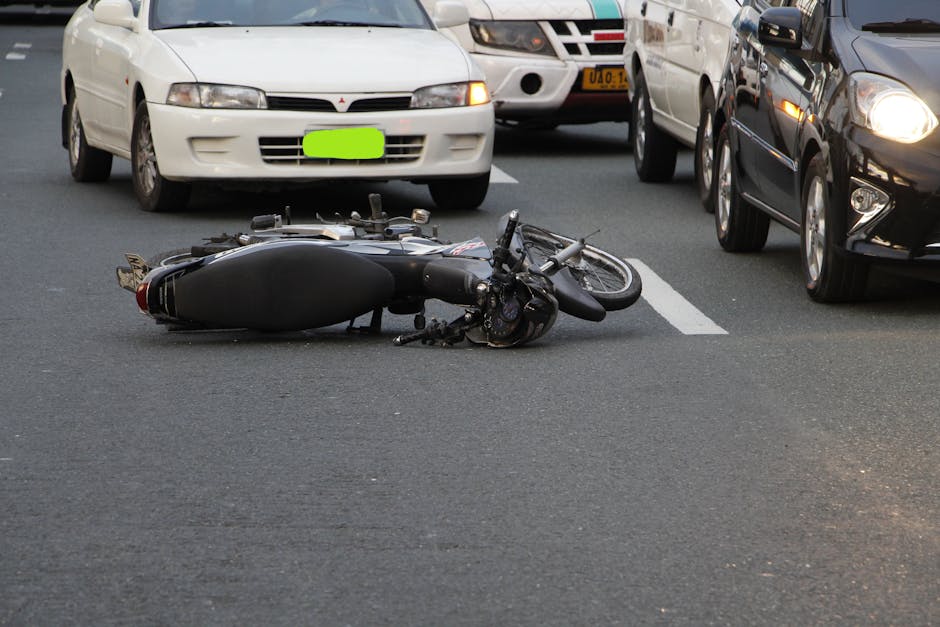
- Injury from a collision (for example, a bump with a cyclist, scooter, or car)
- Broken bones from a sudden fall during everyday sightseeing or getting in/out of transport
- Accidental cuts or bruising caused by an unexpected event (for example, a fall against a railing)
- Dental injury from an accident (for example, a chipped tooth after a fall)
- Injury from an activity within limits (for example, a non-extreme excursion like a guided hike, depending on the policy)
Why these events can matter for payouts
Accidental-injury claims are usually easier when there’s:
- a clear start time (when it happened)
- an identifiable event (what caused it)
- medical records showing injuries consistent with that event
If those pieces don’t line up, you may face more questions about whether an underlying condition was the real driver.
When an Injury Claim Looks Like a Pre-Existing Condition
Insurers may treat a “fall” as condition-related
A fall isn’t automatically “an accident” in the insurer’s eyes. If you had a known medical risk and that risk contributed to the event, the claim can be reclassified.
Events insurers often link to pre-existing conditions
- Fainting, dizziness, or seizures that you had before travel, leading to a fall
- Chronic back/neck issues where a worsening happens during travel, and the injury is judged part of the underlying problem
- Recurrent pain episodes (for example, a pattern you’ve had previously) where the insurer argues it’s a continuation, not a new injury event
- Heart- or blood-pressure related episodes that occur suddenly and trigger injury
- Migraines or vertigo where symptoms existed before the trip and the resulting imbalance causes harm
- Known joint disorders where swelling/pain flares after normal activity, and the insurer views it as deterioration
The key point: it’s about cause, not timing
Even if symptoms show up during your trip, insurers may still look at whether you had a related condition before coverage began. “Accident happened while travelling” can be true—and still not be enough if the medical narrative ties it back to something pre-existing.
How to Read the Policy Wording So You Don’t Get Denied
Look for the exact definitions, not marketing labels
Policies often use phrases like “accidental bodily injury”, “sudden and unforeseen”, “external event”, or “not related to an existing condition.” Find the section that defines injury and exclusions.
What you want is clarity on two things:
- What counts as an accident (unexpected external event)
- What counts as related to a pre-existing condition (medical links, symptoms you had, treatment history, or known risks)
Check how the policy treats “related to” and “complications”
Many denials come down to wording like “related to”, “arising from”, or “complications of” a condition. Those phrases are broad. If you read only the accident headline, you can miss that broad language.
Confirm whether you need extra coverage or a waiver
If your policy includes a pre-existing condition approach (for example, requiring you to meet eligibility rules), you may need to:
- declare the condition before travel
- meet timing requirements (such as buying coverage soon after booking)
- be able to show stability or no recent changes (exact rules vary)
If the policy doesn’t clearly spell this out, it’s worth asking before you rely on the accident wording.
What to Do Next Before You Buy Coverage
Match the policy to your trip and your medical history
Before you purchase, compare policies using the sections about accidental injury and medical exclusions. Then, be honest about anything that could be interpreted as pre-existing—even if you’re not travelling with a diagnosis.
Prepare documentation that helps connect cause to event
If something goes wrong, the difference between a smooth claim and a denial often comes down to evidence. Keep or carry:
- a clear timeline of what happened (date/time and circumstances)
- medical notes that describe the cause of injury
- any records showing symptoms existed (if you already have them) so the insurer can assess correctly
Buy early and double-check the fine print
If you’re unsure whether you need a pre-existing condition waiver or additional cover, purchase sooner rather than later and verify eligibility rules during the buying process. That way, you’re less likely to discover a mismatch after a claim is underway.