

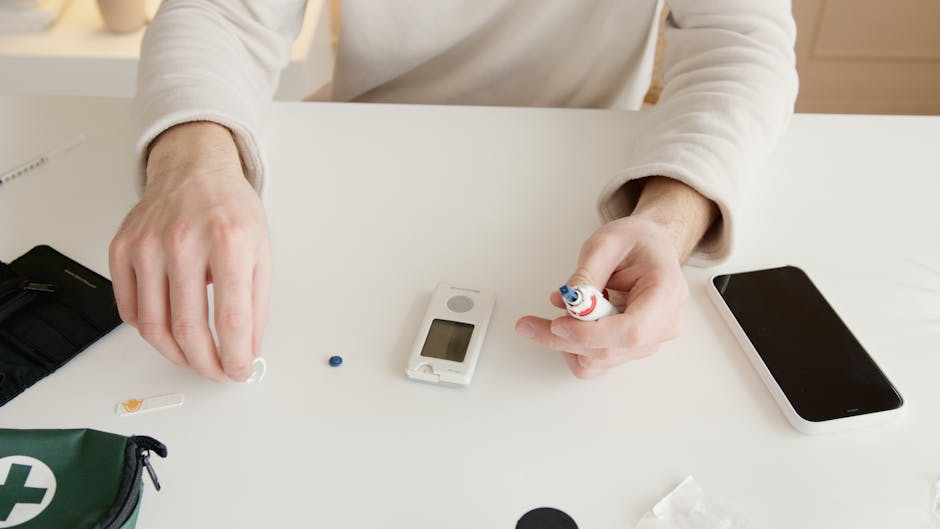
Why Diabetes Needs Special Cover Abroad
If you live with diabetes, standard travel insurance can be risky—especially when you’re travelling abroad. Many policies treat diabetes as a pre-existing condition, which means cover can be limited unless you meet specific requirements and the policy clearly includes what you need.
Two things usually drive claim trouble:
- Pre-existing condition rules: insurers may refuse or limit cover if diabetes (or related complications) isn’t declared in the way the policy requires.
- Diabetes essentials aren’t always covered: insulin, testing supplies, monitoring devices, and emergency treatment often need explicit wording.
On a trip, the “what if” moments aren’t just dramatic emergencies. They can be as practical as a missed dose schedule across time zones, a lost meter, or needing urgent help because your blood sugars are unstable.
Pre-existing condition rules can change what’s covered
When you buy cover, you’ll typically be asked health questions. If diabetes is treated as a pre-existing condition, the policy may still provide cover—but only for certain events (for example, sudden deterioration) and sometimes only up to a stated limit.
The most common scenarios abroad
Even straightforward travel can trigger extra costs:
- emergency care for blood sugar instability
- replacing lost or damaged diabetes supplies or devices
- medical transport if complications require referral to a higher level of care
- trip disruption if you need treatment during the trip
What to Check in Travel Insurance for Diabetes
Start by looking for a policy that explicitly covers diabetes-related events, not just “general medical” costs. Pay attention to the wording around pre-existing conditions and how the policy handles treatment, supplies, and emergencies.
Policy wording to look for
Use this checklist before you buy. If a provider can’t answer these clearly, keep looking.
- Explicit cover for pre-existing diabetes (not just “general health”), including how “stable” is defined
- Cover for diabetes complications that may require hospital treatment while abroad
- Emergency medical expenses with no vague exclusions tied to diabetes management
- Medication coverage terms for insulin and other diabetes medicines, including replacement if lost or stolen
- Testing and monitoring supplies coverage (test strips, lancets, sensors, meters) where applicable
- Travel disruption cover if you must seek treatment or your trip is delayed/shortened for medical reasons
- Medical evacuation and repatriation that won’t be limited for pre-existing conditions
- Coverage for diabetes devices (for example, pump/CGM-related equipment) if your policy includes them
- Reasonable limits and excess that still make sense for the countries you’re visiting
- Clear exclusions stated in plain language, especially around “uncontrolled” diabetes or changes in treatment close to departure
Ask about stability and “recent change” rules
Many insurers look at whether your condition is stable and whether your treatment changed recently. If you’ve had a recent medication adjustment, a new diagnosis, or hospital care, the policy may be restricted unless you buy at the right time or provide supporting medical information.
Check that emergency transport isn’t quietly limited
The biggest financial risk for travellers with diabetes is not the doctor’s appointment—it’s what happens if you need hospital-level care or transport from a remote area. Make sure the policy includes medical evacuation and repatriation and doesn’t state diabetes-related exclusions in a way that would block your claim during a true emergency.
How to Buy a Policy Without Rejected Claims
Even a good policy can fail if the application details don’t match the wording. Take time with the buying process and treat the medical questions as part of your “claims readiness.”
Declare your diabetes accurately and consistently
When you answer health questions:
- Use the same diagnosis wording you have in your medical records
- Answer at the level of detail requested (for example, insulin use vs. oral medication)
- Be careful with “best guess” answers—if information is uncertain, it’s usually better to get clarification than to guess
If you use devices such as a pump or CGM, mention them if the form asks about diabetes management methods.
Get documentation that matches your policy’s requirements
Before you travel, gather documents that can support a claim if you need medical care abroad. This doesn’t mean you’ll need them often, but it helps when you’re dealing with urgent situations.
Keep:
- a recent letter or summary from your clinician confirming your diabetes type and current treatment
- a list of medications (name, dose, and how you take them)
- information about diabetes supplies and devices you rely on
Also, store copies digitally so you can share them with the insurer quickly if needed.
Understand excess, limits, and “stable condition” cut-offs
Read the parts of the policy that cover:
- excess (what you pay before the insurance responds)
- limits for medical expenses and evacuation
- how the policy defines “stable” and how “recent changes” are handled
If the policy looks cheap but limits medical evacuation or has strict diabetes-related restrictions, that can be a false economy—especially for higher-cost destinations.
Managing Diabetes While You Travel Abroad
A good policy reduces financial risk, but good preparation reduces the chance you’ll need to use it. Abroad, small changes—like different meal times or fewer pharmacies—can affect blood sugar control.
Build your routine around time zones and travel days
Jet lag isn’t just an inconvenience. Timing affects insulin use and medication schedules. If you’re flying across multiple time zones, plan your dosing schedule around your clinician’s guidance rather than trying to freestyle while you’re in the air.
On travel days, leave extra buffer for:
- meals that arrive later than expected
- longer airport transfers
- unexpected delays that shift your routine
Carry more supplies than you think you’ll need
Unexpected events happen: flights are delayed, bags are misplaced, or you can’t find a pharmacy with the exact supplies you use. Pack extra diabetes essentials so you can manage for several days beyond your original plan.
Where possible:
- carry medicines and key supplies in your hand luggage
- keep a back-up portion separate from the main kit
Know how to get help quickly if your blood sugars swing
If you feel unwell, treat it as an urgent medical issue rather than “waiting it out.” In many countries, the fastest route is to contact local emergency services or go directly to a hospital where clinicians can assess you and adjust treatment.
When you need care, keep receipts and document what happened. If the situation is claim-related, the insurer will usually need details such as dates, diagnosis notes, and proof of the medical costs.
Next Steps Before You Book
Before you buy travel insurance, shortlist two or three policies and compare them on pre-existing condition wording, diabetes-related exclusions, and emergency evacuation terms. Then match the application questions to your medical documents so the answers you give are consistent.
Once your policy is selected, keep your clinician letter, medication list, and proof of cover accessible during your trip. If you’re travelling for longer periods or to areas with limited medical services, consider speaking to a clinician or diabetes educator before departure so your plan is realistic for the destinations you’ll visit.