

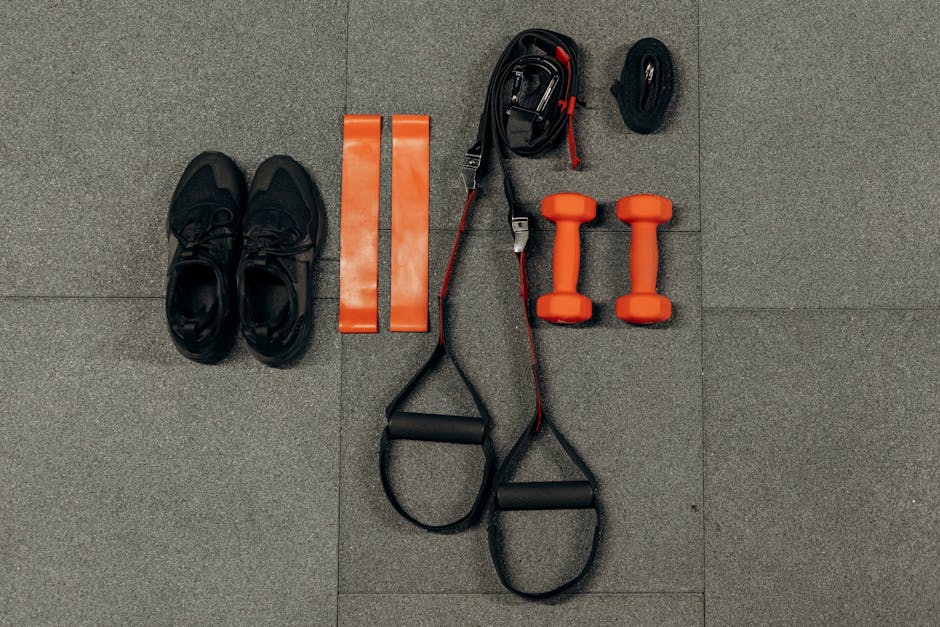
Checked sports gear is exactly the kind of baggage problem that can get expensive fast. A travel policy may cover the cost to replace sporting equipment if it’s lost by the airline or stolen from your checked bag—but in practice, claims often turn on paperwork and on what your policy considers “covered loss” versus damage or neglect.
Below, you’ll find the key proof insurers usually require (serials, receipts, and baggage reports) and the typical exclusions that can trip up gear claims.
How Coverage Usually Works for Sports Gear
Sports equipment is normally treated as “personal belongings” inside checked baggage, but coverage differs depending on what happened.
Airline loss vs. theft from checked baggage
If your checked bag goes missing, many insurers expect the situation to be connected to an airline event (for example, the bag wasn’t delivered, or it was lost in transit). In theft scenarios, the focus shifts to whether the item was taken from the checked bag while you were travelling, and whether you reported it properly.
Replacement value and settlement approach
Most policies don’t mean “brand-new replacement no questions asked.” You’ll typically be offered either the cost to repair or a replacement amount that can be reduced for age and wear, depending on your policy wording. High-value sports items may also be subject to limits, especially if your insurer treats them as “valuable items.”
Coverage is policy-specific
The biggest mistake is assuming all travel insurance policies handle checked-baggage contents the same way. Before you buy or travel, check:
- whether “baggage” covers contents while checked with the airline
- whether “theft” includes theft from checked baggage
- whether sports equipment is considered normal personal belongings or a “specific items” category
- the claim process (often you must claim with the airline first)
Proof Insurers Typically Require
For lost or stolen gear, insurers want a clear paper trail showing (1) you owned the item, (2) what it was, (3) what it was worth at the time, and (4) that the loss was properly reported.
Receipts, invoices, and proof of purchase
Keep purchase proof if you have it. This can be a receipt, invoice, or order confirmation with the item description and cost. If you bought second-hand, a bill of sale, marketplace receipt, or ownership documentation can still help.
Serial numbers and item identification
Sports gear often has identifiers that make claims easier to validate. For many items, insurers respond well to:
- serial numbers from the product
- model and brand information (including size)
- unique identifiers on helmets, frames, or electronics
If your gear is a set (for example, a full racket kit or ski bindings), record which pieces you’re claiming.
Photos and documentation you can’t easily recreate
Photos and short videos are useful because they show condition and the exact configuration of what you packed. Ideal evidence includes close-ups of:
- branding and model labels
- serial/ID stickers (if visible)
- accessories included in your kit
- how the item fits inside its protective case
Required airline and theft reports
Insurers usually expect you to report the loss quickly and consistently.
- For lost baggage: a baggage incident reference from the airline (often called a “property irregularity report” or a similar claim reference).
- For theft: a police report or official report that documents the theft and the circumstances.
A common reason for denial is a mismatch between what you report to the airline and what you claim with the insurer.
What you should gather before you travel (so claims are straightforward)
Try to collect your proof now so you’re not scrambling after a stressful travel day.
- Purchase receipts or invoices for each key sports item
- Serial numbers or unique IDs written down exactly as shown on the gear
- Model/brand/size details for every item in the claim
- Photos or short video showing the gear and its condition before travel
- A clear list of what was packed (equipment, accessories, spares)
- The airline baggage incident reference for missing checked luggage
- Proof of the airline claim submission (for example, a reference number or acknowledgement)
- A police report for theft, including dates and a description of the stolen items
Common Exclusions and Claim Pitfalls
Even when you have evidence, exclusions can reduce or stop payouts. Sports gear claims often fail for predictable reasons: wear, packing mistakes, delays not handled properly, or items that don’t match what you reported.
Wear-and-tear and “damage through use”
Policies commonly exclude normal wear, gradual deterioration, or cosmetic scuffs that don’t affect safe operation. If your equipment was already well used, insurers may pay only for loss that’s clearly due to the covered event.
Improper packing and insufficient protection
Checked-baggage sports gear is vulnerable to impact. If an insurer believes the item wasn’t packed in a way that a reasonable traveller would use to protect it in transit, they may reduce coverage.
Failure to report promptly
If you delay reporting to the airline or don’t document the timeline, insurers may argue the loss can’t be verified as covered. For theft, the lack of an official report can be a deal-breaker.
“Not covered because it wasn’t really in checked baggage”
Some policies treat issues differently depending on where the item was when lost. For example, if gear was taken out of the bag during travel or left somewhere unsecured, coverage can be limited.
Limits for certain categories
Even if the item is sports equipment, the policy may apply special limits based on category (like “high-value items” or “sports and leisure equipment”). If your claim includes expensive electronics (action cameras, GPS units, or similar), check whether they sit under a separate sub-limit.
Claim amounts that don’t match evidence
A claim has to be consistent. If your documentation doesn’t support the model, the quantity, or the condition you describe, expect pushback.
Common exclusion and denial triggers to watch for:
- Normal wear-and-tear or cosmetic damage that doesn’t relate to the covered event
- Damage caused by inadequate packing or lack of protective casing
- Theft without an official report where the policy requires one
- Missing items that weren’t properly reported to the airline via the baggage incident reference
- Claims that exceed evidence (wrong models, quantities, or unsupported values)
- Items treated as “limited category” goods with sub-limits
How to Improve Your Odds Before You Check In
You can’t control whether a bag disappears, but you can control how easily the claim gets verified. The best approach is to make your equipment “claimable” in under 10 minutes.
Pack in a way insurers and airlines expect
Use protective cases designed for travel—hard-shell options for fragile gear and protective liners for items that can shift. If your kit includes multiple components, keep them together with clear separators so the “what you had” list stays accurate.
A good practical rule: if your gear would survive being dropped into a pile at baggage-handling speed, it’s likely packed to a defensible standard.
Keep a travel-day paper trail
On the travel day, make sure you collect whatever reference numbers your airline provides for baggage issues. If your bag is delayed or goes missing, don’t rely on memory for the equipment list—use photos to reconstruct it.
Don’t assume you’re covered for everything in the bag
Sports gear is broad. A policy may cover the bike frame and helmet but treat accessories, tools, or electronics differently. Where policies vary most:
- action cameras and small electronics
- specialised lenses or optics
- custom parts and high-value attachments
Check your policy wording for these categories so your claim matches what’s actually covered.
What to Do If Your Sports Gear Goes Missing or Is Stolen
When the issue is happening, the priority is documentation. After that, the priority is matching your insurer’s requirements.
If your checked bag is lost or delayed
Go to the airline’s baggage service desk at the airport as soon as you notice the problem. Ask for the official baggage incident reference and keep it. If the airline resolves the issue, you’ll still want to document everything—because coverage and settlement terms often depend on the initial incident.
If your gear is stolen
Report the theft to local authorities and get an official report if required. Then document the contents of the bag: what was taken, what was left, and any visible damage. Insurers typically use the official report plus your pre-travel evidence (serials, photos, purchase records) to confirm what’s missing.
Submit an insurer claim with consistent details
When you file with your travel insurer, keep the story consistent across documents: the dates, the airline incident reference, the list of items, and the value basis (replacement cost vs. depreciation, depending on policy terms). If you update your list after the initial claim, do it carefully and in writing.
Next Steps: Make Your Gear Claim-Ready
Before you travel with checked sports equipment, gather serial numbers, receipts (or proof of purchase), and a photo set that matches the exact kit you’ll pack. If you’re buying coverage, read the “baggage contents” and “theft” sections for sports gear or high-value limits—and check whether you must claim with the airline first.
If you want, share what type of sports gear you’re taking (for example, skis, racquets, golf clubs, bike and helmet, or sports electronics) and your rough trip length, and you can sanity-check what evidence will matter most for your likely claim scenario.