

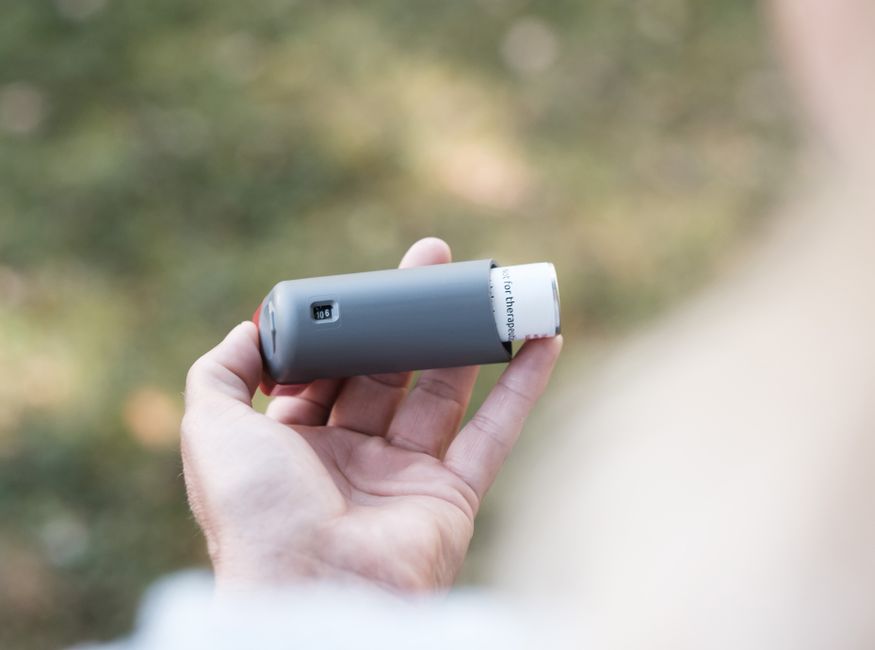
Choosing travel insurance when you have pre-existing asthma is mostly about matching your policy to your actual medical history. You will usually need to answer more underwriting questions than someone without a long-term condition, and you’ll want documentation ready before you leave.
Below is a practical checklist for what to verify up front and how claims for asthma flare-ups typically work.
Underwriting: how insurers assess asthma before you buy
Insurers start with your “medical risk” based on diagnosis history and recent stability. The same travel plan can be approved with different terms depending on how well your answers line up with your medical records.
Expect questions about severity, recent symptoms, and treatment
When you apply, you may be asked about things like:
- How long you’ve had asthma
- Whether you’ve had an asthma attack that required oral steroids
- Whether you’ve been treated in urgent care or the emergency room
- How often you use your reliever/rescue inhaler
- Whether you have been diagnosed with severe asthma or frequent exacerbations
Answer these consistently. If you’re unsure about a detail, verify it with a clinic rather than guessing.
Confirm “stability” and whether a waiver is available
Many policies can cover pre-existing conditions only if they’re considered stable (or only if you meet the insurer’s criteria). Look for language that suggests:
- Cover for the pre-existing condition is included if you are stable at purchase
- A “pre-existing medical condition” exclusion may be removed if you meet certain conditions
- You may need to declare asthma as a specific pre-existing condition during purchase
If your symptoms or medication have changed recently, coverage might be limited or offered with higher cost.
Check where the policy draws the line
Even with declared asthma, insurers often distinguish between:
- Treatment for an acute, unexpected flare-up while travelling
- Preventative or maintenance care that is considered routine
- Plans cancelled or shortened because of a worsening condition
This is why reading the exact wording matters. If a policy excludes the pre-existing condition except for “sudden and unforeseen complications”, you’ll want to know how they interpret “unforeseen”.
Inhalers and prescriptions: what to document before departure
Inhalers are usually covered as medical equipment, but claims fail more often on paperwork than on the inhaler itself. Prepare documents that prove what you take, why you take it, and what happened during the trip.
Keep a doctor letter that matches your travel declaration
A doctor letter is often the most useful single document. It should clearly show:
- Your asthma diagnosis
- Your current inhalers (names), dosage, and how they’re used
- Whether your condition is controlled or you have an asthma action plan
If you’ve recently changed medication, the letter should reflect the current regimen.
Prepare proof you carry and use your medication correctly
Insurers may ask for receipts or pharmacy records depending on the case. To reduce friction, keep:
- Original prescription labels or pharmacy packaging for each inhaler
- Copies of prescriptions (including repeat prescriptions)
- Proof of purchase for any replacement inhalers bought during the trip
Also keep your asthma action plan (paper copy is safest). If you ever need emergency treatment, your action plan can help clinicians and insurers understand what was already tried.
Make sure you have the right supply and access
Policies often assume you can manage your condition while travelling. Before you go, verify that you have enough medication for the full trip plus a buffer for delays, and that you can access it immediately.
Common travel-friendly steps:
- Pack inhalers in carry-on so you can use them even if luggage is delayed
- Bring spare medication if your insurer allows additional items
- If you travel with spacers or nebulisers, carry relevant instructions and parts
What coverage usually includes (and what often gets excluded)
Asthma coverage is commonly limited to medical events triggered during the trip, but the details vary. Your goal is to avoid “surprises” at claim time.
Emergency treatment for a flare-up is usually the core
Most travel insurance plans aim to cover urgent medical care when you become unwell while away. For asthma, this typically means treatment for:
- Shortness of breath or wheezing episodes
- Medical assessment and medication given during an emergency visit
- Hospital care if a flare-up becomes serious
Even so, insurers often look for evidence that the flare-up was acute and not part of a predictable pattern you were already managing poorly before departure.
Trip cancellation and interruption can be harder
If you cancel because your asthma worsens, the insurer may require stricter proof than you expect. Coverage for cancellation/interruption is more likely when:
- A clinician says you are unfit to travel
- There is a clear timeline linking the worsening to the travel dates
- The event isn’t described as “manageable” under a stable plan
If your policy treats asthma as pre-existing and excluded from cancellation, you could still be covered for the medical side after you’re already travelling—so check both sections.
Maintenance care and routine refills may be treated differently
Insurers sometimes do not cover routine refills or regular asthma monitoring abroad. If you need new prescriptions while travelling, the insurer may treat it as “ongoing care” rather than an emergency.
For that reason, verifying your medication supply before departure is one of the biggest ways to avoid uncovered spend.
How asthma claims usually work (and common bottlenecks)
When you make a claim, insurers rely on the story in your medical documents: what happened, what was done, and why it fits the policy wording. If anything contradicts what you declared, claims can be delayed or denied.
The typical claim workflow
While insurers differ, you will usually need to:
- Notify the insurer or claims handling service as required (especially for hospital treatment)
- Get medical reports from the treating facility or doctor
- Provide proof of your asthma history and current treatment (doctor letter, prescriptions)
- Submit receipts for eligible expenses, where applicable
If the insurer asks for “medical causation” (why this episode was connected to asthma), the treating clinician’s notes can be decisive.
Common bottlenecks that slow or derail claims
Asthma-related claims often get stuck due to preventable issues. Watch for these:
- Underwriting mismatch: your answers at purchase don’t align with the doctor letter or medical history
- Missing or outdated medical documentation (for example, no letter that lists your current inhalers)
- Unclear timeline: records don’t show when symptoms began or how they progressed on the trip
- Policy wording interpretation problems (for example, “sudden” versus a gradual worsening)
- Receipt gaps: no proof for medication replacements, consultations, or transport costs
If you need treatment abroad, document aggressively
When breathing issues flare, it’s easy to lose track of paperwork. If you end up in urgent care or hospital, aim to collect:
- Discharge summaries or visit notes
- A list of medications given and any follow-up instructions
- Receipts for services and prescribed medication
Even a photo of the discharge paperwork can help you complete the claim quickly.
What to verify in your policy and application (quick checklist)
Use this as your pre-trip “cross-check” so you don’t rely on assumptions.
Declaration and stability
Verify that you have covered your asthma accurately in the application, including your recent history and your current treatment plan. In many cases, you want to confirm that coverage for pre-existing conditions is included for your profile.
Document readiness
Make sure you can supply the key paperwork fast if a claim is needed.
- Doctor letter confirming your asthma diagnosis and current inhaler regimen
- Current prescriptions or prescription labels for each inhaler
- Proof of purchase for any medication replacements during the trip
- A written asthma action plan (the steps you take during worsening symptoms)
Policy wording that matters most
Before you pay, scan the policy for how it treats pre-existing conditions, emergencies, and trip cancellation/interruption. If you see exclusions that mention asthma or “pre-existing medical conditions”, you need to confirm whether they can be waived based on your stability declaration.
- Whether the policy includes a pre-existing condition waiver or medical condition add-on
- Whether “sudden and unforeseen” language applies to asthma flare-ups
- Whether cancellation/interruption is covered for asthma worsening
- Whether routine refills or ongoing care are excluded
- How urgently you must notify the insurer for medical treatment
Final thoughts: what to do next
Before you buy, take time to align your application answers with a current doctor letter and your actual inhaler routine. If the policy language is unclear about pre-existing asthma, ask the insurer what category your condition falls under and what documentation they will expect for claims.
Once you travel, keep your inhalers accessible and store medical paperwork immediately after any treatment so a claim is straightforward to complete.