

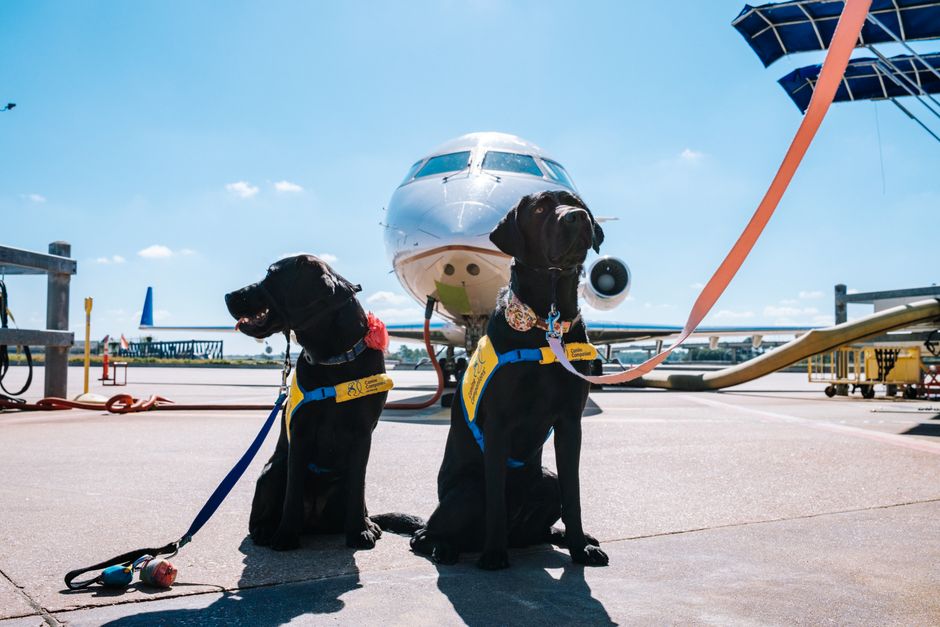
Planning travel with a service animal is manageable, but standard travel insurance policies often don’t treat service animals the same way they treat people. If you want to avoid gaps, focus on the specific policy sections that usually apply to service animals, then match them to the documents your insurer will expect.
Service animal coverage isn’t automatic (and pet exclusions are common)
Most travel insurance is designed around human medical treatment and human trip disruptions. Even when your animal is allowed in hotels and cabins, coverage can still be limited by the wording of the policy.
When you’re comparing plans, look for language that covers:
- “Assistance animals” or “service animals” (not just “pets”)
- Veterinary treatment during the trip
- Costs connected to the animal’s safe participation in the journey (for example, delays or rebooking)
Common reasons claims are refused include:
- The policy only covers “pets,” “companion animals,” or “household pets”
- The animal’s condition is described as a pre-existing problem
- The policy excludes costs caused by airline handling unless you can prove the triggering event
- The policy requires you to contact a claims hotline or arrange treatment through specific channels
Medical coverage: the section that matters most
If your service animal becomes ill or injured while you’re away, medical coverage is usually the core benefit. You’ll typically want the policy to cover more than a simple check-up.
What “medical” usually needs to include
Look for coverage wording that covers:
- Emergency veterinary consultation and treatment
- Hospitalisation or overnight care
- Prescribed medication and follow-up treatment ordered by a veterinarian
What to watch for in medical limits
Even with coverage, insurers may apply limits such as:
- A maximum payout per incident or per trip
- Restrictions that only “necessary” treatment is covered
- Exclusions for certain diagnoses, chronic conditions, or procedures treated as routine rather than urgent
If your animal takes regular medication or has a known health plan, disclose it accurately. Misclassification as a “new” issue is one of the easiest ways to end up with an incomplete claim.
Trip cancellation and interruption: keep the animal in mind
Service animal travel often means your trip plans are tightly connected to the animal’s ability to travel safely and to receive any required care. Many insurers treat cancellation/interruption as “people-first,” so you need to read carefully for animal-related triggers.
What usually counts for cancellation/interruption
You’re more likely to be covered when the interruption is tied to an event like:
- A covered illness or injury to your service animal that prevents travel or continued travel
- A covered reason you can’t start the trip as planned (for example, a qualifying medical event affecting the person insured)
- A travel disruption that forces a change to the animal’s transportation or makes continuing unsafe, as defined by the policy
What often isn’t covered
Cancellation benefits often exclude issues that fall into “preventable” categories or normal travel inconvenience. Be cautious if the policy treats the animal’s needs as “routine care” that you should have handled at your destination.
Also check whether the policy requires documentation that links the animal’s condition to the decision to cancel or stop travel. A vague note from a clinic is rarely enough; a written assessment tied to the trip dates helps.
Delays, lost connection, and alternative transport costs
A service animal journey can fail even when you’re travelling normally—missed connections, extended waits, and rebooking rules can force extra costs. This is where policy language can make a big difference.
Where delay coverage typically shows up
Many policies handle animal-related disruption under “travel delay” or “additional expenses” sections, such as:
- Reasonable costs due to delayed arrival (within the policy’s defined time window)
- Rebooking or alternative transport needed to continue the itinerary with the animal
- Additional accommodation if you must wait somewhere with the animal until travel resumes
When “lost” coverage is a mismatch
Some travel policies mention “loss” or “theft,” but these can be written for pets in general, not service animals. If your plan doesn’t clearly discuss service animals, it may not cover the same events you expect.
Before purchase, confirm how the insurer defines the triggering event (for example, “lost luggage” is not the same thing as “animal not available”). If the policy doesn’t distinguish service animals, it’s worth asking how claims would be assessed.
Liability coverage: protect yourself against third-party claims
Even the best-trained service animals can cause accidents. Liability coverage is the section that protects you financially if another person or property is affected.
Typical liability situations
Look for coverage that applies to claims such as:
- Injury to another person caused by your service animal
- Damage to property (for example, a hotel room, rental vehicle, or common-area surfaces)
- Legal costs tied to defending against a covered third-party claim
Proof and reporting requirements
Policies often require you to:
- Report incidents promptly
- Provide incident details while they’re fresh
- Cooperate with the insurer’s investigation
If you’re travelling through multiple countries, liability rules can become complicated. Read how the policy describes the covered territory and whether it includes any restrictions on public liability outside your home region.
Documents insurers commonly request
Insurers usually ask for both identity/training basics and medical evidence. Exact requirements vary by company and destination, but these are common:
- A signed letter from a qualified professional or competent authority stating the animal’s role as a service animal
- Vaccination records and proof of required immunisations for the destination
- Proof of microchipping (if used), including chip registration details
- A recent veterinary health certificate or fit-to-travel assessment, especially if travel includes long-haul transport
- Vet invoices/receipts and treatment notes for any medical claim
- A written incident report for liability or disruption claims (sometimes including a police or transport authority report)
Next steps before you buy
Before you pay, compare policies side-by-side and focus on the exact section headings for medical, cancellation/interruption, delays/extra expenses, and liability. Then line up your documents in advance—service animal letter, vaccination records, and a recent vet health certificate—so you’re not trying to gather paperwork during an emergency.
If a policy’s wording is vague about service animals, choose a plan that explicitly covers them or ask the insurer how they define coverage for service animals versus pets.