

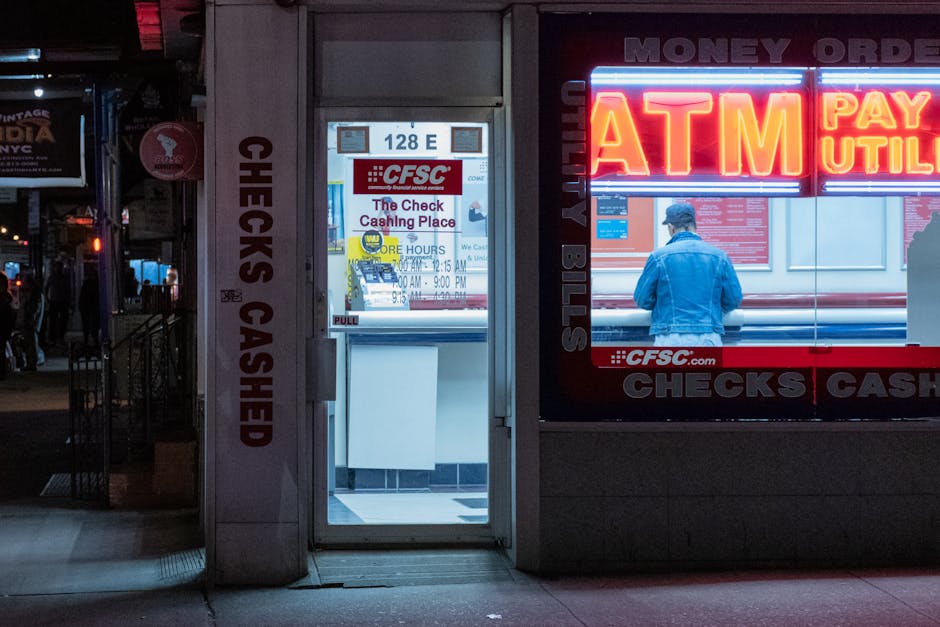
Losing cash right after an ATM withdrawal is one of the most time-critical situations you can face while travelling. Travel insurance may cover it, but reimbursement timing often hinges on one thing: whether you can prove the withdrawal happened, the cash was stolen, and the amount you’re claiming.
This article focuses on the proof trail—bank withdrawal records, police-report requirements, and how insurers categorize expenses—so you know what to gather first and what can slow the payout.
When Stolen ATM Cash Is Covered (and When It Isn’t)
Cash theft vs. robbery
Policies don’t always treat “stolen cash” the same way. Many insurers are stricter with plain cash theft unless the event fits a covered scenario such as robbery (for example, theft involving threat or force). If the policy wording is vague, claims handling usually becomes documentation-heavy.
ATM location and timing
Insurers typically want a clear link between the ATM withdrawal and the theft. If the withdrawal is hours (or days) away from the theft, it’s harder to show the cash claimed is the cash that disappeared. You’ll still be able to try, but expect more scrutiny.
Policy wording matters more than the label “ATM theft”
Even if you tell the insurer “ATM cash was stolen,” the contract may define coverage using terms like “cash,” “cash withdrawals,” “theft,” “robbery,” or “personal money.” Your payout timeline can shift based on whether the insurer treats your claim as:
- A straightforward covered theft
- A cash-related claim with extra evidence requirements
- A claim that’s partly excluded, where only certain associated costs are payable
Proof Trail That Speeds Up a Claim
Bank withdrawal evidence
Your proof trail starts with the withdrawal itself. Insurers generally expect records that show the withdrawal date, time, location (at least generally), and amount.
Common documents that strengthen a stolen-cash claim include:
- ATM transaction receipt (if you kept it)
- Bank statement or account transaction history showing the cash withdrawal
- A bank app screenshot/export with withdrawal details (date, amount, terminal/merchant reference where available)
- Card details showing the withdrawal method used (debit/credit) and card last digits
- Evidence you attempted to access funds through the correct channels (for example, what you did after the theft)
- A short personal timeline (when you withdrew, when you noticed the loss, and what happened next)
Why this matters for timing: insurers can’t confirm the “amount claimed” without a bank trail. If the withdrawal amount can’t be verified, the insurer often puts the claim on hold until it receives missing proof.
Police report and incident documentation
Many insurers require a police report (or an incident reference number) for theft of cash, especially where there’s no accompanying transaction receipt. The report doesn’t need to be a novel, but it must match your claim:
- The date and location of the incident
- The type of incident (the theft/robbery as described)
- The amount you reported as stolen
- Any case or reference number the police provide
What slows reimbursement: if the police report is delayed, incomplete, or inconsistent with your bank withdrawal records, the insurer may request amendments and extend the timeline.
How to submit your evidence in one package
You can reduce delays by submitting the same evidence set up front rather than sending documents in waves. A complete first submission typically helps the claim handler close the file faster.
Aim to include:
- Withdrawal proof (bank/receipt)
- Police reference report (or the insurer’s acceptable equivalent)
- A written claim form with the same numbers used in your documents
- Any receipts for additional reimbursable expenses (see next section)
Expense Categories and Limits Insurers Typically Apply
Replacement cash and card-related costs
Even when insurers will not reimburse “cash you lost” beyond a set limit, they may reimburse certain related costs depending on the policy. For ATM-related incidents, the insurer may focus on what you did to regain access to money.
Expect reimbursement categories (where covered) to look like this:
- Replacement cash acquired via emergency arrangements (subject to limits)
- Emergency cash advances or cash-replacement fees linked to the stolen funds
- Costs of replacing a stolen payment card or documents (if your policy covers them)
- Fees charged by the issuing bank for fraud-related or incident-related processing
- Reasonable charges that were necessary to manage the incident while travelling (not everyday spending)
Emergency transport and accommodation
If the theft immediately left us stranded—unable to get home, unable to access transport, or unsafe in your current location—your policy may reimburse reasonable emergency travel or accommodation. The insurer usually wants a direct connection to the incident and a sensible cost level.
What to watch: insurers often require receipts and may decline claims that look like routine comfort upgrades rather than incident-response costs.
Limits, deductibles, and evidence requirements
Two factors influence timelines here:
- Limits: If your claim amount is above your policy’s cash-theft limit, the insurer may still process the incident but will ask for documentation to confirm the eligible portion.
- Deductibles/excess: Some policies apply an excess to theft claims. If the claim is already close to the deductible threshold, a small missing item or mismatch can trigger extra requests.
The practical result is that your payout timeline can become “evidence-led” rather than “event-led.” The insurer pays when it can confidently calculate what’s payable.
Reimbursement Timelines: What to Expect
Initial review and document requests
Most reimbursement delays come from the “front end” of the claim: the insurer verifies the withdrawal and then checks whether your theft qualifies under the policy.
You’ll typically see the claim move through phases:
- Claim acceptance after a basic form check
- Evidence verification (withdrawal proof and incident documentation)
- Assessment of category eligibility (cash-only vs. cash plus related costs)
- Payment calculation (limits, excess, and policy terms)
The more complete your bank and police documentation is at submission, the less likely the insurer is to stop the process mid-way.
Payment method and processing delays
Once the claim is approved, payment timing can vary based on:
- Whether you provided bank details in the correct format
- Whether the insurer pays by bank transfer or reimbursement cheque
- The insurer’s internal processing backlog at the time
Even for a clean claim, payout may not be immediate after approval—administration can add extra time.
Why timelines stretch
Reimbursement timelines are commonly extended when one of these happens:
- The bank record doesn’t clearly match the amount claimed
- The police report is missing, delayed, or lacks an incident reference
- The claim describes the theft differently than the police statement
- Receipts for reimbursable categories (transport, card replacement, emergency cash arrangements) are missing
A practical takeaway: timelines are usually shortest when the insurer can calculate the claim in one pass without asking for clarification.
Avoiding Claim Delays and Denials
Common reasons for refusals
Travel insurance claims for stolen cash can be declined when:
- The policy excludes cash theft unless it meets the definition of robbery/assault
- The theft can’t be linked to a specific withdrawal period
- Your claim amount can’t be verified from bank records
- Required incident documentation (often police) isn’t provided
The insurer doesn’t typically want a debate; it wants documentation that fits the policy wording.
Missing proof and inconsistent amounts
The most common slowdown is inconsistency. For example, if your claim states a higher amount than your bank withdrawal record, or if your timeline doesn’t match the police report date, the insurer must pause to reconcile facts.
To prevent this:
- Use the exact withdrawal amount shown on the bank transaction
- Match dates (withdrawal date, incident date) across every document
- Keep your written narrative aligned with what the police report says
Choosing the right claim approach
When cash is involved, some travellers focus on claiming “every loss,” but policies often split the payable portion into categories (cash vs. related emergency expenses). If your claim strategy aligns with how the policy handles cash, reimbursement can be faster.
If you’re unsure whether the event fits the policy’s “robbery” definition, avoid guessing in a way that contradicts your documentation. Stick to factual details and let the insurer apply the policy terms.
What to Do Next
Before you submit, gather the bank withdrawal evidence and secure the police incident reference (if required) so the insurer can verify the amount quickly. Then prepare a single, consistent claim packet: withdrawal proof, incident documentation, and any receipts for reimbursable costs. If anything is missing, address it before you finalise the claim—this is what most directly affects reimbursement timelines.