

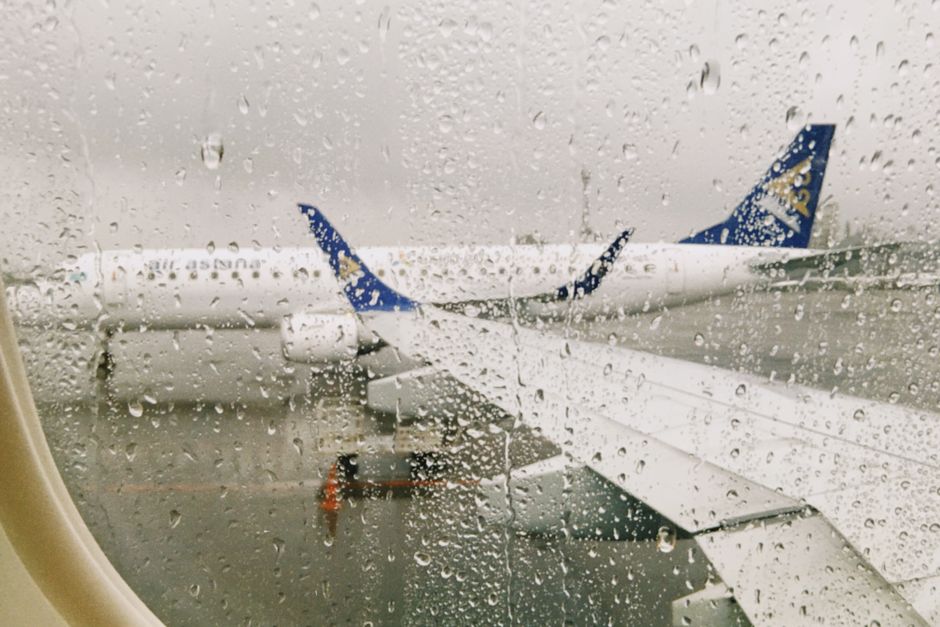
If bad weather delays your departure, travel insurance can help—but only if the policy wording matches how the delay is recorded. The tricky part is that “trip delay” coverage is strict about the waiting period, the cause, and what you can prove.
Below, you will find the key things to check before you buy (or before you submit a claim).
How Delay Thresholds Work
Waiting period and how it’s measured
Most insurers only pay for delays that meet a minimum time threshold. The waiting period is usually measured from the scheduled departure time (or sometimes the scheduled time of the connection) until the carrier’s confirmed new departure time.
Common patterns you will see in policies include:
- Shorter thresholds (for example, 4–6 hours) for “delay” benefits
- Longer thresholds (for example, 8–12 hours) for more significant benefits like accommodation support or higher caps
Because thresholds vary by insurer and by the type of cover you buy, you should treat the “minimum delay” requirement as the first gate your claim must pass.
Per-person vs per-trip benefits
Delay benefits are often calculated per insured person, not per booking. That matters if you are travelling as a couple or with family—your expenses might be shared, but the policy may still treat coverage separately.
If you are travelling under multiple tickets (separate reservations, separate airline tickets for legs), check whether the policy treats them as one trip or separate journeys for benefit purposes.
Multiple legs and missed connections
Bad weather can cause knock-on effects: a delayed inbound flight can lead to a missed connection and a later arrival. Policies may handle this in two ways:
- As a “trip delay” at the start of the disruption
- As a “missed connection” or “extended journey” benefit
If your policy distinguishes between these events, verify which benefit you can claim—because it will affect the threshold and the documentation you need.
Expenses That Typically Qualify
During the delay: essentials you must cover
When a policy covers trip delay due to bad weather, it usually targets the out-of-pocket costs you cannot avoid while you wait or while you re-route. Typical categories include:
- Meals and drinks if the delay prevents you from eating as planned
- Reasonable accommodation if the delay carries into the night
- Local transport from the airport to lodging (or between airports)
- Phone, internet, and communication costs needed to coordinate travel
- Essential travel items if you need them immediately due to the delay (for example, basic toiletries)
Insurers generally expect these expenses to be “reasonable” and directly linked to the delay.
If you need to change plans: rebooking and extra transport
Some policies cover additional transport costs when you must take an alternative route or later flight because of the delay. This may include:
- Rebooking fees charged by the airline or travel provider
- Additional public transport or taxis to reach your next planned point of travel
However, coverage is usually limited by a maximum amount and often only applies when the alternative is arranged due to the disruption (not because you simply prefer a different schedule).
What’s often not included
A common reason for disappointment is assuming that trip delay cover will pay for losses that are actually covered under a different section of your insurance (or not covered at all). Things you should expect to be limited or excluded include:
- Losses tied to cancellations or missed activities that were never covered under the policy’s cancellation/interruption sections
- Non-essential upgrades (business-class moves when economy would still meet the insured condition)
- Costs you would have had anyway, even if the delay makes them less convenient
- Expenses without itemised proof
When in doubt, read the policy wording for “trip delay” versus “trip interruption” and “cancellation,” because insurers often separate these events.
How Insurers Verify the Cause and the Money
Proof of the delay and the bad-weather cause
To pay a trip delay claim, insurers typically need evidence that the flight (or connection) was actually delayed and that the disruption matches a covered cause.
Expect to provide some combination of:
- An airline delay confirmation or email showing the original schedule and the new schedule
- A record of the affected flight(s) and the duration of the delay
- Documentation showing the cause classification used by the airline (bad weather, weather, or operational disruption tied to weather)
Even when bad weather is obvious, insurers still usually require that the delay be documented in the booking/airline record. If the airline records the reason under a category that your policy excludes, coverage can become complicated.
Receipts, itemisation, and what “reasonable” looks like
For expenses, the verification is usually receipt-driven. You typically need itemised receipts showing:
- The vendor name and location
- The date and amount
- What was purchased (so the insurer can judge whether it’s within the “reasonable” limits)
Card statements sometimes help, but they rarely replace itemised receipts for accommodation and meals. If any receipt is not in the insurer’s accepted language, you may be asked for a translation.
Timelines: when you must submit and what to keep
Many insurers require claims to be submitted within a specific timeframe after the disruption. They also expect you to keep documentation that supports:
- The delay duration
- The expenses you incurred because of it
- Any alternate travel you booked
Before you go, you can reduce stress by saving screenshots or PDFs of all confirmations (original itinerary, rebooked itinerary, receipts, and messages from the airline).
How to Avoid a Denied Claim
Policy wording traps that catch travellers
Trip delay claims are denied most often for reasons that are easy to miss in the fine print. Before you rely on your policy, check for wording around:
- The delay threshold (minimum hours) and what time reference is used
- Whether the delay must be due to “bad weather” specifically, or “weather-related” causes including operational knock-ons
- Whether your benefit is capped per person, per trip, or per delay event
- Whether accommodation and meals are covered only after the waiting period is met
- Whether the policy requires that delays are documented by transport providers
Practical claim checklist you can use right away
Before you buy (and again before you submit), use this checklist to confirm you can actually claim:
- Confirm the exact waiting period/threshold and how it is calculated (from scheduled departure, connection time, or another reference)
- Check whether “bad weather” includes weather at the departure point, destination, or along the route (policies differ)
- Verify what categories of expenses are covered (meals, accommodation, transport, communication) and whether there are per-day or per-claim caps
- Read how the policy treats missed connections and alternative flights—whether they fall under the delay benefit or a separate section
- Look for the documentation list in the claims section so you know what proof the insurer will ask for (airline delay notice, booking records, receipts)
- Check whether coverage starts only after the minimum delay is reached, not from the moment your flight is disrupted
- Verify limits on accommodation (for example, “reasonable” hotel costs) and whether premium upgrades are excluded
- Check exclusions that commonly affect weather-related journeys (for example, certain events categorised separately from weather)
If you are already on the trip, take photos of your receipts as soon as you get them, and keep the airline confirmation trail together.
Next Steps
If you are comparing policies, start by matching the delay threshold and the listed covered expenses to the kind of itinerary you have (short hops vs multi-leg trips). Then, plan your claim paperwork in advance: save the airline delay documentation and keep every itemised receipt.
When you are ready, re-check your policy wording against your own travel dates and booking structure so you know which benefit you can realistically claim.