

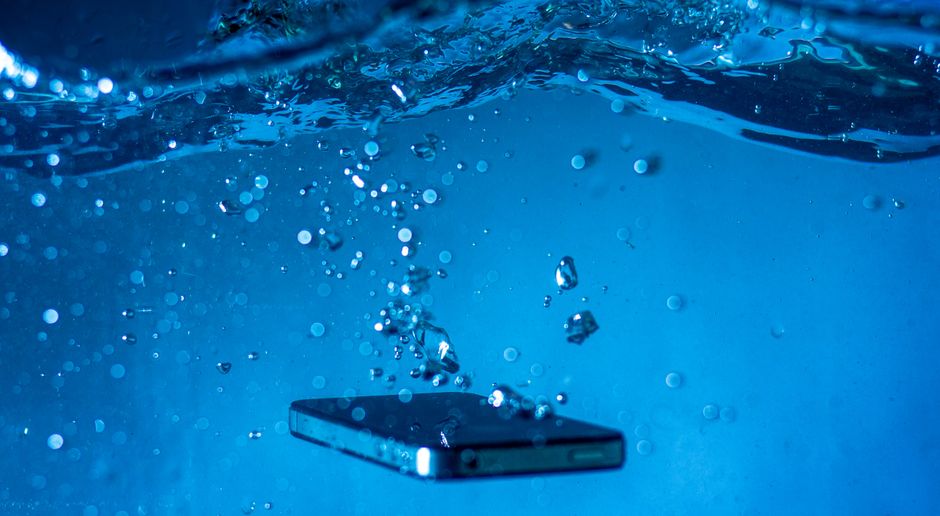
Water damage is one of those travel problems that feels obvious to you (“it got wet”), but insurers judge claims by wording. Before you buy or file a claim, you’ll want to understand what your policy means by “accidental damage”, which liquid events count, what proof you must provide, and which exclusions are most common.
Below, you’ll find the practical way to read the fine print—especially for phones and laptops.
What Most Policies Mean by “Accidental Damage”
Most travel insurance plans don’t list “water damage” as a standalone category. Instead, they cover water damage only when it falls under a broader label like accidental damage (sometimes under “accidental breakage” or “unexpected damage”).
Accidental damage usually means a sudden, unintended event
You’re typically covered when damage happens because of a one-off incident you didn’t plan—like a drink spill into a bag, a splash at the beach, or a device dropped into a sink at a hotel.
What matters is usually that the event is sudden and unintended, and that the damage is not described as wear-and-tear.
Water/liquid claims often fall under “sudden and unexpected”
Many insurers treat liquid-related damage as accidental if it’s clearly tied to an incident during your trip. If the wording says something like “sudden and unforeseen,” insurers often look for a clear trigger, not gradual problems.
Policy wording can limit what you claim for
Even when accidental damage is included, there may be limits such as:
- a per-claim or per-item limit
- a deductible/excess you pay first
- requirements to use a repair service (or to get an estimate before replacement)
What Counts as Water or Liquid Damage to Phones and Laptops
Water damage isn’t just “it fell in the sea.” For claims, you’ll usually need to show the device was exposed to a liquid and that the exposure happened during your trip.
Submersion usually counts—if it’s not “ongoing” or unreported
Being submerged (in a pool, toilet, bath, or sink) is the most straightforward scenario. Policies tend to treat it as accidental liquid damage when you can connect it to a specific moment.
Be prepared to explain:
- what happened (spill, drop, submersion)
- when it happened (roughly, during which day)
- what failed afterward (screen won’t power, speaker crackling, keyboard stopped, etc.)
Spills, splashes, and moisture can count too
Not every claim needs full submersion. Insurers may accept water damage after:
- a drink spill inside a case or bag
- a phone splashed in the rain or near a pool
- a laptop exposed to condensation (for example, a sudden temperature shift)
However, the less obvious the liquid exposure, the more proof you’ll need.
Saltwater, sea spray, and humidity are often treated as liquid exposure
Saltwater and sea spray can be particularly damaging because corrosion builds over time. Many policies still treat this as liquid damage, but they may scrutinise timing—especially if corrosion progressed over days and you didn’t report the incident quickly.
Practical tip: you’ll generally have a better chance when you act quickly—stop using the device, dry it properly, and get it checked.
Proof and Documentation: What Insurers Typically Require
If you want your claim to move beyond the “we need more information” stage, your goal is to show three things:
- What happened
- When it happened
- How the device was damaged
Evidence that supports accidental water damage claims
Many insurers request a combination of incident proof and damage proof. Commonly helpful documents include:
- photos or short video showing the device aftermath
- a repair quote/estimate from a technician or service centre
- a dated receipt for the device (or proof of purchase)
- serial number/IMEI details (for phones, if you have them)
- a written incident timeline (where you were and what happened)
The repair assessment can be more important than your explanation
Even if you’re certain it’s water damage, insurers often prefer a technician’s findings—especially when the failure could also be caused by impact or a power surge.
If a repairer documents corrosion, moisture ingress, or liquid-contact indicators, it strengthens the link to the incident.
Expect delays if the device wasn’t checked soon
A common pattern in denied or delayed claims is waiting too long. If corrosion worsened after a device was left powered on, or if it sat for days before inspection, you may face questions about whether the damage is truly from the original accident.
Common Exclusions for Phone and Laptop Water Claims
Even with “accidental damage” cover, exclusions and limitations are common. You’ll want to read for wording around negligence, screen damage, and wear-and-tear.
Negligence and preventable damage
Many policies exclude claims where the damage results from carelessness, especially if you ignored warnings (for example, using a device that clearly shouldn’t be exposed to liquid).
You don’t have to be perfect, but insurers may question behaviour like:
- continuing to use a wet device after it stopped functioning normally
- failing to seek any support while the damage was actively worsening
- storing an exposed device in an obviously unsafe way for the activity
“Cracked screens only” and cosmetic-only damage
Screen damage can be tricky. Some policies cover broken screens as accidental damage, but they may exclude cases where the loss is only cosmetic or where a cracked screen claim doesn’t match the cause.
If the device is water-damaged internally, you generally want the repair report to show that. If the repair report only describes surface damage, your claim may be treated as outside the policy’s liquid-damage coverage.
Gradual damage, poor maintenance, and wear-and-tear
Insurers often exclude:
- deterioration from age
- effects of general humidity over time
- failures from lack of maintenance
That’s why the timeline matters. A one-off spill is usually easier to support than ongoing “it never fully worked after the last trip.”
Internal battery issues and “secondary damage”
Some policies treat battery failures and corrosion-related issues differently depending on the exact wording. If liquid exposure led to a battery failure days later, you may still be covered, but insurers may challenge whether the battery fault is part of the original accident or an unrelated defect.
Repairs done without approval
Certain policies want you to use an approved repair route or to get approval before authorisation for replacement. If you replace the device immediately without any assessment, coverage can become harder to prove.
How to Get a Water Damage Claim Right the First Time
You don’t need to overcomplicate it, but you do need a clear sequence: document, protect the device, then submit.
What to do immediately after the liquid accident
If your phone or laptop gets wet, focus on actions that help both the device and the claim.
A sensible order is:
- stop using the device as soon as it’s safe to do so
- power down if it’s on (avoid repeated attempts to “test it”)
- dry it carefully and avoid charging it
- document what happened (photos/video, date, and location)
Get an assessment before replacement
For both phones and laptops, a technician’s estimate is often the strongest bridge between your story and the insurer’s requirement.
If you can, ask the repairer to describe:
- whether moisture ingress is evident
- what components are affected
- whether the damage aligns with liquid exposure
File with wording in mind
When you write your claim statement, mirror the policy terms. If your policy says “accidental damage,” describe the incident as an accidental, sudden event.
Avoid vague statements like “it broke in the bathroom.” Instead, use something closer to:
- what the device was doing
- where you were
- how it encountered liquid
- what happened afterward
Also, double-check whether your policy covers “liquid damage” specifically or only when it’s “accidental” and “sudden.” That determines how you frame the claim.
Final Steps: Check the Cover Before You Trust It
Before you rely on a policy, read the section that defines accidental damage and the exclusions around negligence, wear-and-tear, and cosmetic-only damage. If you’re already travelling, take a quick photo of your receipt/serial details so you can respond fast if something happens.
When a water accident occurs, document the incident, get a repair estimate, and submit your claim using the same language the policy uses for coverage.