

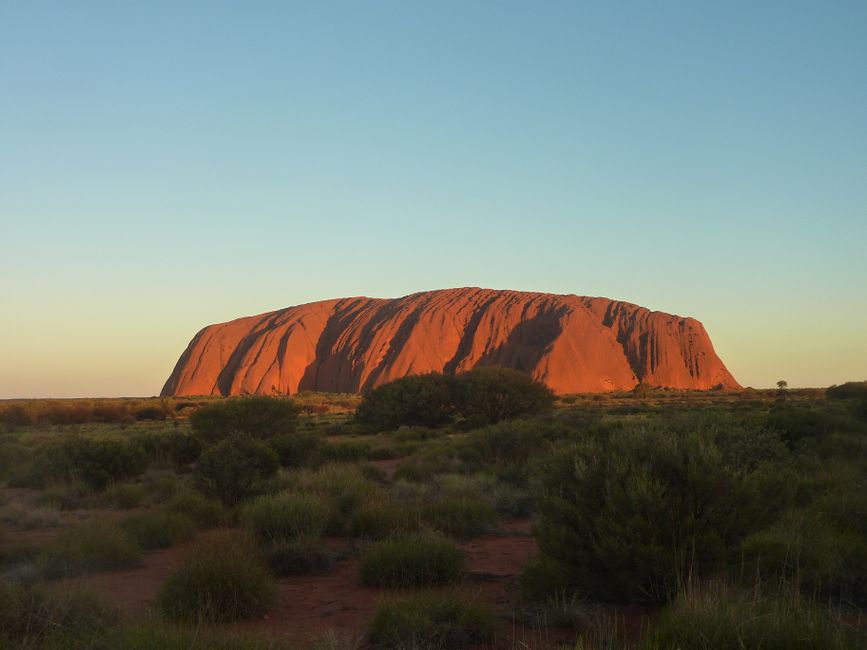
You can turn Uluru and Kata Tjuta into a self-guided day trip from Alice Springs, but it’s a long drive and a big day on your feet. The route is straightforward—mainly sealed highways—but you’ll want an early departure, a pre-decided order for the sights, and a walking plan that matches the heat.
Below is a practical way to plan it without relying on a tour vehicle, including where to spend time at Uluru, how to approach Kata Tjuta, and what to watch for on the drive back.
Reality Check: What a Self-Guided Day Trip Really Means
The distances add up fast
Alice Springs to Uluru is roughly a 4.5 to 5.5 hour drive one way (depending on road conditions and breaks). From Uluru, Kata Tjuta is close enough for a same-day stop—typically around an hour’s driving time plus time for parking and walks. That means you’ll be packing your day with transitions: drive, park, short walk, view, then drive again.
A self-guided day trip works best if you:
- Leave Alice Springs very early (often before sunrise)
- Prefer short, focused walks over long hikes
- Accept that you’ll do fewer viewpoints than someone staying overnight
What self-guided covers (and what it won’t)
Self-guided here means you handle everything: driving, parking, entry logistics for the national park, and the walks you choose. You’ll still want a plan for where you’ll start and how you’ll pace yourself so you don’t get trapped by time once you’re on-site.
If you want a relaxed pace—especially during the hottest months—consider an overnight in the Yulara area. For many travellers, a day trip is possible, but it’s tight.
Uluru: The Stops That Fit Into One Day
Build your day around a short, sensible route
Uluru is massive and the best views are spread around the central area. Instead of trying to do everything, aim for a route that mixes orientation, cultural context, and one walking option.
To keep it realistic, include most (or all) of these stops:
- Uluru-Kata Tjuta Cultural Centre for orientation and background before you walk
- Uluru Base Walk (Kuniya Walk section) if you want a gentle start and views from ground level
- Uluru Base Walk (Mala Walk section) if you’d rather focus on one longer walking segment
- Uluru sunrise or sunset viewing area depending on your exact departure time
Choose your base-walk level
A full circuit around Uluru is longer and better suited to travellers who stay longer than a day. For a day trip, the smartest move is picking one base-walk section and sticking with it.
As a rule of thumb:
- If it’s hot, commit to the section that matches your energy and turn back early
- If it’s cooler, you can add a second short walk, but only if you’re not cutting it too close for Kata Tjuta
Watch the terrain. Even “short” walks can be uneven, and the surface can feel hotter than you expect when the sun is up.
Plan your best light for photos
If you depart Alice Springs early enough, sunrise at Uluru can be achievable. If not, aim for late morning or late afternoon light and prioritise one major viewing moment.
For a self-guided day trip, it usually works better to treat sunrise/sunset as optional “bonus time” unless your timing is already tight.
Kata Tjuta: How to Make It Meaningful Without Overrunning Your Day
Pick one major walk at Kata Tjuta
Kata Tjuta (the Olgas) is a collection of domes and valleys. The walks vary from “doable” to “proper hike,” and it’s easy to overcommit on a one-day schedule.
A practical way to structure it is to choose one of these options:
- Valley of the Winds (shorter walk options) for domes, shade pockets, and big views without a long time commitment
- Valley of the Winds (longer walk option) if you’re comfortable walking for several hours and you’ve planned your return drive
- Walpa Gorge lookouts if you want a viewpoint-focused stop with minimal walking
Match your walk choice to the heat
Valley walks often involve sun exposure with limited shelter. If you’re travelling in warmer months, err on the shorter side. Even if you feel fine at the start, the combination of sun, stairs, and dry air can change how quickly you feel.
If you’re unsure, start with the shortest option and reassess at the first key turnaround point—don’t push into “maybe it’ll be fine” territory.
Leave buffer time for parking and re-positioning
Once you’re on the Kata Tjuta side, you’ll want to park, move quickly between walking sections and viewpoints, then return to the car. In peak periods, it can take longer than expected to park and to walk back to the next stop.
Treat Kata Tjuta as the part of the day where you protect time for the drive home.
Driving From Alice Springs: Fuel, Breaks, and a Clean Timeline
Start with a simple order and time blocks
For most day trips, a workable order is:
- Drive into the Uluru area early
- Spend focused time at Uluru (orientation + one base-walk option + one major viewpoint)
- Drive to Kata Tjuta
- Do one main walk or viewpoint set
- Head back to Alice Springs with a buffer
You’ll be tempted to “fit in” extra stops. For a day trip, the best approach is to treat each major sight as a block with an end time.
Fuel and roadhouse reality
There aren’t endless refuelling options on the way. Plan fuel before you depart, then use roadhouses for breaks and water refills. If you’re driving in summer heat, don’t assume the car will run efficiently if you’ve got heavy luggage or you’re towing.
Bring cashless payment options and keep a small buffer of snacks and water in reach—roadside stops can be busy and not all breaks are equally comfortable.
Parking strategy once you’re at the sights
When you arrive, park, lock in your first walking option, and avoid unnecessary backtracking. The quickest wins are:
- Use designated car parks rather than stopping on the roadside
- Check walk start points so you don’t waste time once you’re outside the car
- Carry water and a hat before you step out
A good day trip feels efficient because you’re moving with purpose, not because you’re rushing.
When to Go and Desert Comfort Tips
Seasonal timing: cooler months help most
If you want an easier day trip, aim for the cooler parts of the year. Summer in Central Australia can be punishing for walking, and a self-guided day trip leaves you with fewer chances to recover.
In warmer months, start earlier and shorten walking segments. In cooler months, you may be able to add a bit more time at Uluru or choose the longer Kata Tjuta option.
Heat management isn’t optional
On a day trip, your biggest risk isn’t getting lost—it’s walking too long in dry conditions. Plan for it by:
- Taking breaks before you feel exhausted
- Drinking regularly, not only when you’re thirsty
- Keeping a hat and sun protection on from the moment you leave the car
If the walking conditions feel harder than expected, scale back immediately. You’ll enjoy the day far more if you finish feeling like you chose well, not like you barely made it.
Cultural respect: follow guidance and signage
Uluru is a place of deep cultural significance. You’ll see area restrictions and guidance intended to protect both people and cultural sites. Stick to paths, viewpoints, and instructions provided on-site.
If something looks like “a quick detour,” treat it as a no-go unless signage explicitly allows it.
What to Do Next Before You Go
Decide whether your day trip goal is “maximum sights” or “best experience.” If you want the best chance of a calm, enjoyable day, choose one Uluru base-walk section and one Kata Tjuta walk option, then build your driving timeline around those choices.
On the morning you leave Alice Springs, check conditions, refill fuel and water, and aim to arrive at Uluru early enough to start your first walk while the air still feels manageable.