

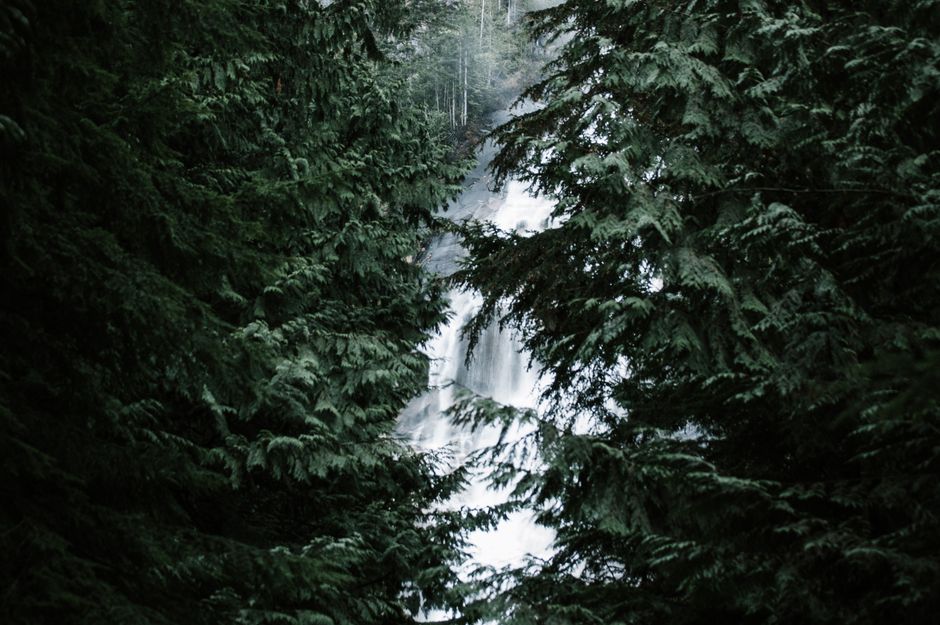
Vancouver is surrounded by water, forest, and cliffs—and you don’t need a car to reach some seriously scenic waterfall spots and viewpoints. The best options for public transport usually combine SkyTrain or local buses for the first leg, then a short walk or a ticketed attraction on top.
Below are practical day trips (all doable as a long day) focused on waterfalls and lookout-style scenery.
Waterfall Day Trips You Can Do in One Day
Lynn Canyon Falls (Lynn Canyon Park, North Vancouver)
Lynn Canyon is one of the easiest waterfall-and-views combos to reach from Vancouver by transit. The park area gives you multiple walk options, and the waterfall is a highlight when conditions are wet.
How to get there by public transport
- Take SkyTrain toward the North Shore, then connect to a bus for Lynn Valley.
- From the bus stop, it’s usually a short uphill stroll to the main suspension bridge and canyon paths.
What to do
- Start with the suspension bridge viewpoint (for canyon views), then follow paths that lead toward the waterfall area.
- If you want a calmer route, choose the flatter canyon walks rather than the steepest loop options.
Time and crowd notes
- Plan roughly 2–4 hours on-site plus your transit time.
- Weekends and sunny evenings get busy, so leaving earlier helps.
Burnaby Falls (Burnaby)
Burnaby Falls is a straightforward waterfall destination once you’re in the right neighbourhood. It’s a good choice when you want something nature-focused without committing to a full day trip out of town.
How to get there by public transport
- Use SkyTrain/buses to reach Burnaby, then walk from the nearest stop into the park area.
- Allow extra time for the “last stretch” because the approach roads and entrances can be quieter than you’d expect.
What to do
- Follow the main trail toward viewpoints over the falls.
- Pair it with a longer park walk if you still have energy after the waterfall.
Time and crowd notes
- Expect 1.5–3 hours for a relaxed visit.
- In rainy periods, the falls look best—but the ground can be slippery, especially near rock edges.
Shannon Falls (Sea-to-Sky Corridor near Squamish)
If you want a waterfall that feels properly “out of Vancouver,” Shannon Falls is the classic pick. This is also the one that’s most dependent on road conditions and daylight.
How to get there by public transport
- Take a regional bus toward Squamish.
- From Squamish, you’ll typically need a short connection (often by foot if you’re comfortable with the walk, or by a short taxi/shuttle if you want to avoid a long detour).
What to do
- The falls area is set up for viewing from roadside and trail viewpoints.
- Build in time for photos and a short walk—this spot is best when you’re not rushing.
Time and crowd notes
- Build a long day: transit alone can take most of the morning and afternoon.
- It can get crowded on peak weekends; weekdays are usually smoother.
Viewpoint Day Trips for Big Coastal and Mountain Scenery
Grouse Mountain Lookouts (North Vancouver)
Grouse Mountain is a viewpoint destination first, with easy “reach the top and look out” options compared with hiking. You’ll get wide views over the city, mountains, and (when visibility is clear) the coastline.
How to get there by public transport
- Take SkyTrain toward North Vancouver, then connect to a bus to the Grouse Mountain area.
- From there, you’ll use the mountain’s transport up (ticketed) or a set of walking routes if you prefer stairs and time.
What to do
- Focus on the main lookouts rather than trying to cram in multiple activities.
- If the weather is poor, prioritise indoor options and viewpoints that are sheltered from wind.
Time and crowd notes
- Plan half day to full day depending on whether you use the mountain’s transport.
- Aim for earlier time slots on weekends to avoid long queues.
Capilano Suspension Bridge (Capilano River Canyon, North Vancouver)
Capilano is a canyon-and-canopy viewpoint day. Even though it’s known for the bridge, it’s also about height, river canyon scenery, and layered views over forest.
How to get there by public transport
- Use SkyTrain and buses to reach North Vancouver, then walk the final stretch to the attraction area.
- Allow buffer time in the late morning/afternoon when traffic around the access roads can slow down connections.
What to do
- Do the main bridge first, then move through nearby treetop or canyon walkways.
- If you’re travelling in cooler months, you’ll appreciate routes that stay manageable in wind and damp conditions.
Time and crowd notes
- Expect 2–3 hours as a realistic pace for the core experience.
- It’s often busier in peak seasons; arriving earlier makes a noticeable difference.
Whytecliff Park & the Lighthouse Loop (West Vancouver)
For coastal viewpoints without a car, West Vancouver’s parklands are a strong bet. Whytecliff gives you dramatic sea cliffs and shoreline views, especially when the sky is clear.
How to get there by public transport
- Use buses that run along the West Vancouver waterfront corridor.
- From the closest stop, you’ll walk to the park entrance and loop trails.
What to do
- Choose the shorter lighthouse/shoreline loop for views that feel “far away” while still being doable by transit.
- If you’re planning to shoot photos, aim for softer light and bring a rain layer—coastal wind is common.
Time and crowd notes
- Plan 1.5–3 hours for the loop plus time at the lookout points.
- On blustery days, stay back from the cliff edges and avoid windy rest spots.
When to Go (So the Waterfall Looks Like a Waterfall)
For stronger waterfall flow
Waterfalls look best when there’s recent rain or snowmelt upstream. Late winter into spring often delivers dramatic cascades, and wet weather days can be great—even if you need extra time for slippery trail footing.
For clearer viewpoints
Viewpoints depend heavily on visibility. If you want coastal and city views from Grouse Mountain or West Vancouver, pick a day with clear skies (or at least a shorter window of decent weather). Cloudy days still work for walking, but you’ll see less beyond the tree line.
Quick seasonal guidance
- Spring: good waterfall conditions; pack for cool, wet mornings.
- Summer: longer daylight and comfortable walking; waterfalls can look thinner during dry spells.
- Autumn: changing light and calmer trail vibes on weekdays.
- Winter: dramatic mountain atmosphere, but trails can be icy and daylight is shorter.
Getting Around by Public Transport (What Actually Works)
The transit formula from Vancouver
Most successful day trips follow this pattern:
- SkyTrain + bus to get you out of the downtown core.
- A short walk for the final approach to the park/trailhead.
- For longer-distance spots like Shannon Falls, a regional bus and then a last connection.
Timing tips that save your day
- Leave earlier than you think you need—especially for weekend services.
- Build in buffer time for transfers and for walking between the nearest stop and the real entry point.
- If you’re travelling in winter or after rain, plan slower walking pace (wet leaves and mossy rock add time quickly).
Next Steps
Pick one waterfall option (Lynn Canyon or Burnaby Falls for an easier day, Shannon Falls for a longer excursion) and one viewpoint option (Grouse Mountain or Whytecliff Park) based on your weather window. Then check the day’s transit timing and build in a buffer for transfers so you’re not rushing your walk loops. If you want, share your travel dates and whether you prefer shorter walks or longer hikes, and the route planning can be tailored to that pace.