

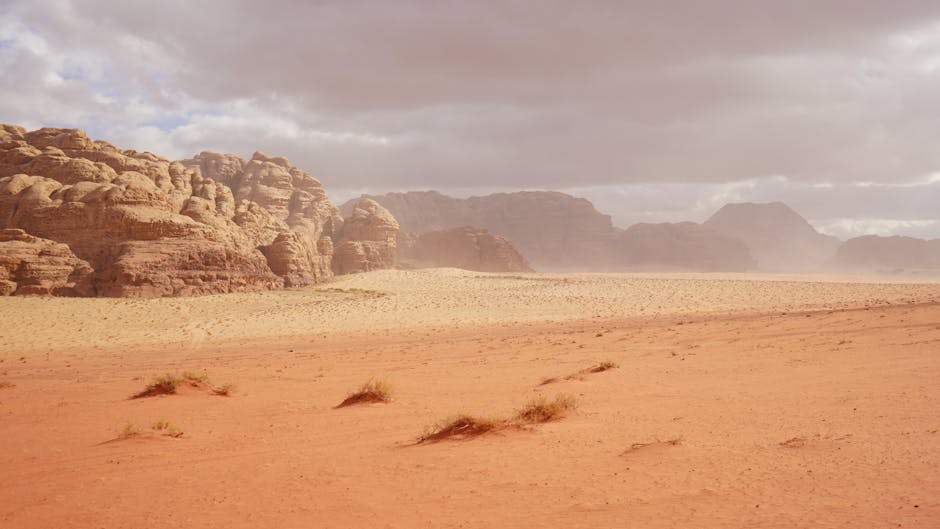
Getting From Aqaba to Wadi Rum (Without a Tour)
If you want the freedom of “self-guided” while still seeing the highlights, you’ll usually mix transport types: a car/transfer out of Aqaba, then careful movement inside Wadi Rum.
Choose a transport approach
You’ll typically have three practical options:
- Private car or hired driver: Easiest for timing. Ask to be dropped at the Wadi Rum Visitor Centre and for a clear pickup time for the return.
- Shared taxi to the visitor area: Cheaper, but less flexible. Expect waiting around and build buffer time into your schedule.
- Arrive under your own steam, then use an approved vehicle route: Even if you’ll “guide yourself,” the park’s roads/tracks and vehicle access may be restricted. Plan to follow what the visitor centre allows for your day.
Know your travel time buffer
On a normal day, Aqaba to Wadi Rum is usually about 1.5–2.5 hours each way depending on the route, road conditions, and where exactly you’re dropped off.
Planning rule: set aside extra time for check-in/permits and for slower walking on sand/rock once you’re inside.
Plan the pickup before you move
Self-guided trips fall apart when return logistics are vague. Before you go exploring, confirm:
- where you’ll meet your driver/transfer
- a latest safe pickup time (sunset comes fast in winter and early summer)
- what happens if there’s strong wind or a sandstorm
Tickets, Permits, and Park Rules You Can’t Skip
Wadi Rum is a protected desert area. Even when you’re not on a guided group tour, you must follow the rules at the entry point.
What you should expect to pay for
Exact fees can vary by season and vehicle use, but you should plan around:
- Park/entry fee (the standard ticket for entering Wadi Rum)
- Vehicle-related charges (if you’re travelling by vehicle through certain routes)
- Any required permits for the area you want to walk or drive into
Because fees can change, treat cost estimates as approximate and ask at the visitor centre for the current total before you commit.
Bring the right documents and payment
To avoid delays, have ready:
- your passport
- cash (many places can be easier with cash for small payments)
- any proof of onward travel if asked
Self-guided doesn’t always mean “no rules”
For beginners, the key is understanding what’s permitted for independent exploring.
- Ask whether you can walk freely in the areas you want.
- Ask whether you need to travel with an approved guide/driver for certain zones.
- Request a quick explanation of the route you can follow safely and where you should return to.
If the answer is “not without a guide,” you still can keep it flexible by using a short vehicle transfer and doing the majority of sightseeing on foot—just follow what the park staff require.
A Beginner-Friendly Desert Itinerary (Realistic Timing)
This itinerary is built for a full day and doesn’t assume you’ll move fast across sand. It also avoids the common beginner mistake: trying to cram too many stops so you’re back in the vehicle after dark.
Timing that usually works
A safe, workable rhythm is:
- Early start from Aqaba so you enter Wadi Rum with daylight
- Main scenic drive/walk first, then viewpoints as the light changes
- Return with a hard cutoff before sunset
In winter, daylight hours are shorter—so you’ll want the turnaround earlier.
Suggested route and stops
Use this as your “skeleton plan.” The order may shift slightly depending on your drop-off point and what the visitor centre allows.
- Wadi Rum Visitor Centre area – check in, confirm your allowed areas, and top up water.
- Khazali Canyon – a classic rock-and-sand walk where you can see desert textures up close.
- Lawrence’s Spring – a well-known stop for the historical desert water source.
- Seven Pillars of Wisdom viewpoint – aim for the clearest, most open vantage you can reach that day.
- Burdah Rock Bridge – a memorable natural arch when the sun catches the stone.
- Valley of the Moon / dune viewpoints – finish with wide desert scenery and softer light.
How to keep the day from feeling rushed
If any segment feels slower than expected (deep sand, strong winds, or heat), don’t “push through.” Instead:
- shorten the canyon walk and return to the main track
- swap a distant viewpoint for one closer to your route
- skip the final longer walk and focus on the best light you have
What to Pack for a Self-Guided Day in Wadi Rum
Packing is what turns “I can do this” into “I’m comfortable and safe.” For a desert day from Aqaba, prioritize hydration, sun protection, and navigation.
Essentials you should not leave behind
- Water: plan for more than you think you’ll drink; desert dehydration builds quickly.
- Sun protection: hat/cap, sunglasses, and sunscreen.
- Layers: mornings can be cool; evenings cool faster than you expect.
- Footwear: closed shoes with grip for rock and sand.
- Navigation: offline maps on your phone plus a backup method (a screenshot of your route).
Simple “comfort upgrades”
These don’t feel urgent until you’re in the heat:
- power bank for your phone
- a light snack you can eat without stopping for long
- a small towel/wipes for dust
Cash and timing planning
- keep small notes for entry/vehicle charges
- carry a rough schedule so you don’t end up waiting for transport in fading light
Safety Checklist for First-Time Desert Explorers
Wadi Rum is dramatic, but it’s still a remote desert. Your goal is to reduce risk and make it easy for rescuers if something goes wrong.
Before you head out
- Check the weather and avoid the day if conditions are volatile (especially strong wind).
- Tell someone your route and your expected return time.
- Do not travel alone if you’re unsure about allowed areas or navigation.
On the ground: avoid the biggest beginner mistakes
- Don’t drink “later.” Small sips regularly beat occasional big drinks.
- Watch footing: rock edges can be slippery; sand can hide uneven ground.
- Be ready to turn back early if wind picks up, temperatures jump, or visibility drops.
Flash-flood awareness
Even when rain is not happening right where you are, desert flash floods can follow storms in the wider area.
- If rain is forecast or you see storm activity, avoid low channels and return to higher ground.
Emergency-ready habits
- Keep your phone charged and carry offline maps.
- Know where you can regroup (visitor centre area) if you split from your transport.
- If anything feels off, prioritize returning safely over “one more stop.”
Next Steps: Lock in Your Plan
Start by confirming your pickup time from your Wadi Rum drop-off area and asking what’s permitted for independent walking versus vehicle-access routes. Then pick one clear itinerary (the six stops above) and build in buffer time so you can return before light fades.
If you’re travelling in a group, assign one person to navigation and one to water checks—small roles make a big difference in the desert.