


Hotel at a Glance: What Beaufort Is Built For
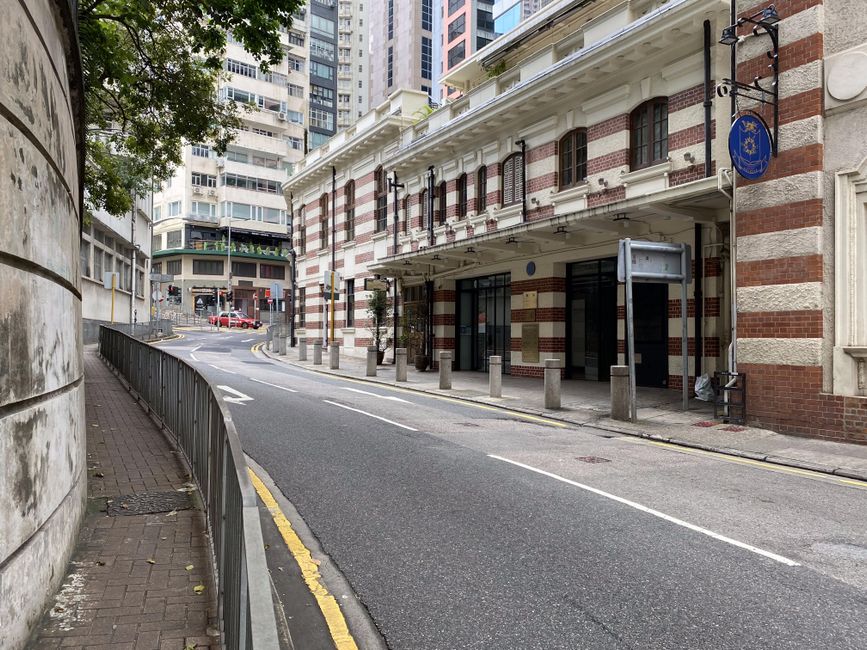
The vibe you can expect
This is the sort of hotel that aims for calm over chaos. In practice, that usually means:
- A more formal check-in feel than boutique hotels
- A guest mix that skews toward couples, business travellers, and people on multi-night city breaks
- More emphasis on indoor comfort than on being right in the middle of late-night streets
Room style and who it suits
Hong Kong hotel rooms can vary widely in how they handle space. At Beaufort, the bigger wins tend to be in the way the room is organised (so you can separate “getting ready” from “relaxing”) and in the quiet you’re able to claim at night—especially if you’re travelling with jet lag or you’re sensitive to street noise.
Room Layout and Sound Insulation: What to Expect

How the space is typically organised
When you’re comparing room categories, look for these layout cues:
- Whether there’s a separate sleeping area and sitting area (even a small separation helps)
- The amount of usable floor space around the bed and desk
- How the bathroom door and hallway circulation work (doors that close properly tend to reduce noise carry)
If you’re travelling as two people, a room with a clearer split between work space and rest space tends to feel more comfortable, especially in the evenings when one person might be reading while the other is winding down.
Quietness and noise control
For sound insulation, the key isn’t just the building—it’s also where your room sits.
- Rooms higher up generally feel quieter because they’re less affected by street-level activity.
- Rooms positioned away from lift lobbies or service corridors typically have fewer “background interruptions.”
- If you’re a light sleeper, consider that harbour-adjacent districts can still have nighttime movement even when the immediate street feels calm.
The practical takeaway: when you request a room, ask for quiet orientation rather than only focusing on the view. A great skyline outlook is only as good as your ability to rest afterward.
Quick booking checks for a smoother stay
Use these when you’re confirming your room details:
- Request a higher floor if you’re noise-sensitive.
- Confirm the view direction before paying for any harbour-view upgrade.
- Check whether the layout offers a separate lounge/sitting area or a more open plan.
- Ask about bed configuration and how the room handles extra sleeping arrangements.
- Choose rooms away from lift lobbies or areas with frequent foot traffic.
- If you’re arriving late, double-check room allocation timing so you don’t get delayed in busy arrival windows.
Harbour Views: Where Guests Usually Get the Best Outlook
Hong Kong’s harbour is the headline feature for many visitors, but “harbour view” can mean very different things depending on the room’s angle, the floor height, and what sits between you and the water.
What “best view” usually means here
In most harbour-focused hotels, the best results come from rooms that are:
- Angled toward the water (not just a distant skyline)
- On higher floors to reduce obstruction and street activity noise
- Positioned so you’re not looking past another building’s façade
When you book, treat view as something you should verify, not something you assume.
Corner rooms and skyline angles
Corner layouts (when available in your category) often give you a wider panorama, particularly for evening light and skyline displays. If you’re comparing options, you’ll typically notice two patterns:
- Some rooms favour a direct city skyline look with limited water emphasis.
- Others favour water-first framing, which is more satisfying if you plan to spend time near the window at night.
If harbour visuals matter to your trip, prioritise the room angle over the room size.
Location and Transit Access: Getting Around Without Stress
A big part of enjoying Hong Kong is how quickly you can reach the city’s main routes—especially when you’re balancing harbour walks with shopping, museum time, or business districts.
How the hotel’s position fits a typical itinerary
Waldorf Astoria Beaufort is set up for guests who want convenience. You can generally plan your days around:
- MTR access for most sightseeing and dining blocks
- Short taxi rides when you want to cut down walking distances (useful in heat or rain)
- Easy reach to major harbour-area destinations, where views and ferries often anchor the day
If you’re travelling in summer typhoon periods, having a hotel that doesn’t force long exposed walks between transit and dinner is a real benefit.
Airport and city travel in real life
Hong Kong airport transfers can be straightforward, but travel time can swing with traffic and weather. A practical expectation is:
- Allow enough buffer for peak-hour movement
- Build in extra time on wet days, when traffic and pedestrian flow both slow down
For daily movement around town, the MTR is usually the most time-efficient option, while taxis can help for direct rides when you’re carrying bags or you’re finishing late.
Nearby Neighbourhood Feel: What Your Evenings Tend to Look Like
Beaufort works best when you use the surrounding area as a launchpad: quick access to dining, shopping, and waterfront walking, plus the ability to retreat to a calmer hotel environment after busy days.
A mix of city convenience and harbour atmosphere
Hong Kong tends to be “walk out and find options,” but the experience changes street by street. Around harbour districts you’ll typically get:
- Restaurant density that makes it easy to change plans last minute
- Waterfront promenades for evening strolls and skyline photos
- Shopping pockets that keep you moving even when the weather is warm
Planning tips for evenings
You’ll enjoy the hotel more if you plan around the city’s rhythm:
- If you’re chasing the best skyline moment, schedule your harbour time earlier in the evening and then return for dessert.
- On busy nights, expect more competition for popular dining slots—reserve when you can.
- If you’re sensitive to noise, choose a harbour-facing room that’s also positioned away from the most active frontage.
What to Do Next
Before you book, double-check the room’s facing direction and floor level, not just the “harbour view” label. Then match the room layout to how you travel—if you’re working on the trip or sharing space with another guest, a more separated sleeping-and-sitting setup tends to make the stay feel smoother. Finally, confirm how the hotel is oriented for quiet at night so the harbour doesn’t turn into a trade-off for sleep.