


Rooms and Soundproofing: What to Expect
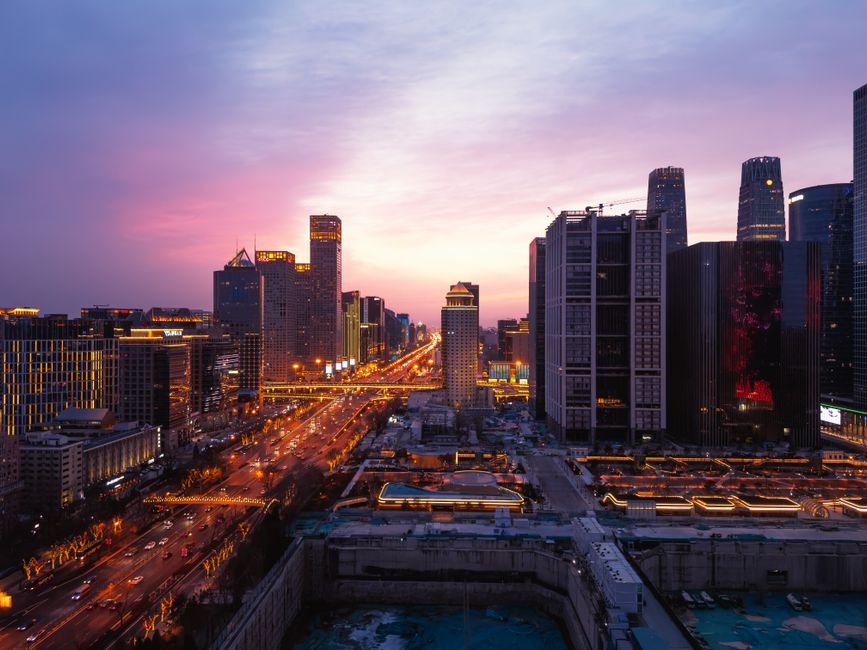
Layout and space that works in practice
Beijing stays are often about splitting your day between sightseeing and downtime, so the room layout tends to be more important than “pretty views”. In most high-end Beijing properties like this, you can usually expect:
- A straightforward sleeping area with a desk/work surface, ideally suited to planning tours
- A compact seating zone (sometimes a sofa, sometimes just two chairs) for unpacking and breakfast-in-room moments
- Storage that’s designed for longer stays (wardrobe space tends to be a key differentiator)
When you book, check the bedding type (king vs twin) and whether the room has a true separation between the desk area and the bed area. For couples, that separation helps with quieter mornings; for families, it can reduce the “one room, one space” feeling.
Noise control: what “quiet” usually means in Beijing
Soundproofing is rarely perfect in a megacity, but it’s often very good in this tier—especially for rooms higher up. That said, noise in Beijing can come from more than traffic: service doors, lift lobbies, and nearby construction can all change the experience.
To keep expectations realistic:
- Ask for a higher floor if you’re noise-sensitive
- Request a room away from elevator banks and service corridors
- If you’re travelling in summer and windows may stay open for airflow, you’ll hear more street noise than you would in cooler months
If the booking page offers a view category or “quiet room” note, treat it as a clue to confirm with the property rather than a guarantee.
Daily comfort: bed, work area, and getting settled
The practical goal is simple: after a day of walking (or metro rides), you want your room to function quickly. Look for:
- A desk that’s genuinely usable (not just for decoration)
- Sufficient outlets near the bed and work area
- A bathroom layout that doesn’t feel cramped when two people are getting ready
This is also where you’ll feel the difference between a room that’s built for business stays and one that’s built for leisure. High-end Waldorf-style properties generally lean business-friendly, with a stronger emphasis on desk space and efficient layouts.
Waldorf Club Access: Breakfast and Lounge Reality

What club access typically includes
At premium hotels in Beijing, club benefits usually revolve around three moments: breakfast, daytime snacks/tea, and evening light refreshments. What varies most is whether:
- Breakfast is served in the lounge, in a separate breakfast room, or as an add-on to a main restaurant
- The lounge offering is a true “meal replacement” or more of a snack spread
- Staff manage crowd flow smoothly during rush windows
Because these details can change by season and occupancy, treat your rate inclusions as the source of truth.
How the lounge experience differs from the main dining
Even when club access is “worth it” on paper, the reality can be less dramatic:
- Lounge breakfast can be quieter than the main breakfast service, but it may not have the same breadth of dishes
- Evening canapés and drinks are often lighter than a full dinner—satisfying for a pre-dinner stop rather than a complete meal
- During busy check-in periods and school holidays, lounge seating can fill up before you want to settle
If you’re planning on using club access as your primary breakfast, look for what “breakfast” means in your specific package before you arrive. If the property offers a club breakfast time window, confirm it.
When club access is worth paying for
Club access tends to be most valuable when you:
- Want a predictable, relatively low-effort breakfast without queuing for a buffet
- Prefer a calmer environment for planning your day
- Like an easy late-afternoon reset (tea/snacks) before heading out again
It’s usually less valuable when you’re doing early sightseeing most days, or when you’ll mostly eat outside (for example, along Wangfujing or around popular hutong-style neighbourhood pockets).
Breakfast: What to Check Beyond “Included”
Breakfast is where many hotel comparisons fail—because two hotels can both say “breakfast included” while offering very different experiences.
Included breakfast vs club breakfast
First, clarify what your rate includes:
- If breakfast is included outright, you may have access to the main breakfast service (often with more choice)
- If club access is included, you may be able to use lounge breakfast, which can be narrower
This matters because you’ll likely base your sightseeing timing on how quickly you can eat and leave.
Crowd timing in Beijing
Beijing breakfast crowds often cluster around similar times, especially on mornings when day-trip transport is easier. If you’re trying to avoid queues:
- Aim for a slightly earlier breakfast slot where possible
- If you have club breakfast, check whether it still requires reservations or is strictly time-window based
If you’re travelling in winter, mornings can feel busier because it’s harder to stay outside comfortably until later.
Dietary needs: ask early
High-end hotels can accommodate common dietary needs, but the process is smoother when you ask before arrival. When booking or messaging the property, be specific about what you need (for example, halal requirements, gluten-free, or allergy precautions) and whether you’ll have clear options at the buffet.
Neighbourhood and Sightseeing Base: Where It Works Best
Waldorf Astoria Beijing is the kind of hotel that’s designed for easy access to business districts and major city corridors, which usually means faster commutes to the big sights than staying in a far-flung area. The neighbourhood feel is typically more modern and “hotel-heavy” than the older, lane-based parts of Beijing.
The local atmosphere near a flagship hotel
What you’ll notice on foot is usually:
- Wide roads and a mix of office buildings, international chains, and shopping
- Fewer of the small-scale, walk-up “wander and stumble into something” experiences you’ll see in more traditional areas
- A practical base for metro and taxi travel, especially when your itinerary includes multiple districts
This doesn’t make the stay less enjoyable—it just changes how you experience Beijing. You’ll likely do your exploring via transport rather than long, purely walkable loops.
Walks vs metro days
A good strategy is to treat the hotel as a “launch point”. In central Beijing, your best day will often combine:
- One walkable sightseeing block (usually in the older centre)
- One transport-based block (temples, parks, and museums further out)
- One evening meal area where you don’t need to keep criss-crossing the city
If you’re staying for several days, set two “anchors” per day rather than trying to do everything close together.
Nearby anchors for first-time sightseeing
From central Beijing districts, you can usually build an itinerary around the following landmarks. Plan the route based on your nearest metro stop and expected traffic.
- Tiananmen Square
- The Forbidden City
- Wangfujing shopping area
- Temple of Heaven
- Summer Palace
- CBD / modern districts for evening dining
Getting Around: The Most Efficient Logistics
Beijing can feel overwhelming at first because distances are big and traffic patterns shift. The good news is that you can make your trip smoother by choosing one reliable transport system and using it consistently.
Metro first: build your day around a line
For most sightseeing days, metro is the default. It’s predictable, and it avoids the “traffic lottery” that taxis can face.
A practical way to plan:
- Identify the nearest metro station to your hotel (use the address on your booking confirmation)
- Choose sights that sit on the same metro line or require only one change
- Add a buffer for station navigation and peak congestion
Even when you’re not staying in the absolute closest district to a top landmark, central hotels usually keep you within a manageable metro ride.
Taxis and ride-hail: when it actually beats the metro
Use taxis when:
- You’re travelling with heavier luggage or after late-night returns
- Your route requires multiple metro changes
- The weather is bad (extreme cold or heavy rain)
But remember: Beijing traffic can swing quickly. For shorter trips, metro often remains faster; for longer cross-city hops during peak hours, a taxi can sometimes save stress, but not always time.
Airport and train transfers without headaches
For airport transfer planning, the most important variable is your check-in timing and how early you need to arrive. Aim for a buffer that covers security and any lines, especially in winter mornings.
A sensible rule:
- If your flight timing is tight, consider the more direct option even if it costs more
- If you’re travelling with family or multiple bags, prioritise fewer transfers over “fast on paper” routes
And regardless of your transport choice, keep an offline copy of your hotel address and a phone-friendly way to communicate it to drivers.
What to Do Next Before You Book
Before you commit, double-check your exact room category and whether your rate includes breakfast in the main dining room or via club access. Then send a short message asking about quiet-room positioning (floor level and distance from lifts) and what “club breakfast” includes in your travel dates—those two details will shape your stay more than any description on a webpage.