

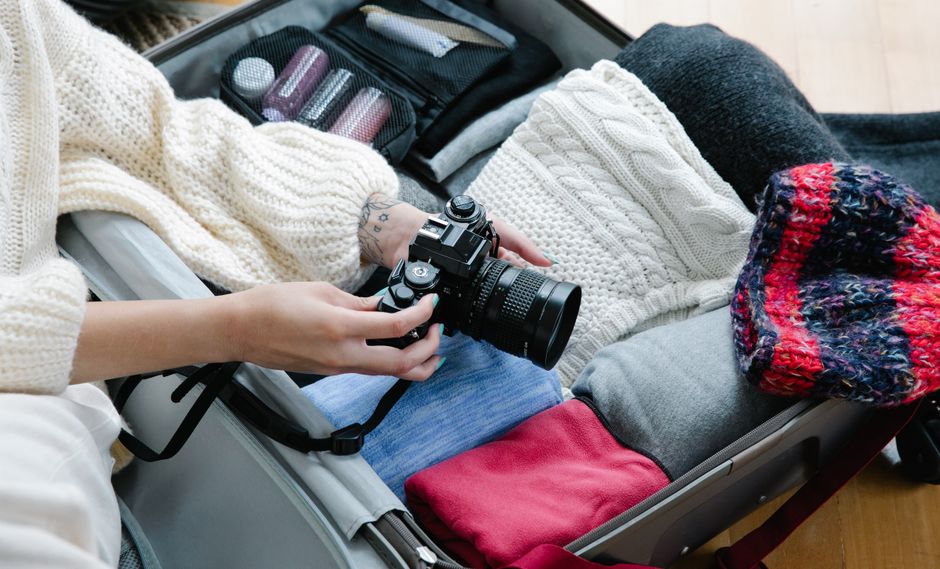
Planning cold-weather city trips in Europe is less about stuffing your suitcase and more about packing layers you can combine. When you layer well, you stay warm without overheating in cafés and museums, and you avoid the common winter travel problems—wet feet, cold fingers, dry skin, and low-battery phones.
If you’re travelling with carry-on only, you’ll also want to think in terms of repeatable outfits and quick-access items rather than a different outfit for every day. The packing approach below is built for short-to-medium city breaks in winter, where you’ll be outside walking and queuing for attractions.
Layering System That Packs Light
You’ll get the best results by covering three jobs: moisture management (base), warmth (mid-layer), and protection from wind and precipitation (outer layer). Aim for breathable fabrics you can open up indoors.
Start With a Sweat-Wicking Base
A good base layer keeps body heat working even when you start warming up during long walks.
- Merino or synthetic thermal base top
- Thermal base bottoms or slim leggings
- Lightweight breathable long-sleeve (for layering or nights)
Add Warmth Without Bulky Bulk
Choose one mid-layer you can reuse across outfits. Fleece and wool tend to pack better than thick sweaters.
- Fleece or wool mid-layer
- Packable insulated jacket or warm cardigan
Finish With a Windproof, Water-Resistant Shell
In many European winter cities, it’s not only cold—it’s wind plus drizzle, sleet, or snow. Your outer layer should handle that.
- Waterproof, windproof outer shell
Footwear for Snow, Slush, and Long Walks
City travel in winter is hard on shoes: wet sidewalks, melting snow, and occasional ice. You’ll be happier if your footwear is built for grip and drying, not just style.
Choose One Main Pair You Can Walk in for Hours
Pick shoes or boots you’ve already worn on uneven ground (even short walks). The goal is stable footing and water resistance.
- Water-resistant walking shoes or boots (one main pair)
Build Your Sock System
Most cold-weather discomfort starts with feet. Socks should stay warm when damp and help prevent blisters.
- Thicker wool-blend socks (2–3 pairs)
- Thin liner socks (optional for blisters)
Control Warmth and Slush in the Right Places
If temperatures drop a lot where you’re going, a little extra underfoot helps.
- Thermal insoles or heat pads (small, flat ones)
- Gaiters or a splash guard for deep slush (optional)
Tip: if your shoes are only “water resistant,” prioritize drying time. Carry a plan for getting them aired after a long day.
Small Comfort Upgrades That Prevent Common Winter Travel Problems
Cold weather city days are long and stop-start: outside to inside to outside again. A few compact items can make you feel consistently comfortable.
Protect Your Neck, Hands, and Face From the Cold
You’ll lose heat fast through your neck and from exposed skin on windy days.
- Scarf or neck gaiter
- Lightweight gloves + warmer backup
Keep Skin and Eyes Comfortable (and Prevent That “Day-ruiner” Fog)
Dry indoor air and cold outdoor wind can catch you off guard.
- Lip balm with SPF
- Moisturising face cream (travel size)
- Sunglasses (winter glare)
Pack for Feet, Fingers, and Small Emergencies
These aren’t “nice-to-haves” in winter—think of them as friction reducers.
- Small first-aid kit for blisters and dry skin
- Reusable hand warmers or disposable toe warmers
- Anti-chafe stick or balm (for long days)
- Microfibre cloth for glasses or camera lenses
Charging and Power Setup for Europe Trips
In winter, batteries drain faster and you spend more time indoors using your phone for photos, maps, and tickets. A tidy power setup prevents last-minute scrambles.
Get the Adapter Right (Then Simplify the Rest)
Most European outlets use two-pin plugs (often Type C and sometimes Type F). Bring the adapter that matches what you’ll encounter.
- Plug adapter for European outlets (usually Type C/F)
Keep One “Charging Core” in Your Bag
When you only have carry-on space, you want fewer cables and a reliable method to charge everything.
- Universal travel charger (or separate USB chargers)
- Charging cable set (phone, watch, camera)
Add Backup Power for Winter Days
Cold drains batteries, and long sightseeing days mean constant navigation and camera use.
- Portable power bank (make sure it supports your device)
- Optional power strip or multi-USB hub (if travelling with others)
Keep Cables Un-tangled and Handy
You don’t want to dig for chargers while you’re cold, late, and standing outside.
- Small cable organiser/pouch
Carry-On Layout and Packing Tactics
Even the best list won’t work if your bag is hard to access. With carry-on only, your goal is to pack so you can change layers quickly and stay prepared for unexpected weather.
Pack by Layering and Repeatability
Instead of counting outfits, count layers. You should be able to mix base + mid-layer + shell into multiple combinations.
Use Cubes and Bags to Control Bulk and Wet Gear
Winter gear gets damp—your outer layer, gloves, or a scarf after a sleet shower. Contain that moisture.
- Packing cubes (one for tops, one for bottoms, one for base layers)
- Compression bag (for bulk mid-layers only)
- Zip-top bags for wet items and toiletries
Put the “Survive the Next 10 Minutes” Items on Top
When you arrive, queues and chilly streets can make you reach for certain items right away.
- A dedicated 'on-the-go' pocket (passport/wallet, gloves, cable, lip balm)
What To Do Next
Start by choosing your outer shell and footwear first—these two determine how comfortable your entire trip will feel. Then build your packing around repeatable layers and the charging/comfort items that prevent winter discomfort. If you tell yourself you only need to manage a few key problems (wet feet, wind on skin, low battery), it becomes much easier to keep your carry-on truly light.