


Kyoto’s best evenings cluster around Gion, Pontocho, and the Higashiyama back streets. If you’re visiting for the first time, you’ll usually get the most satisfaction from staying somewhere you can walk to dinner and stroll back—without turning every night into a taxi mission.
This guide focuses on hotel areas (not single properties) so you can match your budget and noise tolerance, while keeping your late-night options firmly on the “Japanese izakaya, ramen, and desserts” side.
Choosing a Hotel Base Near Gion (And Why It Matters)

Walkability beats shuttle plans
If you want to be near evening streets, choose a base that lets you do this:
- Walk to dinner and bars in 10–20 minutes
- Return to your room without crossing major bottlenecks
- Pop out for dessert without re-planning transport
In practice, that usually means you’ll be near Gion’s edge, Pontocho, Kawaramachi, or Sanjo.
Noise tolerance: what “near Gion” really means
Staying right next to the action can be atmospheric—or loud, depending on your room orientation and the night of the week. As a rule:
- Closest to Gion/Higashiyama: more atmosphere, more footsteps and evening chatter
- Just one neighbourhood away: similar access, better sleep
If you’re a light sleeper, prioritise streets that are slightly off the main evening corridors and look for rooms facing inward courtyards rather than the road.
Easy transit is your safety net
You’ll still want a straightforward connection to Kyoto’s main lines for day trips. Aim for a base where you can reach one major rail stop quickly (often Kawaramachi / Shijo-Kawaramachi, Sanjo / Gion-Shijo area, or Karasuma line stations). That keeps you flexible when the evening you planned becomes a crowd.
Best Neighbourhoods For Evening Walks (Gion-Adjacent)
1) Gion / Gion-Shijo edge
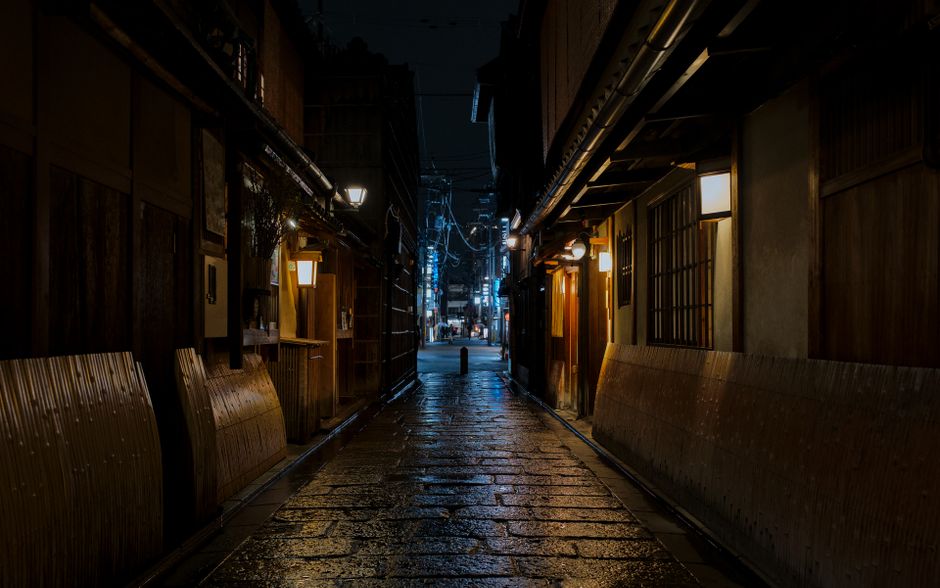
Stay here if you want the most “Kyoto at night” feeling—lantern-lit streets, geiko/maiko neighbourhood atmosphere (where permitted to observe), and easy access to classic bars and small restaurants.
- Vibe: romantic, traditional, crowded during peak seasons
- Noise: often higher than you expect on weekend evenings
- Transit: usually convenient around the Gion-Shijo area
Tip: if you do stay this close, choose a room higher up and not facing the busiest street.
2) Pontocho (Kamo River backstreet)
Pontocho is one of Kyoto’s best evening corridors: restaurants and small venues line the lanes, and the walk between dinner and a night stroll is short.
- Vibe: atmospheric and lively, but concentrated
- Noise: can be noticeable after dinner service starts
- Best for: travellers who want late-evening ambience without long commutes
Tip: ask for a room away from the river-front lanes if you’re sensitive to sound.
3) Higashiyama (Yanaka-like backstreets feel near the sights)
This is a great option when you want to pair evenings near Gion with daytime sightseeing into temple districts.
- Vibe: old-town Kyoto atmosphere
- Noise: moderate; varies street by street
- Best for: first-timers who also want a smooth daytime sightseeing loop
4) Kawaramachi (central downtown, walkable in both directions)
Kawaramachi is often a “best of both” base: you’re within walking distance of Gion-area nights, but you can also access more mainstream transport and shopping streets.
- Vibe: lively, practical, lots of restaurant variety
- Noise: medium to high depending on the exact street
- Transit: strong access to main stops
Tip: stay slightly west or east of the loudest frontage and you’ll feel the difference.
5) Sanjo (near the river and major shopping streets)
Sanjo can feel like Kyoto’s everyday “hub,” with good walk access to evenings and an easy path to trains for day trips.
- Vibe: local-meets-tourist, less “single-attraction” than Gion
- Noise: generally manageable with smart street choice
- Transit: convenient for connecting across the city
6) Shijo-Kawaramachi area (big transport + evening options)
If you’re moving around a lot, this is a reliable base. It’s not as “storybook” as Gion itself, but you get easy arrivals/departures and still reach Gion/Pontocho on foot.
- Vibe: energetic, convenient, restaurant-heavy
- Noise: can be high in pockets
- Best for: travellers who value transit and flexibility most
Quieter “Same-Evening” Options (Sleep Without Losing Access)
If you want to be near Gion but avoid the full intensity of nightlife streets, aim for neighbourhoods that are a short walk away from the headline corridors.
7) Teramachi–Karasuma side streets (central but calmer when chosen well)
This area is a good trade-off: you’re close enough to walk into evening zones, but you can often find quieter streets and smaller guesthouse-style layouts.
- Vibe: practical, shopping streets nearby
- Noise: often lower than riverside and direct Gion lanes
- Best for: light sleepers who still want evening freedom
8) Near Marutamachi (slightly north of the densest evening flow)
Marutamachi can work well if you want central access with a calmer return route.
- Vibe: calmer, still connected
- Noise: generally easier to manage
- Best for: day-trip planners who don’t want night commutes
9) Portions of Imadegawa–Nishijin edges (when you want extra peace)
If your top priority is sleep, explore bases that are still “city-connected” but not immediately on the late-night restaurant lanes.
- Vibe: less iconic, more residential
- Noise: usually lower
- Best for: travellers who plan to drive/rail for evenings or who prefer shorter “anchor” nights
Late-Night Dining Without the Kebab-Store Feel
You can absolutely build evenings around Japanese late-night staples near Gion—izakaya seating, ramen counters, yakitori-style bites, and dessert shops. “Kebab-heavy” late-night areas usually show up in different parts of downtown, and you’ll avoid that by choosing the right streets.
Focus your searches around these evening corridors.
10) Pontocho lanes after dinner service
Pontocho’s restaurants tend to concentrate on Japanese menus rather than fast “grab-and-go” kebab counters.
- What you’ll find: izakaya-style plates, casual bars, late-night snacks
- What to watch: some places fill up; walk in earlier in the evening when possible
11) Gion back streets near main lantern streets
You’ll often get a more traditional mix when you walk the side lanes rather than stopping at the first convenience cluster.
- What to expect: small restaurants, a few longer-opening venues, and “one more drink” energy
- Noise: higher on busier nights
12) Kawaramachi / Shijo nightlife blocks
If you want variety late at night (still mostly Japanese), Kawaramachi/Shijo has dense restaurant coverage.
- What you’ll find: ramen, udon, izakaya options, casual desserts
- Avoiding kebab vibe: choose street-level Japanese eateries and sidestreet lanes, not the most international-sounding storefront clusters
Practical tip: if late-night spots feel full, pivot to quick-serve Japanese meals (ramen/udon or simple izakaya plates) rather than waiting for a sit-down reservation that may not happen.
How to Book Smartly in These Areas (Before You Run Out of Rooms)
Once you’ve picked a base, the booking details decide whether your nights feel easy or annoying.
Use these filters when you search
- Room direction: courtyard/inward-facing is usually quieter than street-facing
- Elevator + stairs: older Kyoto buildings can mean more stairs than you expect
- Check-in window flexibility: late arrivals can be common if you’re out for dinner
Time your nights and plan the “crowd moments”
Gion and its surroundings can feel packed during peak seasons. You don’t need to avoid it—just structure the evening:
- Go to the most famous lanes a little earlier, then return for dinner
- For peak weekends and high-demand seasons, consider a second “plan B” area 10–15 minutes away
Pick one anchor and one backup neighbourhood
To keep your trip smooth, choose:
- Anchor: where you’ll walk for dinner most nights (Pontocho, Gion edge, or Kawaramachi)
- Backup: a nearby transit-friendly zone if the first area is too busy (Shijo-Kawaramachi or Sanjo)
This reduces the chances you end up wandering in the wrong direction looking for a place that feels Kyoto-appropriate.
Final Thoughts: What to Do Next
Start by choosing your priority: most atmosphere (Gion/Pontocho) or sleep with quick access (Kawaramachi/Sanjo/Teramachi-side streets). Then search within walking distance of one main transit area, and filter for quieter room orientation. Once your base is set, you can map one late-night “anchor” corridor and one backup to keep evenings simple.