


Graça: The Best Balance for Views and Practical Steps
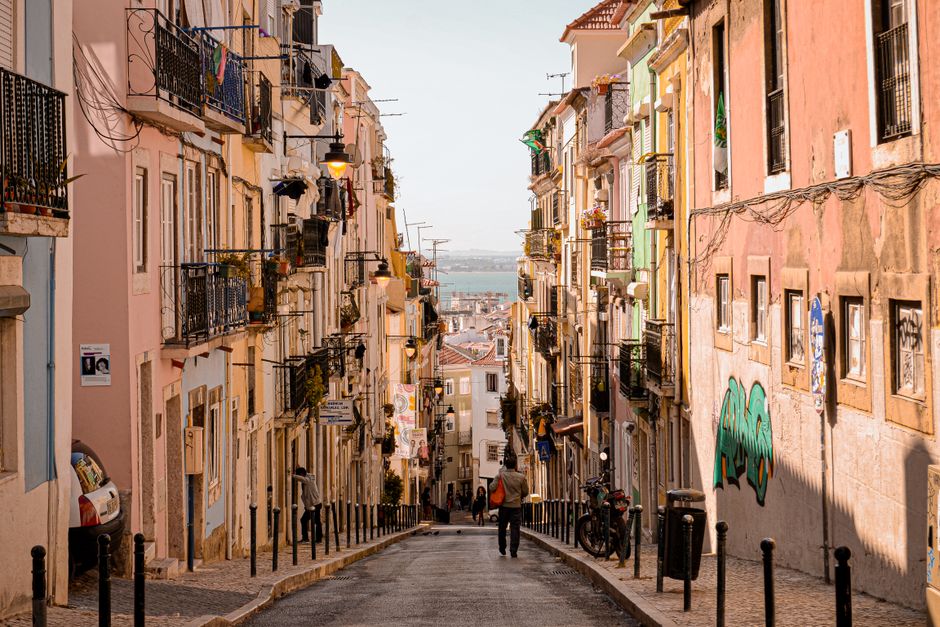
Walk to the big miradouros without overthinking transport
From Graça, you can build a day around classic viewpoints such as Senhora do Monte and Graça, then drift down toward Alfama’s waterfront lanes when you want the postcard atmosphere.
Better odds of lift access and calmer street layouts
Lisbon’s hill areas vary street by street, so you’ll still want to check details, but Graça tends to have more modern blocks than the steepest old-town cores. When you’re comparing places, look for:
- A building with an elevator (not just “steps at the entrance”)
- Lift-equipped streets that reduce the “climb from the sidewalk” problem
- A location where the walk from the nearest drop-off feels short rather than endless
Late-night logistics: fewer “last steep street” surprises
If you plan to finish evenings with fado or a late drink, Graça often works better than deep Alfama. The walk back is still uphill, but you’re less likely to end up navigating the narrowest, darkest lanes right at the point you’re tired.
Mouraria: Close to Alfama, With Easier Starting Points

Start from Martim Moniz for faster connections
Being near Martim Moniz can make a real difference: you get easier access to the tram network and quicker links into central Lisbon. That means you can:
- Do viewpoints by foot in the morning
- Switch to short rides later when you don’t want to climb again
Choose streets that don’t stack you onto “maximum slope”
Mouraria streets can get steep quickly. When choosing a room, focus on the approach:
- Can you reach your accommodation without climbing long flights from the main road?
- Does the listing clearly explain elevator access and how you enter the building?
- Is there an easy pickup/drop-off point for taxis or rideshares?
Nightlife and food: helpful if you hate early returns
Mouraria stays active later than many residential hills. If your plan involves wandering between spots after dinner, you’ll usually spend less time searching for a route back in the dark.
Alfama: Maximum Character, Minimum Compromise (If You Pick Well)
Staying in Alfama feels like the whole trip is happening around you. But for viewpoint walks, Alfama is also where practicality can fall apart—especially if the only entrance requires stairs, or if you’re deep inside the steepest streets.
Stay on the flatter edges, not the bottom of the steepest climbs
If you’re booking purely by “best views,” it’s easy to end up in a pocket that looks great on a map but is tiring in real life. Try to aim for:
- Areas nearer to Santa Luzia / Portas do Sol routes (so you can walk out without hitting constant walls of steps)
- Streets where you can still navigate with luggage without detours
Elevator access: treat it as a deal-breaker, not a bonus
In Alfama, elevator buildings are less common and many listings can be unclear. Before you commit, confirm:
- Whether there’s an elevator to your floor
- Whether there are multiple stair-only segments from street level
- Whether the building entrance is accessible during busy times
Late-night logistics: plan for slower, steeper returns
After dinner, Alfama can become a maze—cobblestones, crowds, and narrow lanes all add time. A good rule: if you expect to return after dark, choose accommodation where you can leave the area quickly and not depend on “one exact steep street” to get home.
Baixa and Chiado: The Most Comfortable Base for Busy Viewpoint Days
If you want day walks to viewpoints but prefer an easier base to sleep and recharge, Baixa and Chiado are the practical choice. They’re flatter, more connected, and usually better for late-night movement.
Use Lisbon’s vertical connections to avoid constant uphill walking
Baixa and Chiado are where Lisbon’s lift and funicular systems can do some of the work for you. Instead of climbing every day, you can use central connections and then walk the last stretch.
A calmer sleep option than Alfama—without losing access
You’ll often find more straightforward street layouts here. That matters when you’re:
- Carrying camera gear for sunset viewpoints
- Booking a day tour and returning late
- Traveling with anyone who doesn’t want a steep uphill commute twice daily
When to choose this base: fewer crowds in the evenings
This is the area to pick if you want central energy but not the deepest tourist lanes right outside your door. Many travellers end up here when they realize they’d rather ride up and walk down for viewpoints.
Bairro Alto and Santa Catarina: Great for Nights Out, Plan the Return
Bairro Alto is where evenings can be excellent—but it’s not always the easiest for viewpoint walking days. Santa Catarina can be a slightly more balanced compromise, especially if you’re trying to reach central spots without adding endless climbs.
Morning viewpoint walks work best when you build “loops”
Rather than trying to reach every miradouro on foot in one push, plan loops from where you’re staying. This keeps the effort realistic and helps you avoid turning the day into constant uphill zig-zagging.
Late-night logistics: you’ll want a backup route
Bairro Alto is lively, so returning can mean more pedestrians and slower navigation. Reduce stress by:
- Keeping a clear exit route from your street
- Having a pickup option you can reach without crossing multiple steep lanes
- Avoiding “last-mile walking” when you’re tired
Elevator reality check
Some streets here feel steep even when they’re close to the centre. Treat elevator access as critical: if the building has one, it can make a big difference to how “manageable” the stay feels.
What to Do Next Before You Book Your Lisbon Base
Use your shortlist of neighbourhoods as a filter, then narrow it down with three quick checks: confirm elevator access, test how steep the walk feels from a main road (not just from the entrance), and make sure late-night returns won’t require you to cross the city’s steepest pockets on foot.
Once you’ve got 2–3 options, message the property with one practical question: how much walking and stepping is involved from the nearest vehicle drop-off to your front door. If the answer sounds complex, keep looking—your viewpoint walks will feel better if your evenings don’t turn into a climb.