

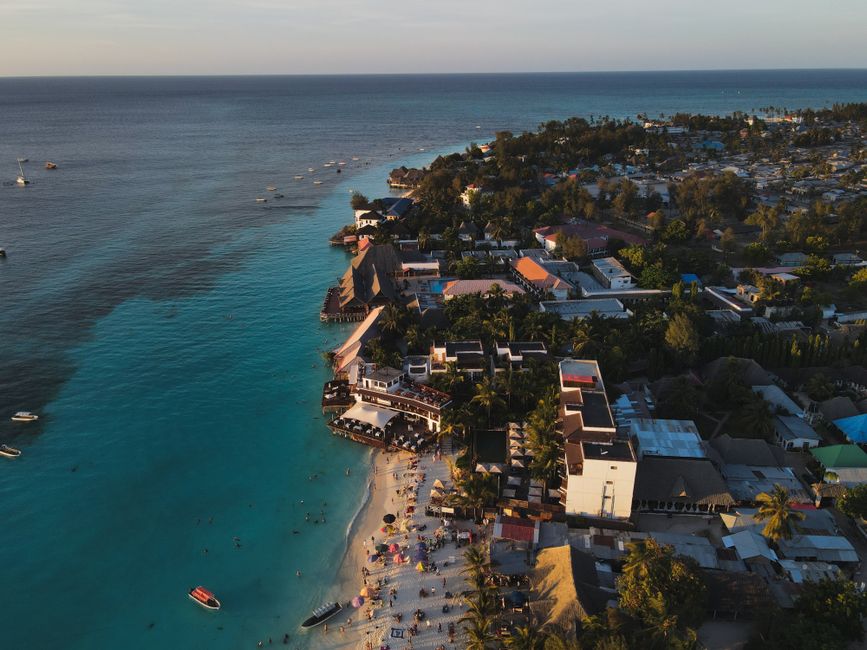
Zanzibar North vs Zanzibar East: which side fits your plans?
Zanzibar is compact, but the coastline styles feel very different. As a rule, North (Nungwi and Kendwa) suits travellers who want a classic beach holiday with strong sunset energy and straightforward day trips. East (Kiwengwa, Matemwe, Paje and Jambiani) is better for wide sandy bays, long beach walks, and the kind of water activities (including kitesurfing) that thrive where the conditions are steady.
Before you book, think about these priorities:
- Beach vibe: lively beach towns vs relaxed long stretches
- Time on the move: how often you want to go into Stone Town
- Water time: where you’ll snorkel or dive most days
- Evenings: laid-back sunset spots vs later beach hangs
Pick the North if you want sunsets and a “proper beach town” feel
North tends to feel the most developed for strolling, eating out, and doing a relaxed sunset-to-evening routine.
Pick the East if you want long sandy beaches and more water sports
East can feel quieter day to day, but it’s often where the most “active beach” atmosphere shows up.
Beaches and swimming: North for sunsets, East for wide bays
Your beach experience will come down to sand, swell, and how protected your stretch of coastline is.
The North beaches: Nungwi and Kendwa
The far north is where you’ll find the most consistent “holiday” beach scene.
- Nungwi: more energy around the beachfront, with plenty of places to grab food and walk before dinner. Swimming can be great on the right days, but it’s also the kind of area where you’ll want to check local conditions.
- Kendwa: often chosen for a more relaxed feel. Many travellers pick it for calmer water days and an easier rhythm for evenings.
If you’re travelling during the breezier months when winds pick up, the north coast generally feels more manageable for day-to-day beach time than some stretches farther east.
The East beaches: Kiwengwa, Matemwe, Paje, Jambiani
East Zanzibar is famous for long, sandy shorelines and easy beach movement.
- Kiwengwa: good base if you want a balance—wide beach space with more guesthouses and restaurants than you’ll find in the smaller pockets.
- Matemwe: slightly more peaceful feel, often picked for a slower pace while staying close to snorkel/dive boat routes.
- Paje: a lively choice. It’s one of the best-known spots for kitesurfing, and the atmosphere tends to wake up as the day goes on.
- Jambiani: a more laid-back option close to Paje, with a beachfront feel that’s great for walking and slower meals.
During months when the sea on the east coast feels rougher, swimming may be better in sheltered stretches or at specific times of day—so it’s worth choosing your exact beach carefully.
Snorkeling and diving access: where you’ll spend your water days
Boat access matters as much as the reef itself. Zanzibar’s best coral experiences are usually reached by short trips rather than right off the beach.
North-side access: reef trips that start near Nungwi
If you’re based around Nungwi, you’re well placed for day snorkels and short excursions.
- Nungwi Reef (near the beach): many trips start here because it’s close. It’s a practical choice if you want “snorkel-first” mornings without long transfers.
- Mnemba Atoll: commonly featured for snorkel and dive days from the northern side of the island as well, though many itineraries run from the northeast (so ask how long your specific boat transfer takes).
East-side access: Mnemba-style trips and easy bay hopping
From the east, you often get that classic combination of calm shore time and straightforward access to boat routes.
- Mnemba Atoll: one of the headline destinations for clear water and reef life in the north-east region. Expect a boat ride that’s usually not a full-day ordeal, but always confirm the exact departure point and duration.
- Nakupenda Sandbank: a popular sandbank day that many operators run from Stone Town-area starting points. If you’re east-based, this can still work well, but you’ll factor in the longer road time first.
What to expect, realistically
- If you want multiple reef days, East can be efficient because several routes are clustered around the north-east.
- If you want short, low-hassle snorkel mornings, North can be easier because you may spend less time getting to the water.
- For diving, your instructor/operator matters more than geography. Choose an operator that matches the conditions and the kind of experience you want (try dive vs certified dive days).
Nightlife and day-to-day atmosphere
Nightlife in Zanzibar is rarely “clubby” in the way some travellers expect, but the coastline does differ in how evenings feel.
North at night: more beachfront energy
North (especially around Nungwi and Kendwa) tends to feel more active after sunset. You’ll find more options for casual dining and social beach energy. It’s also the kind of place where you can do a simple routine: beach time, dinner nearby, and a final walk without needing a long plan.
East at night: quieter base, livelier pockets
East can feel calmer overall, but pockets like Paje often have a stronger “after-hours beach” vibe during busy seasons.
A useful way to decide:
- If you want evenings that feel busy without much planning, lean North or choose East near the more active beachfront strips.
- If you want long sunset wind-downs and fewer distractions, East (especially quieter stretches) can be ideal.
Excursions and transfer times: Stone Town, nature days, and boat trips
Most “must-do” Zanzibar experiences cluster around Stone Town and a few key nature areas. Your base will affect how often you do those trips.
Getting to Stone Town and key islands
Stone Town is the island’s cultural hub, and you’ll likely want at least one evening there (for dinner, browsing, or a guided walk).
In practical terms:
- From the east coast, you’ll often be looking at roughly 1.5–2.5 hours by road to Stone Town, depending on where exactly you’re staying and traffic.
- From the north coast, expect something closer to 2.5–3.5 hours to Stone Town.
If you plan to do multiple “Stone Town + beach” days, East usually keeps your schedule lighter.
Nature and activity days
Many common excursions are the same regardless of which side you choose, but you’ll feel the travel time differently.
You’ll typically plan days around:
- Stone Town
- Jozani Chwaka Bay National Park
- Spice farms (spice tour)
- Dolphin watching off the northeast
- Sunset dhow cruise
East can be especially convenient if dolphin-style outings and certain boat routes align with the part of the island where you’re staying. North can still work well, but you’ll want to factor in the extra road time more often.
Airport and port transfers
Most travellers arrive via Zanzibar’s main airport and/or connect through Stone Town’s port area.
In general:
- North bases mean longer transfers both from the airport and if you’re meeting tours that start from central pick-up points.
- East bases usually feel shorter and simpler for most first/last-day logistics.
If you’re trying to protect your first and last day, East often wins. If you’re willing to trade transfer time for the North’s beach-town energy, North is the better fit.
How to Decide Where to Base
Pick North for the most classic “beach town + sunset evenings” rhythm, and choose it if you’ll spend your trip eating out and walking the beachfront between excursions. Pick East if your plan leans toward long sandy days, kitesurf-friendly areas (if that’s your thing), and keeping Stone Town and nature days from eating too much time.
Next, shortlist two or three exact beach areas (north: Nungwi/Kendwa; east: Kiwengwa/Matemwe or Paje/Jambiani) and then match them to your snorkel/dive day strategy—how many boat days you want and whether you prefer quicker morning departures or more variety from day to day.