


Cusco’s historic centre is compact, but the city rises quickly. As a first-time visitor, you’ll enjoy the trip more if your accommodation is close to walkable plazas and on streets that don’t feel like stairs from the first morning.
Below you’ll find the best areas to stay—picked for altitude comfort, evening safety, and convenient access to markets and day-tour pick-up points. Use this as a checklist when you compare streets, not just neighbourhood names.
Picking a Base in Cusco: Altitude Comfort, Walkability, Night Safety
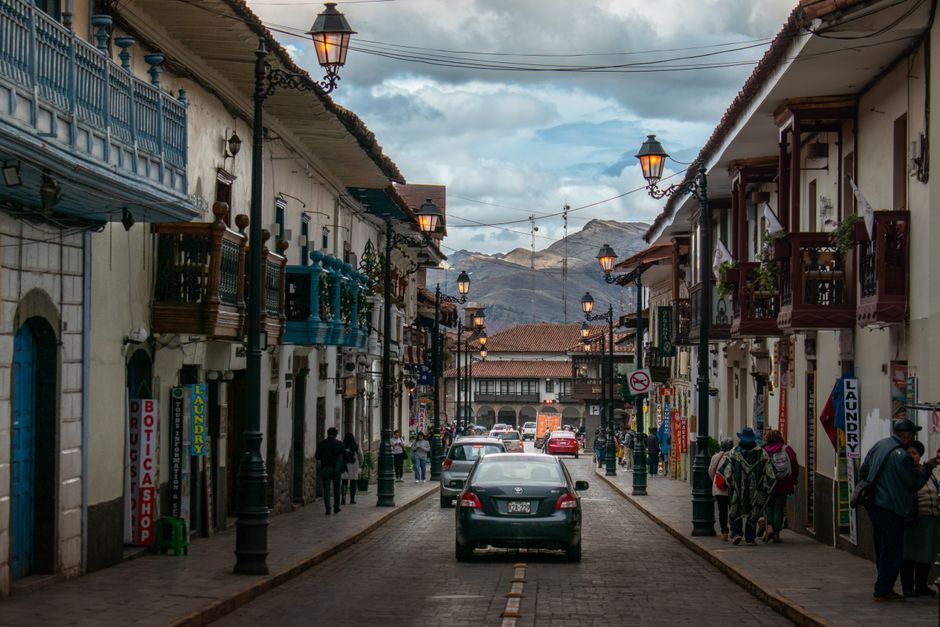
Altitude comfort: why “near the centre” still varies
Even within the old town, blocks differ. You’ll feel it most when you move between your lodging and:
- A morning café or bakery
- A main plaza for orientation photos
- Your evening dinner spot
A practical target is a location that’s “walkable to the plazas” without being at the top of a steep ridge. If you’re choosing between two similarly priced places, the flatter walk usually makes the difference on day one.
Walkable plazas vs steep sidestreets
“Walkable” in Cusco often means you can reach the main squares on foot, but the route may zig-zag up and down. To keep your energy for sightseeing and museums, look for streets that:
- Connect directly to the routes that lead toward Plaza de Armas and nearby squares
- Avoid long, continuous uphill stretches
- Have frequent foot traffic (you feel safer and it’s easier to navigate)
A simple safety rule for evenings
Cusco is generally welcoming, but tourist centres attract opportunists. At night, prioritize places where you can return via well-lit, busier streets rather than quiet shortcuts.
If you want a low-stress evening routine, aim for accommodation within easy walking distance of:
- The areas around Plaza de Armas
- The main streets that lead to popular dining blocks
Then set yourself a clear cutoff—when you wouldn’t normally want to wander for another 10–15 minutes in dark side streets.
Best Areas To Stay for First-Time Visitors Near Walkable Plazas
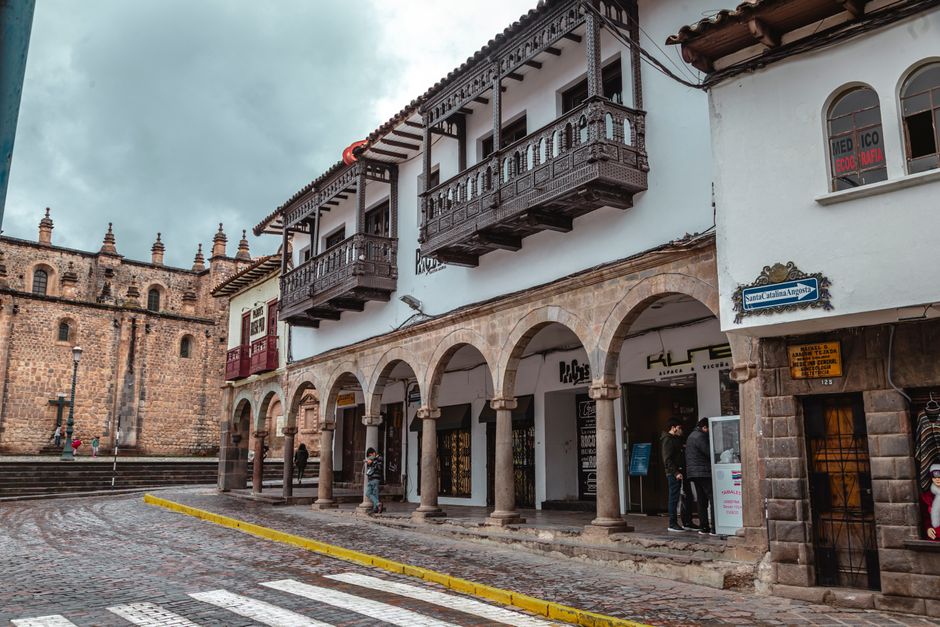
San Blas: artisan streets with a calmer, higher-feeling vibe
San Blas is famous for its craft shops, relaxed cafés, and beautiful views. If you like atmosphere and you’re staying for a few days rather than just a whirlwind stop, it can feel like the most “Cusco-like” base.
What it’s best for:
- Feeling immersed in the historic craft district
- Walking to viewpoints and photo spots (often without needing a car)
- An easy daytime pace
Watch-outs:
- Some streets are steep. You’ll want to choose a lodging that’s closer to the main pedestrian routes rather than the top of the hill.
- Evenings can be lively, but certain side streets empty out quickly.
Centro Histórico (around Plaza de Armas): the easiest walk-everywhere option
If your priority is “step outside and you’re in the action,” Centro Histórico is the most direct choice. Staying near Plaza de Armas puts you close to the city’s orientation landmarks and many central restaurants.
What it’s best for:
- Maximum walkability to plazas, viewpoints, and guided meeting points
- Short transfers when you’re moving between activities
- Easier logistics if you’re arriving in town and want to settle fast
Watch-outs:
- This is also where rates can climb during peak weeks.
- Some streets get busy late. If you’re sensitive to noise, filter for quiet rooms and check whether windows face the busier lanes.
San Pedro (near the plaza and market lanes): local life without giving up central access
Staying around San Pedro gives you a more everyday Cusco feel. You’re close to market energy, but you’re still within reach of the historic centre’s main walking routes.
What it’s best for:
- Easy access to the local market areas for snacks and small supplies
- Getting back and forth on foot without long detours
- A lively daytime scene with a calmer rhythm at night (on the right blocks)
Watch-outs:
- Market-adjacent streets can be busy earlier in the day. Plan to do your wandering and shopping earlier rather than late at night.
- Like much of Cusco, you’ll still want to confirm that the route from your lodging to the plaza isn’t a constant uphill climb.
Belén: a quieter neighbourhood near daily shopping routes
Belén is a good option when you want to feel close to the city’s core but not sleep right on top of the tourist flow. The area suits travellers who prefer a calm evening walk and mornings that start with local errands.
What it’s best for:
- Better chances of finding quieter stays than the immediate Plaza de Armas edge
- Day-to-day shopping and casual dining within short walks
- A more relaxed pace for your first night
Watch-outs:
- The walk to the central plazas is usually doable, but you may hit a few steeper segments depending on the exact street.
- Choose lodging that gives you a clean, well-lit walking route back after dinner.
Wanchaq: practical comfort for travellers focused on day tours
Wanchaq is where many visitors choose to stay when their itinerary is heavy on day trips and transport. You can often find comfortable, straightforward lodging that makes early starts easier.
What it’s best for:
- Convenience for day-tour pick-ups and return logistics
- Often a calmer feel than the historic core (especially if you prefer less foot traffic)
- Reliable access to buses/taxis for longer outings
Watch-outs:
- Walkability to the main plazas is still possible, but you may trade a “near-plaza” experience for easier transport.
- If you want to return on foot after dinner, confirm your route stays on main streets rather than steep side lanes.
Santiago: good value with a more modern street pattern
Santiago tends to appeal to travellers who want practical lodging, simpler street layouts, and a bit more room for day-by-day convenience. It’s also useful if you don’t mind using short taxi rides for a few evenings.
What it’s best for:
- Often better value than the immediate historic centre edge
- A more modern feel for sleep quality and day-to-day routines
- A workable base if you plan to keep your main sightseeing walking to the best central hours
Watch-outs:
- You’ll likely rely on taxi rides for a truly effortless “walk to dinner and walk back” routine.
- If you’re very altitude-sensitive, pay attention to how often you’ll need to climb back toward higher points on foot.
Near-Plaza Priorities: Markets and Day-Tour Pick-Up Points
When you’re comparing streets, don’t just ask “how far to Plaza de Armas?” Ask whether your daily routine will feel light on its feet.
Markets within 10–15 minutes on foot
For first-time visitors, markets are easiest when you can pop out without planning your day around transport. The best bases keep market time short and flexible—good for snacks, water refills, small gifts, and quick breakfasts.
As a rule of thumb, choose a location where you can reach your preferred market area without:
- Needing an uphill detour every time
- Being forced to walk through darker, empty stretches after 7 pm
Day-tour pick-ups and returns that don’t eat your morning
Many day tours require early departures or exact meeting windows. Your best base is the one where the walk or short transfer to the pick-up point is predictable.
Before you book, check the meeting logic for your tours:
- Is the pick-up typically within the centre or more spread out?
- Will you have enough time to return between morning activities and rest?
Staying in or near central walking corridors reduces stress. Staying a bit farther out can still work—if your tour plan expects you to use transport.
Restaurants without long late-night walks
Cusco is pleasant to explore, but late-night wandering is where you’ll feel it most: cooler temperatures, reduced crowds, and steeper routes.
If you want straightforward evenings, aim for accommodation where you can reach multiple dining options and still return via main streets. The “best” base is often the one that avoids one or two extra uphill loops after dinner.
How to Choose Between “Central” and “Comfortable” in Cusco
Cusco rewards smart positioning. You don’t need to be far from the centre—you need the right slope.
Higher altitude streets vs slightly flatter blocks
Your altitude comfort isn’t only about height; it’s about repeated effort. Every time you climb steep blocks, your body works harder.
When you compare two candidate streets near the same sights, choose the one with:
- Fewer long uphill stretches across your usual routes
- More frequent foot traffic (safer and easier navigation)
- A route back that feels direct rather than zig-zaggy
If you’re travelling with limited mobility or you’re especially new to high altitude, prioritize flatter “arrival-to-plaza” routes even if the address isn’t as close on a map.
Booking tips that help you sleep better at altitude
Noise matters more at high altitude because you may wake more often. For comfort, focus on room location.
Good filters to use when booking:
- Ask for a quieter room away from street-level traffic
- Avoid accommodations that put you directly at the loudest nighttime dining strip
- If possible, choose a place where you can keep windows covered to reduce late noise
Even mid-range stays feel better when you sleep undisturbed.
Transport shortcuts you’ll actually use
You don’t need to abandon walking, but you should plan occasional shortcuts—especially after long mornings.
For many travellers, the sweet spot is:
- Walk for sightseeing and daytime markets
- Use a short taxi ride when the route back would be a steep, late climb
This hybrid approach keeps your days active while reducing the chances of an uncomfortable evening trek.
What to Do Next
Pick one of the six areas above based on your travel style: maximum walkability (Centro Histórico), local energy (San Pedro), calmer sleep (Belén), transport-focused itineraries (Wanchaq), or practical value (Santiago). Then shortlist by street slope—compare the exact walking routes from your lodging to Plaza de Armas and to your most important day-tour pick-up.
Once you’ve narrowed it to a few options, confirm your first-day plan: where you’ll walk for orientation, where you’ll eat early, and whether you’ll need an easy return route before you book extra day trips.