

If you want the easiest day-trip setup, pick routes where the train drops you close to the old town—or gets you to the ferry port with enough buffer to enjoy the afternoon rather than chasing timetables.
Below are standout options you can build around by train, focusing on historical towns and archipelago experiences.
Historical Towns on the Route North and West

- Typical door-to-door time: about 2 to 3 hours each way if you include a realistic buffer for platform changes and a walk into town (most of that time is still on the train).
- What to do: spend time around the cathedral area, then branch out toward old university buildings and nearby historic streets.
- Pre-book: usually not required for the train on this short route, but it’s smart to choose a specific departure if you’re travelling on a busy weekend.
- Cost shape: expect standard rail fares; most spending comes from museums/attractions if you choose to enter.
Sigtuna: Sweden’s Early Town Vibes
Sigtuna is small, walkable, and historically rich—great if you want Viking-age and medieval atmosphere without a long commute.
- Typical door-to-door time: about 1.5 to 2.5 hours each way (the train gets you close, then you’ll rely on a short local connection or a walk).
- What to do: browse the historic church area and riverside lanes, and look for the preserved remains scattered around the town.
- Pre-book: optional for the train, but if you’re planning a guided history walk, reserve ahead.
- Cost shape: low on entry tickets; you’ll mainly pay for any guided tours or paid museum stops.
Västerås: Mälaren Heritage and Riverside Walks
Västerås balances a proper town feel with easy access to the lakeside and historic landmarks.
- Typical door-to-door time: about 2 to 3 hours each way.
- What to do: combine historic churches and older city blocks with a lakeside pause—this is a good choice when you want a day that’s part culture, part strolling.
- Pre-book: generally no, but selecting your return time can help you avoid late-day crowding.
- Cost shape: standard rail fares plus optional museum/attraction entries.
Mälaren Old Towns and Castle Days by Train

- Typical door-to-door time: about 2.5 to 4 hours each way, depending on connections and how long you plan to stay.
- What to do: centre your day around Gripsholm Castle, then add time for the riverside/lakeside walk and historic streets.
- Pre-book: if the castle has timed-entry experiences or special exhibits you care about, book ahead—at minimum, check ticket availability early.
- Cost shape: castle entry and any guided options are the main costs; train fares are the baseline.
Archipelago Gateways Reachable by Rail (With Ferry Links)
Vaxholm: The Classic Archipelago Outing
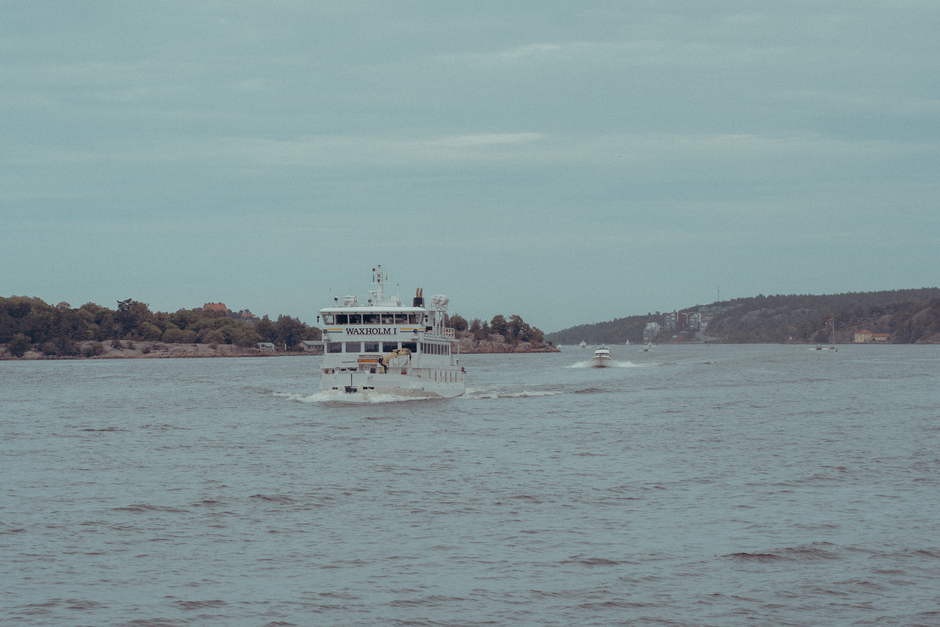
Vaxholm is the archipelago town many people aim for first because it’s reachable by commuter rail and still feels like a proper “island weekend” in miniature.
- Typical door-to-door time: about 2 to 4 hours each way once you include ferry time buffers and walking around the harbour.
- What to do: explore the fortress/harbour area, then spend time on waterfront promenades and cafés.
- Pre-book: in summer, it’s wise to secure ferry connections and any timed activities in advance, especially on weekends.
- Cost shape: expect to pay for ferry tickets on top of standard rail fares. Food costs can add up quickly once you’re at the harbour.
Nynäshamn: Outer-Island Day Trips (Seasonal Ferries)
If you want a more “outer archipelago” feel, use Nynäshamn as your rail-and-ferry gateway. From there, seasonal ferry routes can take you toward quieter island settings—perfect for a nature-forward day.
- Typical door-to-door time: about 3.5 to 6 hours each way, depending on which island you choose and how much time you give yourself for transfers.
- What to do: choose a landing point with the right vibe for you—think harbour strolls, short hikes, and slow lunch breaks rather than trying to cover everything.
- Pre-book: often necessary in peak season. Reserve ferry tickets early, and double-check whether you need to plan around limited return sailing times.
- Cost shape: train is the baseline; ferries and island-side meals/tickets make the day pricier.
Booking and Timing Tips So the Day Trip Doesn’t Stretch Too Far
Build a Schedule With Real Transfer Time
Even with a train-first plan, you’ll lose time to walking, platform changes, and waiting for the last part of the connection.
Use this rule of thumb when planning:
- Add 20–40 minutes for local transfers and getting from the station area to the old town.
- Add buffer around ferries: you want time to arrive early, not just “on time.”
- Pick a return time you can defend (a later return can be expensive with missed connections, but an early return can be frustrating if the day runs long).
Pre-book Only What Actually Sells Out
Not every element needs reservations, but some do—especially in summer.
Pre-book when:
- You’re relying on seasonal ferries.
- You want a specific timed-entry museum/castle slot.
- You’re travelling during a weekend peak when train capacity and ferry cabins can get tight.
For the train itself on short hops, you can usually keep things flexible—just aim for a departure that gives you a full afternoon rather than arriving late.
Choose Your Day Trip by Pace
It helps to match the itinerary to your energy level.
- If you want history + low hassle: Uppsala, Sigtuna, and Västerås.
- If you want one anchor attraction and easy walking: Mariefred.
- If you want water, views, and island time: Vaxholm and Nynäshamn-based island ferries.
What to Do Next
Pick two options: one historical town (for a guaranteed, train-first day) and one archipelago route (for the ferry day with the best scenery). Then check the current train connections and—if you’re travelling in the warmer months—confirm ferry sailing times early so your return doesn’t force a rushed ending.