

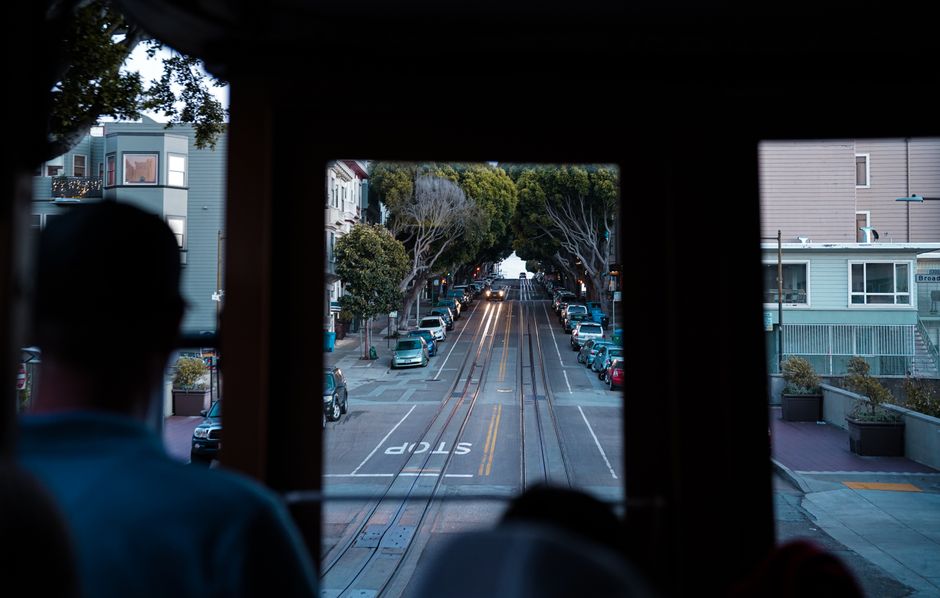
If it’s your first time in San Francisco, choosing a neighborhood matters as much as choosing sights. The city’s hills, traffic, and ever-changing bus routes can make “close to everything” feel like “nowhere fast.” A better approach is simple: stay where you can use public transport reliably, walk to daily essentials, and avoid spending most of your time climbing and waiting.
Below are the best neighborhoods for first-time visitors who want strong access to BART and Muni (plus decent walking options). Each option is chosen for transit convenience and day-to-day practicality, not just landmark proximity.
Downtown and SoMa: Fast Transit Access and Easy Getting Around
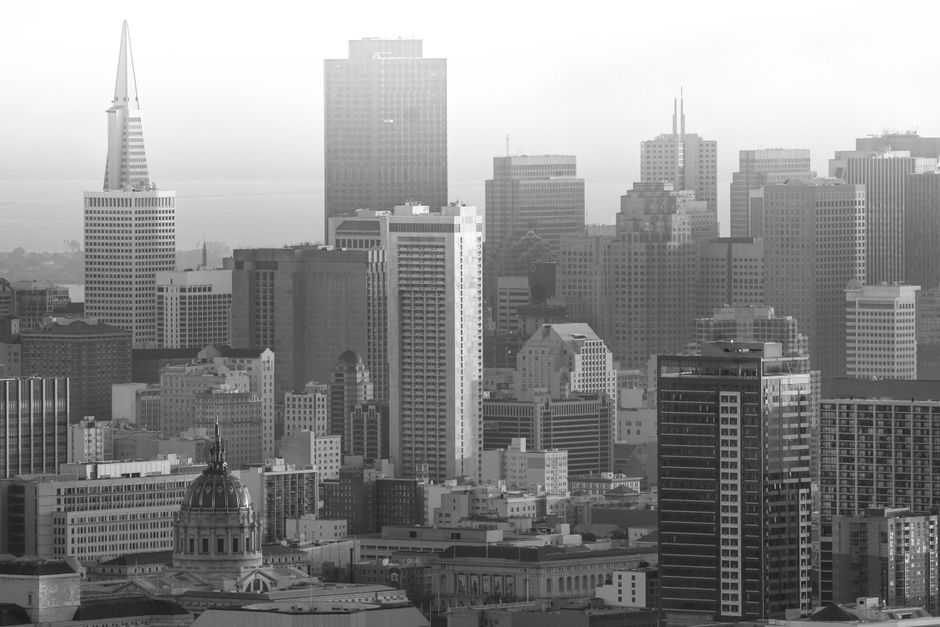
Walkability for a first trip
This area is good when you want everything within reach: coffee, pharmacies, grocery basics, and plenty of evening dining. Streets here are typically less residential, but that often means fewer “last bus” worries than staying far out.
That said, Downtown/SoMa can feel busy and commercial. If you’re sensitive to crowds or prefer quieter evenings, you’ll want to choose a side street over front-of-hotel lobbies on major avenues.
What to know before you pick it
- You’ll do more walking on flat ground than in hillier neighborhoods, but you may still hit steep blocks if you wander.
- Weekdays can be denser for business travel; evenings can vary by street.
- If you’re looking for a neighborhood feel, Downtown/SoMa can feel more like a base than a “hangout.”
North Beach and Chinatown: Cable Car Convenience and Easy Neighborhood Strolls

Practical advantage: you can combine walking for short distances with transit for the steeper or longer segments.
Walkability and daily convenience
This is a strong “first-timer” base because it balances convenience with atmosphere. You’ll find plenty of casual dining, bakeries, and everyday services nearby, and it’s easy to spend an afternoon drifting between streets rather than building a strict route.
North Beach in particular is lively in a way that feels fun, but Chinatown can be busier during peak hours. If you prefer a calmer morning routine, look for lodging a few blocks away from the busiest corners.
What to know before you pick it
- Some streets are steep; if you have mobility limitations, plan your walking routes around main corridors.
- Expect crowds around popular dining strips during weekends.
- If your goal is quiet downtime, choose quieter blocks and avoid nightlife-heavy stretches.
Civic Center and Hayes Valley: Central, Stylish, and Well-Served by Muni
The transit mix for day-to-day trips
Civic Center and Hayes Valley are excellent when you want central access without feeling like you’re always in the middle of the downtown rush. You’ll have frequent Muni service and easy connections to BART via nearby stations in the broader Civic Center/UN Plaza area.
This is the zone that often works well for travelers who plan to use public transport but still like the option to walk to dinner.
Walkability with “neighborhood” energy
Hayes Valley is known for calm, walkable blocks compared with the business-heavy downtown core. It’s convenient for practical errands too—coffee, bakeries, and quick meals are usually within a short walk.
You’ll also find it easier to plan evenings here because you’re not dependent on a single busy strip. Instead, you can switch neighborhoods on foot (or take a quick ride) without feeling like you’re backtracking across town.
What to know before you pick it
- It can be lively at night; if you’re an early sleeper, pick a quieter street.
- Street layouts can shift from flatter corridors to hillier pockets nearby—check the route between your lodging and the nearest main stop.
- This is often a better fit than staying right on the busiest tourist fringes if you want a smoother daily rhythm.
Mission District: Great BART Access and Strong Local Life
Getting to and from Mission fast
Mission is one of the best neighborhoods for using public transportation without sacrificing local character. You’ll be near BART stations around 16th Street Mission and 24th Street Mission, which makes it relatively easy to reach other parts of the city (and beyond) without long transfers.
Muni also connects widely through the area, so you can mix trains and buses depending on where your day takes you.
Walkable pockets and everyday convenience
Mission has a lot of “do-it-yourself” travel energy: grocery runs, street markets (depending on the day), casual eats, and neighborhoods within neighborhoods. It’s a solid choice if you want more than sightseeing—something that feels like you’re living in San Francisco for a few days.
Expect hills. Many streets are walkable, but you’ll likely deal with slopes. If you’re carrying luggage, taxis and ride-shares can reduce the strain, especially when moving between transit stops and your lodging.
What to know before you pick it
- The vibe can change block by block; reading the surrounding street context matters.
- Some stretches are very popular at night. If you want quieter sleep, look a bit farther from nightlife corridors.
- If you’re planning early mornings, be prepared for city sounds—Mission is active.
Castro and Duboce Triangle: Central, Transitable, and Easy to Set Up Days
Transit access you can rely on
Castro and Duboce Triangle are a strong base for first-time visitors because you’re close to frequent Muni service—especially along corridors that make cross-city travel simpler. The area is connected to Market Street transit patterns and is served by light-rail lines and buses that help you avoid long detours.
You’ll also be in a reasonable position for reaching downtown and other central neighborhoods without constant planning.
Day-to-day comfort and walking options
This part of the city offers a neighborhood feel with good practical convenience: cafes, groceries, and everyday services tend to be accessible. It’s also a great choice for travelers who want to explore on foot in calmer, residential-feeling pockets.
Compared with more purely commercial bases, Castro can feel more personal—yet you’re not stuck far from major transit. That balance is what makes it work well for first-timers.
What to know before you pick it
- Expect hills and longer walks uphill; plan routes with transit as the “reset button.”
- The Castro area can be busy in the evenings; choose a location that isn’t right on the main crowds if you want quiet.
- If your travel style is mostly early starts and late returns, the transit convenience helps reduce friction.
What to Do Next Before You Book
Pick two neighborhoods from the list based on the kind of days you’ll have—business-and-speed (Downtown/SoMa), atmosphere-and-culture (North Beach/Chinatown), central-comfort (Civic Center/Hayes Valley), local-life (Mission), or neighborhood-easy (Castro/Duboce Triangle). Then, compare where you’d actually walk to a main stop and how you’ll travel on your busiest day.
Once you’ve narrowed it down, look for lodging on streets that reduce steep detours to the nearest transit access—especially if you’re arriving with luggage.