


If you’re visiting Osaka for the first time, the “right” neighbourhood is the one that keeps trains simple. You’ll move between Umeda, Namba, and the sightseeing pockets around the Bay and Tennoji, so staying near a major station (or two lines that cross) saves time every day.
Below, you’ll find five areas ranked for commutability, walkability, nightlife level, and straightforward access to the city’s highlights—without turning your evenings into a long commute.
How to Choose the Right Base (Near Trains)
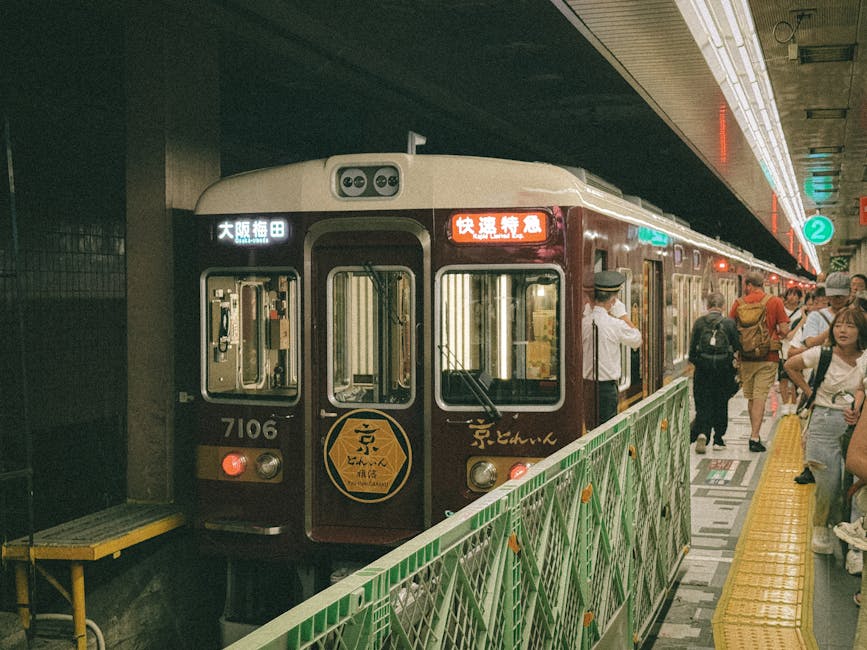
- Commutability: how many key lines you can reach quickly (JR Loop Line, Osaka Metro Midosuji, and connections into Kita and Namba).
- Walkability: whether you can do dinner, convenience stores, and short sightseeing legs on foot.
- Nightlife level: how lively the area is after dark—especially around station exits.
- Access to major attractions: how easily you can reach the main “gravity points” (Downtown/Namba, Umeda, Osaka Castle area, and Tennoji).
A quick reality check: hotels closest to the most central hubs often cost more and book out first for peak weekends. If you’re flexible on dates, that small shift can make a big difference.
1. Umeda (Osaka Station & Kita): The Fast, Walkable Hub

You’ll choose Umeda if:
- you want fast transfers with minimal backtracking
- you like a cleaner, more business-and-shopping feel at night
- you plan day trips to multiple directions and want one reliable base
In practice, you’ll find walkable shopping streets around Osaka Station and easy access to the Osaka Metro network that fans out toward Namba, Tennoji, and the bay-side areas. Evenings are lively, but it tends to feel more “city centre” than street-festival.
What to watch for:
- it can be less romantic and more practical than downtown
- some nightlife clusters are more spread out, so you may walk more than expected
Where this area shines:
- morning starts that require quick transit
- travellers who want to return to the hotel without navigating complicated transfers
2. Namba & Shinsaibashi: Big Nightlife Energy With Easy Rail Access
If Osaka is the nightlife and food city you imagined, Namba and Shinsaibashi deliver. You’ll be steps from major subway lines and close to the JR connections that keep your route planning straightforward.
You’ll choose this area if:
- you want high-energy evenings right outside your hotel
- you care about compact walking distances for meals and shopping
- you don’t want to trade nightlife for convenience
Downtown stays active late, so you’ll rarely feel stranded when you return after dinner. During the day, it’s easy to step from your accommodation to street markets, shopping arcades, and the main canalside and shopping corridors.
What to watch for:
- this is one of the most crowded and tourist-heavy areas
- some streets around popular sights can feel tightly packed at peak times
- hotel prices often rise faster here than in quieter neighbourhoods
Smart approach for first-timers:
- aim to be near a station entrance that matches the lines you’ll use most often (so you’re not walking up and down multiple levels)
- if you’re sensitive to noise, prioritise a side street over the busiest avenues
3. Tennoji & Abeno: Best Balance for Sights, Food, and JR Reach
Tennoji is a strong “middle” choice. You’ll get solid train connections (including JR options) while still being able to walk to plenty of dining and relaxed evening spots. It’s especially good if you want easy access to the southern attractions without anchoring yourself in the most hectic downtown core.
You’ll choose Tennoji/Abeno if:
- you want JR-friendly access plus subway lines
- you prefer more local energy over the busiest tourist streets
- you’d like a base that works well for both daytime sightseeing and night food
Walkability is practical rather than flashy: you can step out for meals, casual shopping, and short sightseeing legs without feeling like you need taxis constantly. After dark, the area keeps moving, but it usually feels less intense than central Namba.
What to watch for:
- parts of Tennoji can vary block by block, so choosing the exact station-adjacent zone matters
- some attractions may still require a transfer or a short ride, depending on where you’re going
This is often a great pick for travellers who want to see more of Osaka in fewer days while keeping hotel commutes manageable.
4. Nakanoshima & Kitahama: Quieter Evenings With Great City Access
If you want a calmer stay without losing transit convenience, Nakanoshima and Kitahama are worth considering. This is Osaka’s river-and-museum side, close to key lines that keep you connected to both Kita (Umeda) and downtown.
You’ll choose this area if:
- you prefer quieter nights and more relaxed walks
- you want easy access to cultural stops
- you still want direct routes into major station hubs
Walkability is strong along the river and around museum and business zones. It’s also a good neighbourhood for a slightly slower pace—especially if your itinerary includes mornings that start early and evenings that are better spent with a short walk than a long trek.
What to watch for:
- nightlife is usually lighter than Namba
- restaurant choices can be excellent, but they may feel more “destination” than “wanderable street festival”
Best for:
- couples and solo travellers who want convenience with a quieter atmosphere
- stays where you’ll spend long blocks on foot during the day
5. Temmabashi (Temma) & Tenjinbashi-suji: Old Osaka Streets With Handy Lines
Temmabashi and the Tenjinbashi-suji shopping area offer something different from the biggest hubs: a local-feeling base with a walk-friendly main shopping spine and strong access to north–south movement.
You’ll choose Temma if:
- you like streets that feel lived-in rather than purely tourist-focused
- you want an area that’s easy to navigate without crowds dominating every hour
- you plan to split time between Umeda and other central destinations
This neighbourhood works well because you’re not far from major transfer points, and you can often move between north Osaka and other key areas with fewer detours than you’d expect. Evenings tend to be more casual than flashy, with plenty of places to eat without the pressure of staying out late for entertainment.
What to watch for:
- compared with Namba, you may need a short ride to reach the loudest nightlife pockets
- the best areas for walking are often clustered, so choose a hotel that puts you on the same side of the station exits as your main plans
A practical advantage for first-timers: Temma is a strong “buffer” base. When plans shift, you still have a reliable way back.
Final Thoughts: Pick the Base, Then Book by Station Exit
Start by matching your priorities: Umeda for maximum rail flexibility, Namba/Shinsaibashi for the fullest nightlife and easiest car-free wandering, Tennoji/Abeno for a smart south-side balance, Nakanoshima/Kitahama for calmer river walks with connections, and Temmabashi if you want local streets with handy train access.
Once you decide on an area, choose your hotel by how close it is to the station entrance you’ll actually use most—station layouts can turn a “close” stay into a frustrating daily climb. Book early for weekends, especially in the most central, high-demand neighbourhoods.