

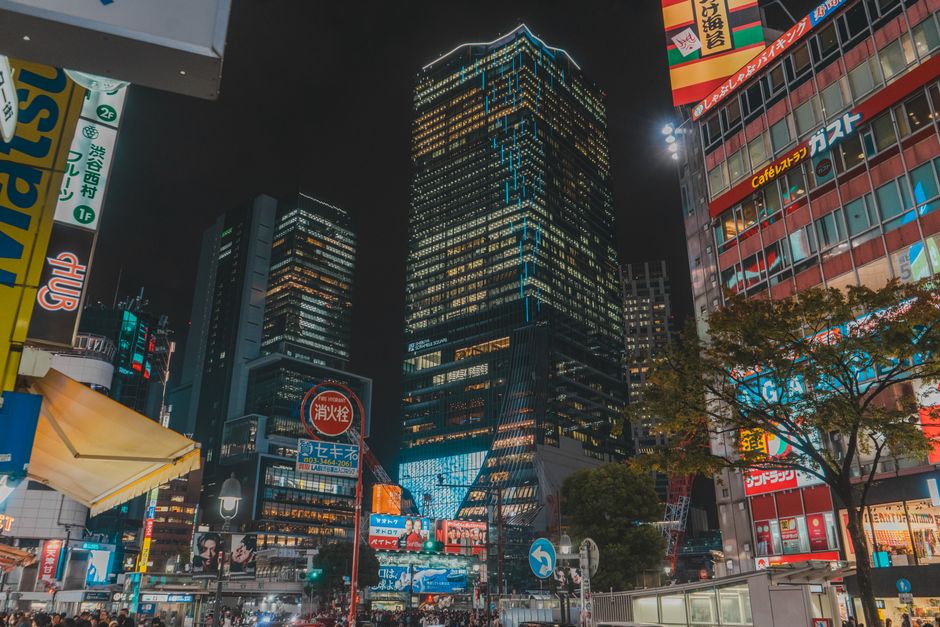
If your theater nights start around Shinjuku and you want nightlife close by (but not necessarily right in your bed), your hotel location matters more than in most parts of Tokyo. The good news: Shinjuku sits on major JR and subway lines, so you can aim for “easy return” rather than “perfect walking distance.”
Below are the most useful neighborhoods to stay in when your priorities are (1) getting to venues near Shinjuku without long transfers, (2) handling late-night noise, and (3) keeping your return route simple.
Shinjuku (Kabukicho and Shinjuku-Sanchome): Loud, Late, and Most Convenient
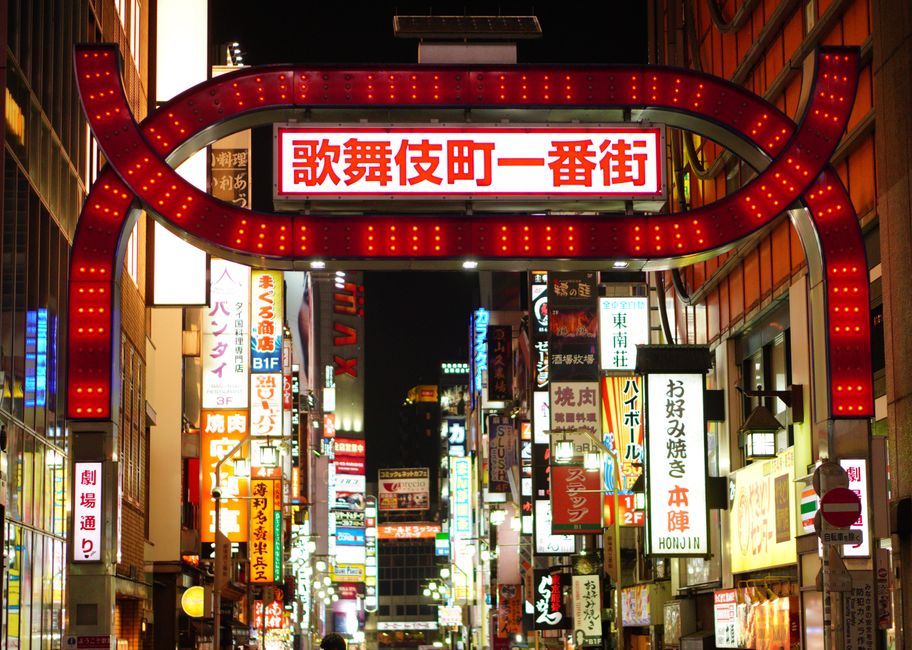
For theater hopping
When you want the “just a few stops” life, Shinjuku is the most flexible base. From here, you can reach areas across the city that host performances without committing to one single show neighborhood.
What to expect for most travelers:
- A dense cluster of venues, cinemas, and performance spaces in and around Shinjuku
- Simple connections via JR lines (including Yamanote-style ring access) and major subway routes
- Fast last-mile routes after late curtain calls
Nightlife tolerance: where the noise comes from
Kabukicho is the loudest option. It’s fun and convenient, but the alleyways and storefronts can feel rowdy late into the night.
To keep it comfortable:
- Choose a room on a side street rather than facing the busiest entrances
- If you’re light-sleeping, prioritize higher floors and quieter room layouts
Best for convenience over calm
Shinjuku is ideal when your plan is “show first, decide nightlife after.” You’ll spend less time thinking about transit and more time moving on impulse.
Nishi-Shinjuku: Skyscrapers by Day, Easy Metro to Late Shows

Walkability that still keeps you connected
You can still get to Shinjuku’s nightlife and many venue areas without long commutes. The advantage is that Nishi-Shinjuku is more “business-city” than “street-party,” so the immediate surroundings tend to be calmer.
Typical pattern:
- Short walks to major stations and transit access
- Quick subway rides to theater zones when you don’t want to walk back through crowds
Comfort-first evenings
This area is often a good match if you want:
- A smoother morning after a late show
- More predictable hotel blocks (less random street noise)
- An easier route back if you end up eating late
Best for: late shows plus better sleep
Nishi-Shinjuku works especially well when your schedule includes earlier showtimes, or when you plan to do one big night but still want a comfortable base the rest of the trip.
Okubo: K-Town Energy Without Losing Shinjuku Access
Okubo sits just east/south-east of Shinjuku and is known for its Korean-focused dining and nightlife. You still get the “near Shinjuku” benefit, but the vibe can feel more niche and less tourist-heavy.
Nightlife and bars with a different flavor
Okubo can be a great choice if you like:
- Late casual dining and lively bar streets
- Live music bars or modern izakaya-style hangs (depending on the block)
- A scene that feels distinct from the biggest Shinjuku entertainment hubs
It’s often lively, but the intensity can be different from Kabukicho. If your goal is “energy without constant chaos,” this is worth considering.
Transit: easy return after shows
Because you’re close to Shinjuku’s network, you usually won’t need complicated planning to get back. Expect frequent service on the main lines around the area, plus straightforward last-mile routes to your hotel.
A practical rule:
- If you want to minimize late walking, pick a hotel within a short walk of a station exit you’ll recognize after dark.
Budget-friendly, but choose your street
Okubo can offer better value than the most central Shinjuku hotspots. That said, nightlife proximity still means some streets will be noisier than others—especially near bar corridors.
Kagurazaka: Izakaya Lanes and a Softer Night
Kagurazaka is for travelers who want nightlife that feels more “old Tokyo” than “neon strip.” It can be ideal after a theater night when you’d rather stroll than sprint back to your hotel.
Evening atmosphere: quieter, characterful, and walkable
Kagurazaka’s lanes are known for:
- Classic izakaya streets and small dining spots
- A calmer pace after performances
- A sense of neighborhood rather than a constant crowd flow
If you can handle late nights occasionally but want your sleep protected most nights, Kagurazaka is a strong bet.
Theater access: quick hops, not guaranteed front-row
You may not be as “step-out-and-into-any-venue” close as central Shinjuku, but transit options make it manageable. This neighborhood works well when you’re okay with short subway or JR rides after the show instead of a long night walk.
Noise level: usually more forgiving
Compared with the busiest Shinjuku blocks, Kagurazaka tends to be less relentless. It’s still lively, but the soundscape often feels more conversational than party-alley.
Yotsuya: A Quieter Base With Fast Links Back to Shinjuku
Yotsuya can be an excellent choice if your priority order is “sleep well” first, then “still reach late nightlife.” It’s not about going viral on social media; it’s about having a reliable base when the day schedule gets packed.
Calm streets with practical connectivity
Yotsuya offers a more residential feel, while keeping you within reach of major lines that serve Shinjuku and nearby theater areas.
You’ll typically find:
- Less street noise outside of specific restaurant corridors
- Easier “walk back to your room” moments
- Still enough transport nearby to get to Shinjuku when you want the bigger nightlife
Good for: earlier shows and later dinners
If you’re planning a mix—say, one evening theater show and another night that includes dinner, bars, or a longer stroll—Yotsuya helps you avoid paying the “every night is a party” tax.
Late returns: plan your final train or taxi point
When you’re coming home after a show, having one simple route helps. In this part of Tokyo, taxis can be useful when you’re tired and want door-to-door convenience; if you’d rather avoid that, choose a hotel near a station exit that’s well lit and straightforward to reach at night.
Next Steps: Pick a base and book with your venues in mind
Start by writing down your two or three most important theater stops (and roughly when you’ll leave after). Then choose the neighborhood where you can either walk comfortably back—or take one easy train hop—without stitching together multiple transfers.
When you’re ready to book, prioritize “station proximity plus quiet room placement” over chasing the flashiest address. A calmer street a 5–10 minute walk away from the loudest blocks often gives you the best theater-and-nightlife balance.