

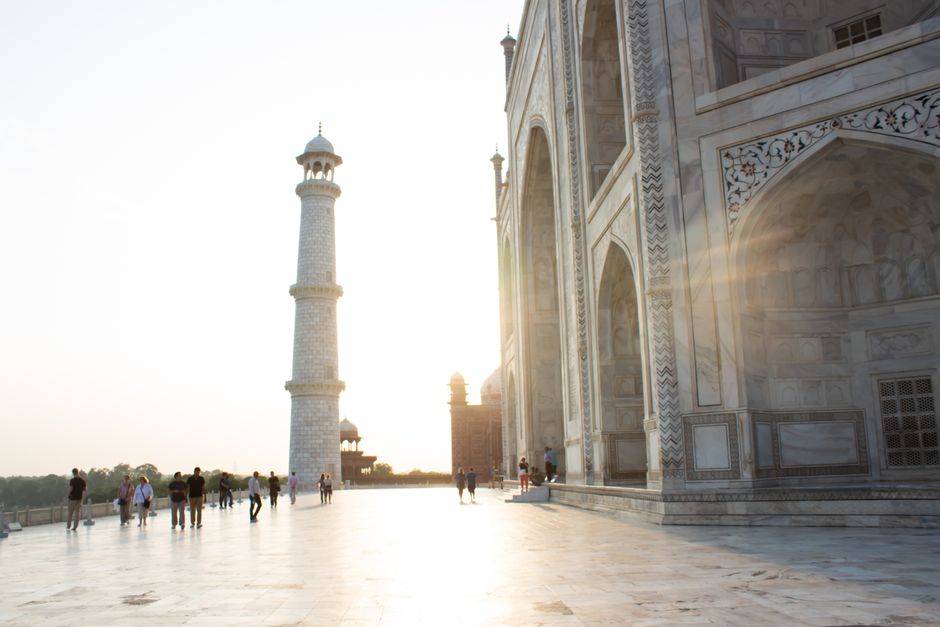
Planning a self-guided trip from Delhi to the Taj Mahal and Agra Fort is mostly about timing. If your train gets you into Agra early, you’ll spend less time in queues and more time inside the monuments. Below is a practical, step-by-step way to build your day (or split it over two days) using trains, with clear checkpoints from ticket buying to final entry gates.
1) Plan Your Delhi-to-Agra Train Day
Choose the right train arrival window
For a smooth Taj + Agra Fort plan, aim to arrive in Agra early enough for a first-entry style experience. A good rule is:
- Taj Mahal first: arrive so you can reach the monument area before the biggest mid-morning crowd.
- Agra Fort second: schedule it for later in the day so you’re not queueing twice at peak times.
In practice, that usually means selecting a Delhi→Agra train that gets you into Agra in the morning and giving yourself buffer time for road traffic and security checks.
Use the correct Delhi and Agra stations
Delhi has more than one rail station, and Agra’s gateway station depends on the train you choose. Before you book, double-check the pairings in your ticket details:
- Delhi departure station: often Hazrat Nizamuddin or New Delhi (varies by train)
- Agra arrival station: often Agra Cantt for onward travel to the Taj Mahal and fort
If your train arrives at a different Agra station, don’t panic—just plan for an extra local transfer buffer.
Build a realistic “train → monument” timeline
Use this logic to avoid stress:
- Train arrival time in Agra
- Local transfer buffer (road traffic + drop-off search)
- Monument entry buffer (security line + ticket counter)
- Visit block (Taj is typically easier earlier; Agra Fort works better after)
- Return train buffer (you need time to reach the station before departure)
A common mistake is scheduling so tightly that one slow platform change at the station forces you to miss your entry order.
2) From Agra Station to the Taj Mahal
Transfer logic from Agra Cantt to the Taj Mahal area
Most travellers start at Agra Cantt and then take a taxi/rickshaw/car for the last stretch. The road distance is not huge, but traffic can swing your travel time depending on the time of day.
To keep things predictable:
- Leave the station with a plan to arrive at the monument area early, not exactly at the moment you want to enter.
- Prefer a direct drop at a clearly marked gate area so you don’t spend time walking from a farther parking zone.
- If you’re using a car or rickshaw, confirm the drop-off point in advance (the Taj area has multiple entry approach roads).
Ticket checkpoints before you reach the main gates
Before you see the marble, you’ll usually pass through several checkpoints:
- Security screening at the monument entry area (bags and belongings may be inspected)
- Ticket verification at the counters or entry lanes
- ID requirements (often you’ll be asked to show identification matching the ticket details, especially if you bought a time-based entry)
Bring a small bag that you can manage quickly. The faster you move through the screening area, the less time you lose.
Where to position your Taj Mahal visit
The Taj Mahal can feel overwhelming if you arrive when everyone else does. A practical approach:
- Arrive early enough that you can start your first walkthrough before the strongest crowd surge.
- Use the first part of your visit to orient yourself, then slow down for the details.
- Keep an eye on your exit time so you don’t rush into the next queue at Agra Fort.
If you’re travelling on a weekend or during a local holiday season, treat “early” as even more important.
3) Agra Fort: Tickets, Entry Lanes, and the Right Order
Know how Agra Fort entry typically works
Agra Fort has its own ticket area and security screening separate from the Taj Mahal. Expect:
- A separate entry checkpoint and screening process
- A ticket counter or verification step before you enter the fort grounds
- Rule reminders around allowed items (especially large bags and some photography setups)
To avoid re-queueing:
- Keep your ticket/ID ready in the same place each time.
- If there’s a “ticket holders” lane, use it—don’t assume the fastest-looking queue is the correct one.
Plan the monument flow inside the fort
Agra Fort is easier when you don’t zig-zag. A simple self-guided flow is:
- Start with the main fort-entry area and take a first sweep to identify viewpoints
- Move through the key buildings/inner courtyards in a loop
- Leave the most photographed areas for when you’re already inside the fort rather than trying to hunt them down while queues grow outside
Best sequencing: Taj first vs. fort first
If you’re doing a single day, the usual logic is Taj Mahal first because it benefits more from early arrival. Agra Fort can still be very rewarding later, and shifting it to a later slot helps you manage crowd pressure across both sites.
If you have limited daylight, build your order around whatever monument you most want to experience without rushing.
4) How to Avoid Peak Entry Lines at Both Monuments
Use early arrival tactics that actually change your experience
Peak lines don’t just slow you down—they change the quality of the visit. To reduce time in queues:
- Go early (aim for the morning entry window at the Taj Mahal)
- Choose weekdays when possible
- Avoid arriving at or just after the time most group tours start
Even if you don’t control the exact ticket time, arriving early still helps you clear security and counters faster.
Understand where queues form (and what you can control)
Most delays happen at predictable points:
- Security screening if you arrive with messy bags or too many items
- Ticket verification if you don’t have the right details ready
- Entrance lanes if you end up behind a group entering at the same time
What you can control:
- Have your ID and ticket details ready before you reach the counters
- Keep your bag light and easy to screen
- If multiple lanes exist, choose the one that matches your ticket type (don’t guess)
Travel-proof your day against common bottlenecks
A self-guided day can unravel if you depend on perfect road traffic. Build in a cushion:
- Add extra time between station pickup and monument entry
- Don’t plan a late return train immediately after your last photos—allow time to re-enter queues and get back to the station
If you’re travelling during a busy season, treat your itinerary like a plan with “soft edges,” not a strict timetable.
5) Self-Guided Route Options That Fit Your Time
Classic full-day route (Taj Mahal + Agra Fort)
If you want to see both highlights in one day, use this order and pacing:
- Taj Mahal (early start to reduce peak entry time)
- Local transfer to Agra Fort (allow buffer for traffic)
- Agra Fort later in the day before you head back to the station
Consider keeping your on-foot time steady—walking continuously inside both sites can be tiring, especially in warmer months.
Split-day option (less rushing, more comfort)
If your schedule allows a longer break in Agra, splitting your visits helps you avoid stacking peak crowds into the same window. A common approach is:
- Day 1: focus on Taj Mahal and nearby viewpoints
- Day 2: focus on Agra Fort and any remaining gardens or tombs
This reduces the “transfer + re-queue” stress and makes the trip feel more relaxed.
A simple list of add-ons (only if you have time)
If you’re ahead of schedule or want one extra photo-friendly stop, these are common add-ons around the Taj/Agra Fort area:
- Taj Mahal
- Agra Fort
- Mehtab Bagh (river-view gardens)
- Itimad-ud-Daulah (often called the “Baby Taj”)
- Chini Ka Rauza (decorative tomb area)
If your goal is strictly Taj + Fort, it’s still worth keeping one add-on in your pocket—but don’t let it disrupt your return train timing.
Next Steps
Check which Delhi departure station matches your preferred train and confirm your arrival into Agra is early enough for a first-entry style Taj visit. Then plan your transfers with buffer time for security and traffic, and choose an order that puts Agra Fort later so you don’t hit both sites at their busiest moments. Finally, pack a light bag with your ID and ticket details kept ready for every checkpoint.