


If you’re deciding between a classic downtown base and a more residential stay, Clift Royal Sonesta San Francisco is worth a close look. It sits in a central, high-energy pocket near Union Square and Nob Hill, so your commute to many of the city’s sights is usually straightforward. The main question for you will be less about “is it connected?” and more about “what kind of view and street feel do you want?”
Hotel Layout: How the Space Works for Your Stay

You’ll generally find that the hotel’s common areas are made for short stays in between plans: coffee, quick meet-ups, and resetting before going back out. If you prefer to spend downtime inside quietly, it’s worth planning on using your room as the main “off” switch, rather than expecting the lobby to function like a lounge.
Room placement and what it changes
Because city hotels stack rooms vertically, small layout choices matter. You’ll typically get a better chance at a sense of space and light on higher floors, while lower-floor rooms can feel more tied to the street and nearby buildings.
When booking, pay attention to:
- The floor level (higher is usually calmer and more “city view” focused)
- Whether the room orientation looks toward the densest downtown blocks or toward the direction of Nob Hill
- The distance from elevators/corridors if you’re a light sleeper
If you’re sensitive to noise, request details at booking—don’t assume that every room on the same side of the building will feel identical.
Hallways, privacy, and how it suits different schedules
The hotel’s footprint is meant for a mix of travellers: business guests on tight schedules, couples looking for a central base, and visitors who want to walk to theatre and shopping.
That “mixed audience” shows up in how the building is used: early commuters come and go, and evenings can be lively. If your plan is very early mornings or late nights, aim for a room location that’s as far from elevator activity as possible.
Views and Viewpoints: What You Can Expect to Look At
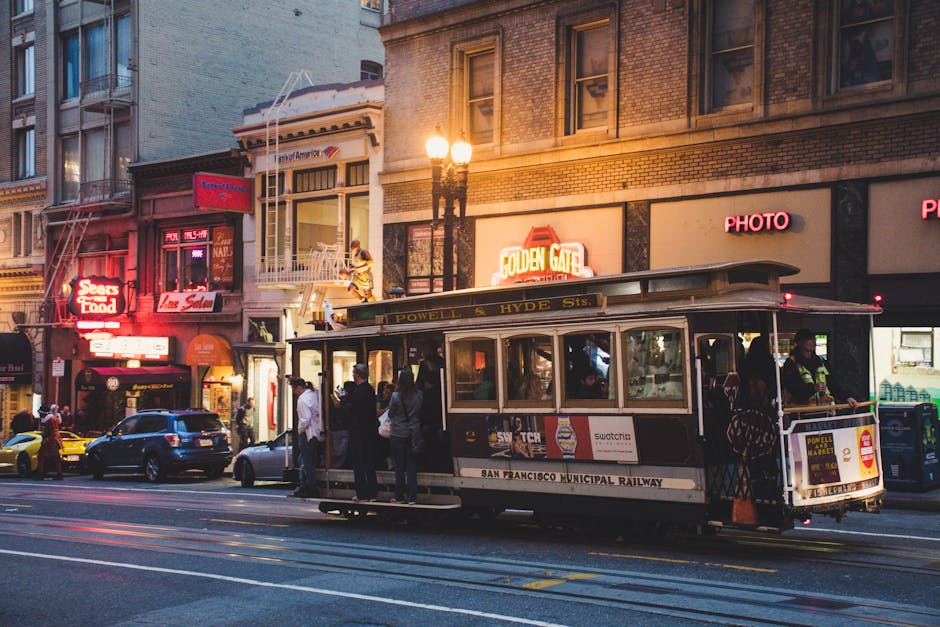
That said, city-view hotels can’t guarantee a particular skyline composition from every room. If “what you see from the bed” matters, ask when booking about the direction your room faces.
Nob Hill and hillside-style outlooks
Nob Hill is close enough that some guests can get an outlook that feels more layered than a straight-on downtown view. Rather than a single flat panorama, you may notice the shape of streets and rooftops stepping up and down.
If you’re travelling as a couple or just want a more scenic feel without leaving the city centre, this is often the kind of view people hope for.
Street-facing vs higher-floor calm
The most practical viewpoint factor is also the least glamorous: street exposure. Even if a room is “on a good side,” downtown streets can bring traffic noise and occasional footfall.
As you compare options, think about what you need:
- If you want to be able to open curtains and look out often: prioritize higher floors
- If you’re a light sleeper: prioritize quiet room placement and ask about street-facing rooms
- If you’ll be out all day: views matter less than bed comfort and after-hours peace
Neighborhood Feel: Union Square and Nob Hill for Different Travel Styles
The energy level around Union Square
This area is convenient, and it shows. You’ll find a strong retail and entertainment presence, with lots of pedestrian movement—especially in the late afternoon into the evening.
If you like walking from plan to plan, you’re in the right place. If you prefer calm, residential streets, you’ll probably spend most of your time either touring or taking breaks back at the hotel.
Day vs night: what changes when you step outside
In daylight, you’ll feel the shopping pace: busy sidewalks, quick errands, and steady foot traffic. At night, the area shifts toward dining and show-going, and you may notice more people moving through nearby blocks.
This swing helps different travellers:
- Couples: easy to pair meals with performances without long rides
- Solo travellers: straightforward navigation and plenty of activity nearby
- Families: busy sidewalks mean planning routes with care, especially with strollers
Where the hotel fits best (and where it doesn’t)
Clift Royal Sonesta San Francisco works best as a base for people who want to be in the action—walkable to central districts and well connected for getting across town.
It may feel like overkill if your priority is a quiet, low-footfall neighbourhood or a view that looks out into nature. In that case, you might compare it with hotels positioned further from the busiest downtown blocks.
Walkable highlights near the hotel area
You can usually build an itinerary around these destinations without committing to long detours:
- Union Square
- Westfield San Francisco Centre (Union Square shopping)
- Powell Street transit area (BART connections)
- Cable car stops around Powell Street
- Nob Hill neighbourhood streets
- Chinatown edges and walking routes
- Downtown Financial District blocks
Getting There and Getting Around: Fast Connections Without the Stress
Getting from San Francisco airports
Getting in and out tends to be manageable, but timing can vary a lot because city traffic changes throughout the day. If you’re coming from San Francisco International Airport, expect travel time to depend heavily on time of day and chosen transfer method.
When you’re planning your arrivals, build in a buffer. A central location helps, but it doesn’t eliminate traffic.
Muni, cable cars, and walking
From this part of town, public transport is usually practical. You’ll be able to use the wider Muni network to hop between districts, and the cable car area around Powell Street is a major anchor for both commuting and sightseeing.
Walking is often a viable option for:
- Short hops between Union Square, nearby shopping streets, and downtown corners
- Getting to major stops for transit rather than waiting for a ride
For longer trips, buses or trains often beat relying on ride-share during peak commute periods.
If you’re driving or using ride-share
If you’re renting a car, downtown can add friction. Curb space is limited and traffic can be unpredictable, so you’ll likely want to plan for parking and allow extra time.
For most travellers here, a “car-lite” approach works better: use public transport and walking within the centre, then choose a car/ride only when it saves meaningful time.
Who Should Stay Here—and What to Double-Check
Best for theatre-goers and downtown explorers
If your itinerary includes shows, shopping, and a lot of time spent in central districts, this hotel’s location is a major advantage. The neighbourhood supports a “step out and choose your next stop” style of travel.
Best for business trips with easy city access
For business schedules, the central position helps reduce friction. You’ll be close to downtown offices and can usually reach many key meeting areas without complicated transfers.
Still, the trade-off is that the area can feel busy. If you need deep quiet for early calls, ask for the quietest room options available.
Double-checks before you book
Before you commit, you’ll be happiest if you confirm a few details:
- The floor level you’re booking for view potential and noise control
- Whether the room orientation is likely to face quieter directions versus the busiest streets
- Any policies that affect day-to-day comfort (for example, how early you can access your room on arrival)
Also, if you’re picky about views, don’t rely only on “city view” wording—request direction or floor guidance when booking.
What to Do Next
Start by matching your travel style to the neighbourhood: if you want walkability to downtown and easy transit access, this area is strong. Then, during booking, prioritize higher floors and quiet room placement if your top needs are calm and light. If views are a priority, ask how your room orientation is set rather than assuming every “city view” room looks the same.