


If you’re aiming to do Bergen’s harbour sights on foot, your best move is to stay close to Bryggen and the Strandkaien/ferry side of the waterfront. You’ll also want a neighbourhood where you can get to the Fløibanen (funicular) without a taxi, and where the Bergen Sentralstasjon area doesn’t feel like a long slog.
Below are the most practical areas to base yourself—chosen for walkability to Bryggen and easy ferry access, while still giving you straightforward routes to Fløibanen and onward travel.
Best-Located Areas for Walkability to Bryggen and Ferries
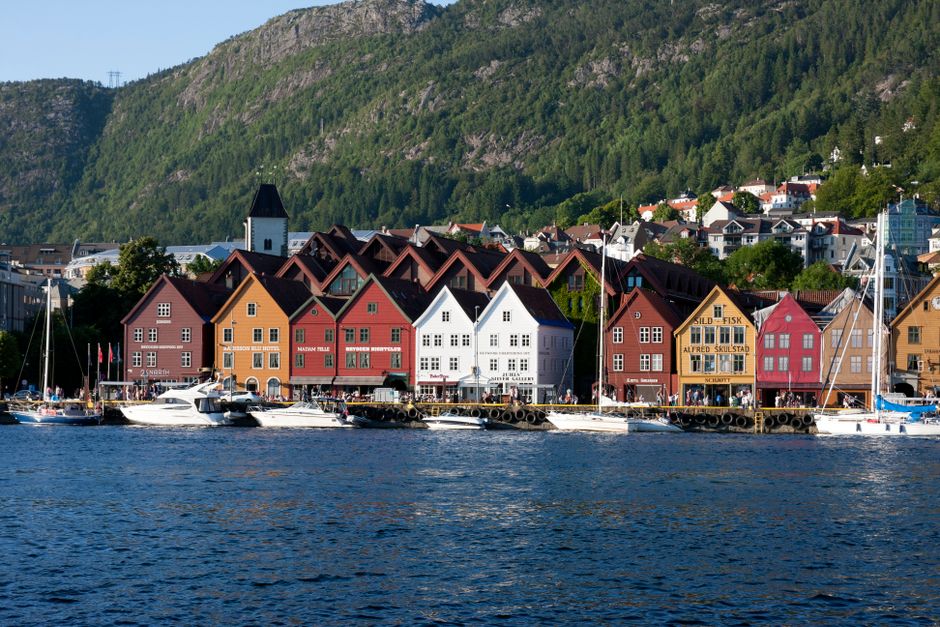
Bryggen and Marken (historic harbour lanes)
Staying around Bryggen and Marken is the choice if you want maximum “step outside and you’re there” convenience. The area is compact, scenic, and ideal for morning and evening walks along the UNESCO waterfront.
What you’ll like:
- Very short walks to Bryggen and nearby harbour departures
- A strong variety of cafés and small restaurants within easy reach
- Easy sightseeing without relying on buses
What to watch for:
- Accommodation can be among the most expensive in the city
- In summer, the streets can feel busy late into the day
- Older buildings mean fewer large rooms and less modern soundproofing in some places
Good fit for: first-time visitors who want the harbour experience right from your doorstep.
Torgallmenningen and Sentrum (central streets and squares)
If you want convenience without being right inside the busiest harbour lanes, base yourself around Torgallmenningen and the wider Sentrum area. This is where you’ll find strong transport connections and plenty of practical stores.
Why it works for trains and ferries:
- Walkable to the ferry side via the waterfront
- Straightforward access toward the train station area
- You can usually reach Fløibanen with a short trip rather than a long detour
What to watch for:
- Some streets are lively in the evenings
- Rates vary widely; central properties can cost a lot more than you expect outside peak weeks
Good fit for: travellers who want a central hub and don’t mind “city life” outside their door.
Vågsallmenningen and the harbour approach (close to key departures)
This area sits between the central streets and the harbour side, giving you a strong compromise: you’re close enough to the water for ferries and harbour walks, while still staying in a more straightforward grid of streets.
Why people choose it:
- Easy routes to waterfront departures
- Generally good walking access to Bryggen
- Often a good balance of price versus location
What to watch for:
- You may hear traffic at times depending on how close you are to major roads
- In peak season, popular properties can book out quickly
Good fit for: travellers who want ferries and Bryggen close, but prefer a slightly less “museum-like” atmosphere than Bryggen proper.
Easy Fløibanen Access Without Losing Ferry Convenience

Festplassen and Lille Lungegårdsvannet (lakeside-to-funicular convenience)
Festplassen and the lakeside stretch near Lille Lungegårdsvannet are practical for the way Bergen’s centre is laid out. You’re well positioned for the Fløibanen and for reaching both the harbour walks and the city’s main transport corridors.
Why it’s a smart base:
- Quick access to Fløibanen without long transfers
- Walkable reach to Bryggen-side routes (especially in good weather)
- A calmer feel than the most hectic harbour lanes in many spots
What to watch for:
- Some properties are best for short stays (not always large rooms)
- Expect premium pricing during fjord-peak months
Good fit for: couples and solo travellers who want the funicular easy, plus smooth day-to-day city access.
Nordnes (characterful streets with harbour proximity)
Nordnes is a strong choice if you like residential charm but still want to be near the water. It’s often a touch quieter than the closest Bryggen lanes, yet you can still reach the harbour side without a complicated commute.
Why it works:
- Pleasant neighbourhood feel with good views in places
- Walkable access to the ferry side and central waterfront routes
- Usually an easier night-time atmosphere than the busiest core streets
What to watch for:
- Hills and steps can appear as you move up and down the coastline
- Some streets take longer on foot in winter daylight conditions
Good fit for: travellers who want charm and calm, and don’t mind the occasional incline.
Quieter Alternatives Still Within Reach
These areas can be less crowded and sometimes better value, while keeping you in practical distance for trains, ferries, and waterfront trips.
Nygårdshøyden (more space, still close to the centre)
Nygårdshøyden gives you an efficient “city edge” base. It’s a practical choice when you want more options in accommodation and a slightly calmer street feel than the immediate waterfront.
Why it’s convenient:
- Still close enough for walk-and-transit days
- Easy connections toward Fløibanen’s lower area
- Straightforward access to the train area without needing taxis for every outing
What to watch for:
- Waterfront ferries are possible by foot, but you’ll often mix walking with short public transport rides
- Neighbourhood character can vary street to street
Good fit for: travellers who prefer calmer streets and wider accommodation options, even if you won’t always walk every single segment.
Bryggen’s next-door back streets (a small lift in calm)
If you find accommodation just a little inland—still within easy walking distance of Bryggen but not right on the most tourist-saturated lanes—you can gain quieter mornings while keeping the harbour within reach.
How to judge if it’s the right spot:
- Check how long it actually takes you to reach the waterfront at your arrival time (even 5 extra minutes matters)
- Look for streets that feel residential rather than commercial at the back of the harbour district
- Prioritise a place with reliable lift access or easy stairways, depending on your luggage
Good fit for: repeat visitors and anyone who wants the best of both worlds—harbour access with less foot traffic.
How Close Do You Need To Be to the Train and Ferry Side?
Bergen is compact, but the experience changes depending on where you start your day.
For the train station area
If you’re arriving by train and want minimal hassle, aim for a base where you can reach the station area by foot in roughly 15–25 minutes, or by a short ride when the weather turns. Central locations around Sentrum and the areas closer to the harbour usually reduce the “first-day logistics” stress.
For ferry departures
For local ferries, the key is being on the correct side of the waterfront. Staying near the Bryggen/harbour side usually means you can walk to your departure point without crossing multiple major barriers.
A simple rule of thumb:
- Choose a place that keeps you within a 10–20 minute walk of the waterfront ferry landings you’re most likely to use.
- If your plan includes early starts, prioritise a straight walking route over scenic detours.
For Fløibanen funicular rides
Fløibanen is most convenient when you’re staying near the lower station area around Festplassen. If you’re in Nordnes or Bryggen proper, you’ll generally still manage it without difficulty—just expect more steps or longer walks depending on the exact property.
Booking Tips for Peak Weeks (and How to Avoid Price Traps)
Bergen can feel fully booked during fjord-peak months and weekends, especially for properties in the most central harbour lanes.
What to book early
If you’re travelling in summer or on a long holiday weekend:
- Book accommodation several months ahead if you want a central, walkable location
- Consider flexible room types (if available) rather than only the most “high-demand” sizes
- Check whether breakfast or flexible check-in is part of the value, especially in busy months
Where prices often jump
You’ll usually see the strongest premiums in:
- Bryggen and the most photogenic harbour lanes
- Properties with harbour views, even when the interiors are modest
- Rooms that require minimal stairs and are consistently popular with couples
If you’re trying to keep costs under control, compare a central-but-not-immediate-harbour street (Torgallmenningen/Sentrum or a back-street option near Bryggen) against the most iconic waterfront front.
When to choose a slightly less central base
You may do better financially (and sleep better) if you move 5–15 minutes away from the busiest harbour streets. Nygårdshøyden and parts of Nordnes often provide that “quiet-with-connection” balance—especially if you’re happy to use a short bus/tram ride occasionally.
Next Steps: Pick Your Base and Lock It In
Start by choosing the vibe you want: maximum harbour immersion (Bryggen/Marken) or a central practical hub (Sentrum/Vågsallmenningen) or a calmer convenience zone (Festplassen/Nordnes). Then check the walking route from your shortlist to both Bryggen and the ferry side—timings matter more than the map pin.
Once you’ve picked an area, book early for peak weeks and prioritise easy check-in and stair/lift access so your first day in Bergen feels straightforward.