

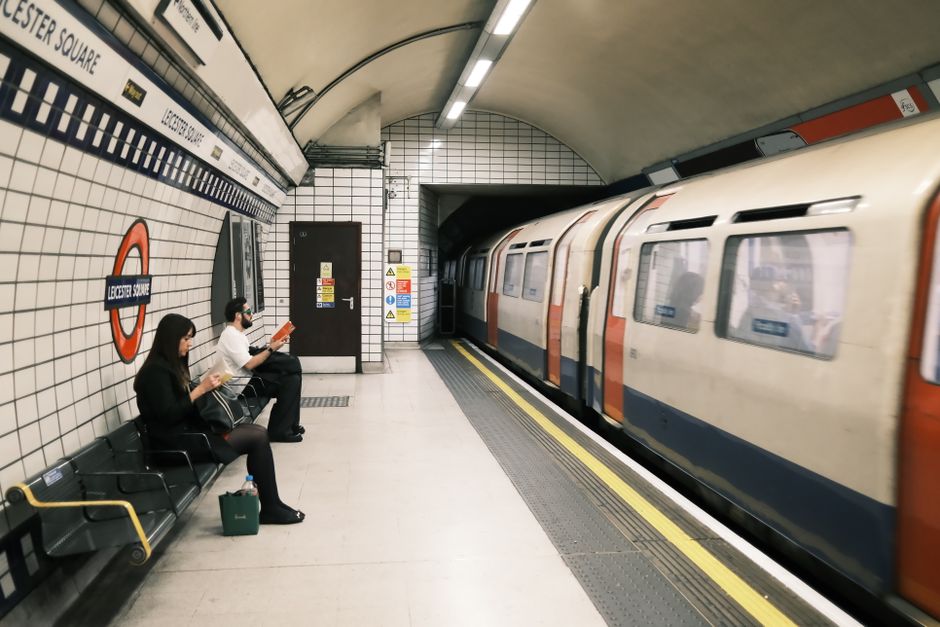
How Tap In and Tap Out Works
Using contactless on London transport is designed around one simple habit: you touch in at the start of your journey and touch out at the end. The system uses those taps to work out the route and calculate the correct fare.
At the gates and station entry
On the Tube, DLR, and most rail-style services, you’ll typically see contactless readers near station entrances and platform access points.
What you should do:
- Tap in when you enter the station area (or at the reader before the gateline).
- Tap out when you leave at your destination (again at the reader before you exit).
- Keep the same card/phone for the whole trip so the system links taps correctly.
If the journey includes multiple parts, the “end” is the last exit where you would normally leave the fare-paid area.
On buses and trams
For buses, the process is usually different from the Tube: you normally tap in when boarding. You typically do not tap out at the end of the bus ride.
For trams, you’ll usually tap at the start of your ride at the reader(s) provided.
If you’re mixing transport types, the key is this:
- Tube/rail-style journeys: tap in and tap out.
- Buses/trams: typically tap in when boarding.
What counts as a “contactless” payment
Contactless travel works with a supported contactless bank card or a mobile wallet/phone that can be used for contactless payments. To avoid problems:
- Make sure the phone/card you plan to travel with is the one that actually performs the payment.
- Avoid switching between different cards or different phones mid-journey.
- Don’t expect the system to “guess” which payment method you intended.
If you travel frequently, a consistent setup (one phone wallet, one bank card) saves time at the readers.
Fare Capping: What You Pay in a Day
London’s contactless fares are built around a cap. That means you shouldn’t keep paying more and more across the day—the system tops your spending at a maximum once you’ve reached the daily limit.
Daily caps and pay-as-you-go pricing
Contactless is generally charged like pay-as-you-go Oyster journeys. The system keeps track of what you’ve already paid and then applies fare capping for the day.
What to expect:
- Early charges in the day can look higher because the cap is applied based on your overall activity.
- The final amount for the day is determined by the taps you made.
Zones and travel across different areas
London fares depend on where you travel. When your route crosses zones, the capped total depends on the mix of journeys you made.
To make fare capping work in your favour, you’ll want taps to be accurate:
- Tap in/out at the correct points.
- If you travel across the city and return later, the system will still apply the daily cap to what you did that day.
Why charges can look confusing at first
Bank statements often show individual authorisations/charges that may not match what you’ll end up with after processing. That’s normal.
A practical rule:
- Treat the day as “pending calculation” until all journeys for that date are fully processed.
If something clearly looks wrong (for example, you never tapped out but a low fare appears), check the way your taps were recorded and fix missing touches as described below.
Transfers and Interchanges Across Services
Transfers in London are handled through the tap-in/tap-out record. You usually want to avoid “breaking” the journey logic by changing payment methods or missing a tap.
Tube-to-train connections and gate-to-platform moves
If you change from one Tube/rail service to another within the same wider journey, what matters is that the system sees your taps as a continuous trip.
In practice:
- Don’t tap out early if you’re still travelling to your final exit.
- Do tap out when you actually finish and leave the fare-paid area.
If you enter a station, exit through a barrier, and then continue later, you may trigger a new fare instead of an interchange.
Changing buses as part of the same day
For bus travel, you’ll typically tap in at boarding. If you keep taking buses and your journey includes multiple bus legs, the system can still apply the correct overall charges for that day.
Tip for smoother transfers:
- Keep using the same contactless payment method across the whole day.
- If you accidentally tap in with the wrong card/phone, you may see charges that don’t reflect your intended route.
Using the same card/phone to keep things linked
Transfers work best when the system can confidently match taps.
Avoid these common mistakes:
- Using two different cards on the same day (even if they’re in the same wallet).
- Switching phones after a tap-in.
- Letting a contactless reader pick up an unexpected payment method.
If you’re carrying more than one contactless card, consider keeping only the one you plan to use readily accessible.
If You Forget to Tap Out (or Tap In)
Forgetting a tap happens. London’s system is built to handle it, but you may see a higher charge first while the journey is corrected.
What typically happens when you forget to tap out
If you tap in but don’t tap out, the system may treat the journey as incomplete and apply a missing touch style fare (often closer to a maximum/penalty-type amount until corrected).
This isn’t always the final outcome—but it’s the one that commonly appears on a bank statement first.
How to fix a missing touch
If a tap-out is missing (or tap-in is missing), you can usually request a fare adjustment by submitting the details of the issue so the system can match the journey.
When you do this, have ready:
- The date of travel.
- The payment method used.
- Any identifying information you can see for the journey charge.
Because processing and matching can take time, it’s best to act quickly rather than waiting weeks.
Preventing repeats on busy days
On crowded days—events, weekends, or peak commuting—missed taps are more likely. A few habits help:
- Pause for a second at the gate before moving through.
- Use a consistent payment method (same card/phone).
- If you’re entering and exiting frequently (for example, changing platforms), keep an eye on whether your tap-out reader is inside your exit flow.
If you’re unsure whether a reader is for that point in your route, it’s safer to ask staff at the station than to guess.
Next Steps
Before you travel, decide which contactless payment method you’ll use and keep it consistent across the day. Then practise the rhythm: tap in at the start, tap out at the real end of the Tube/rail journey, tap in when boarding buses/trams. If something goes wrong, address it promptly with a missing touch correction request.