

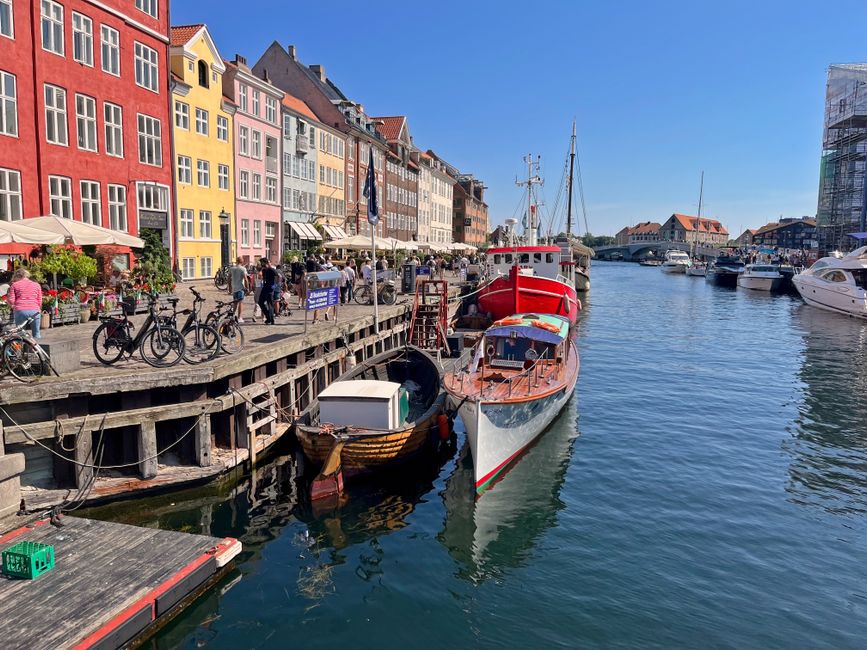
Nyhavn Morning: Set Up Your Canal Walk
You’ll get the best mix of water views and manageable crowds by starting in the morning and treating the route like a slow, food-led stroll rather than a checklist.
Aim for a departure from Nyhavn that gives you breathing room for a first bite before you head inland. In practical terms, that usually means late morning or early afternoon depending on what you want to prioritise—canal photos, a quick lunch, or market shopping without feeling rushed.
What to do first at the harbour
Start at the waterline and take 10–15 minutes to orient yourself:
- Notice where the pedestrian streets meet the waterfront so you can rejoin the route without backtracking.
- Pick one “anchor” photo spot, then move on. Nyhavn can feel crowded when tours overlap.
- If you’re carrying a bag, keep valuables close—busy waterfront streets can get shoulder-to-shoulder.
How long the walk actually takes
Nyhavn to Torvehallerne is a straightforward city walk. Expect roughly 40–60 minutes at a relaxed pace, longer if you stop often for views, coffee, and small tastings along the way. Plan for another 30–60 minutes inside the market (more if you want to browse stalls calmly).
Canal-Side Route: From Nyhavn to the Inner City Edge
This route keeps you moving on foot through classic central Copenhagen, with frequent chances to pause for canal and harbour atmosphere.
Your key stops on the way
Use these as waypoints—don’t feel you must do everything in order. You’ll naturally pass through them as you walk.
- Nyhavn waterfront: start with harbour-front atmosphere and a quick look at the masts and colourful facades
- Gammel Strand: a calmer stretch for canal-adjacent views and a breather from the densest crowds
- Højbro Plads: good pedestrian flow for quick photos, then back onto the main streets
- Strøget: window-shopping energy, ideal for a small snack or coffee rather than a full meal
- Nørreport area edge: the transition point where the streets get more local and you’re almost at the market
- Torvehallerne entrance: where the pace shifts into ordering, tasting, and short lines
When the crowds shift
Copenhagen foot traffic is strongly time-dependent:
- Midday on weekdays is often easier than weekend lunchtime.
- Later afternoons can bring a second wave of day-trippers and shoppers.
- If you’re sensitive to noise and queues, you’ll have a smoother experience by arriving at Torvehallerne earlier rather than later.
Transit Breaks: Short Pauses Without Detours
You’re walking from a harbour district to a food market near the city’s main transit area, which means it’s easy to “fix” a tiring day by taking micro-breaks.
Coffee, then keep walking
Instead of stopping repeatedly, choose one café-style pause and keep it purposeful. A good pattern is:
- Grab a drink near the route midpoint.
- Use that stop to decide whether you want a light lunch or plan to go straight into market eating.
If you’re aiming for a calmer market experience, consider having only a small bite on the street so you’re hungry enough to enjoy the stalls without feeling forced to buy everything.
Use daylight for photos (and for comfort)
If the weather is changeable, you’ll enjoy the canal sections more when visibility is good. Cloudy days still work, but you’ll want to dress for short bursts of wind off the water. Keep an umbrella handy and avoid heavy bags—Torvehallerne is easier to navigate when you’re not fighting crowds with one arm full.
Torvehallerne Food Market: When to Arrive and How to Queue
Torvehallerne is where your day becomes a tasting plan. The trick is arriving at the right moment for the kind of shopping you want—quick bites, calm browsing, or a sit-down pace.
Timing strategy that reduces queues
Because stalls can get busy when multiple people arrive at once, the queue experience depends on when you show up:
- Arrive earlier to catch the first round of orders and browse longer before lines build.
- If you go later, expect more waiting at popular counters and fewer “lingering” minutes.
- During peak shopping windows, aim to order quickly rather than debating for 10 minutes in front of the menu board.
A practical rule: decide your first two purchases before you reach the counters. It keeps you moving and stops you from overpaying for convenience-only items.
How to queue efficiently once you’re inside
Inside the market, queues are usually stall-specific. To stay self-paced:
- Queue at one counter at a time and step aside once you’ve paid so you don’t block anyone behind you.
- If you’re tasting multiple stalls, alternate hot and cold items—too many similar dishes back-to-back can feel heavy.
- Keep a simple “budget lane” in your head. It’s easy to drift into a dozen small purchases when everything looks appealing.
What to buy (so you don’t end up with random leftovers)
A good day here is usually 3–5 items total: one for salt, one for something fresh, and one sweet. Use this short food list as a decision guide:
- Smørrebrød-style open sandwiches from a sandwich stall
- Seafood or seasonal fish choices (grab-and-go portions when available)
- Fresh pastries for a quick sweet reset
- A hot bowl or warm dish if you want the market to handle “dinner”
If you spot a stall with a line, it’s not automatically “better”—it may just be busier. Choose what fits your appetite and move on.
Meal Timing Done Right: From Snacks to Market Dinner
This itinerary is designed so your meals feel intentional rather than accidental. You’ll typically eat in three stages: a light start near Nyhavn, a mid-walk pick-me-up (optional), and a market-led main meal.
A realistic pacing plan (self-guided)
Use these as a flexible template. Adjust by 30–60 minutes depending on your pace and the weather.
- Late morning / early afternoon: leave Nyhavn and walk steadily, using waypoints for photos
- Around the time you’re ready for lunch: choose either a small street bite or head directly into Torvehallerne for a market-first meal
- Market time: order your first two items quickly, then browse for one “main” item and one sweet finish
- Late afternoon: if you still want food, share a warm dish or take a pastry to-go rather than starting a second full meal
Smart order flow for less waiting
When you enter Torvehallerne, don’t try to do everything at once.
- Start with something that’s efficient to order (often a sandwich-style counter or a ready-to-serve hot item).
- Then switch to browsing for the rest of your choices while the first items settle.
- Save your sweet for last so you don’t lose the flavour of your savoury picks.
Costs: plan a “tasting” budget
Exact prices vary by stall and portion size, but market food in central Copenhagen typically doesn’t feel like bargain street food. Expect to pay for quality ingredients and small-to-mid portions. If you want to keep costs predictable, commit to a set number of items before you queue, then stick to it.
What to Do Next
If you’re travelling soon, pick your target arrival time at Torvehallerne first—then build the walk around it. Choose a late-morning or early-afternoon slot based on whether you prefer quieter browsing or a faster-moving queue.
When you’re ready, map your walking pace (for example, 45–60 minutes) and decide which two market items you’ll buy immediately on arrival, so your day stays relaxed rather than rushed.