

Choose the Right Location for Your First Ryokan Night
A ryokan can feel like a reset button—but only if it matches your travel style. Start by deciding where you want the day’s rhythm to happen: sightseeing, relaxing, or a mix of both.
Onsen towns vs city stays
Many first-time visitors think “ryokan = hot springs,” so onsen towns can be an easy starting point. You’ll usually get a quieter atmosphere, smaller streets, and more time to enjoy the baths.
In larger cities, ryokan stays can be more convenient for day trips, but you may spend more time on trains and less time in a traditional setting.
Pick the area based on how you’ll move each day
You don’t need to overthink geography, but you do want the base that reduces friction.
- Onsen towns with walkable streets: best for relaxing, bath-hopping, and evenings without rushing
- Areas near major sights: best if you’re planning museums, temples, and day tours and want fewer transfers
- Scenic countryside locations: best if you want slower mornings and views, with travel time built in
- Between-route stops: best when you’re moving between regions and want one “traditional” night on the way
Match the ryokan to your comfort with transport
If you dislike long last-mile journeys, prioritise places where you can reach the ryokan without complicated transfers. Many ryokan are not right beside a station, so check the location wording carefully and plan an arrival method you’re comfortable with.
Choose a Room Type That Fits Your Comfort
Ryokan rooms look simple, but the details matter—floor space, sleeping setup, bathing options, and privacy. A first-time stay goes smoother when you choose a room that supports your routines.
Tatami rooms and futons
Traditional tatami rooms are a core ryokan experience. Many offer futon bedding that staff lay out for you in the evening and tidy away in the morning.
If you’re sensitive to sleeping on a firmer surface or prefer a bed frame, don’t assume all “tatami rooms” feel the same—compare the bedding photos and the room size.
Modern variations: western beds and hybrids
Some ryokan blend tradition with comfort, adding western beds or switching part of the setup. These can be a good first step if you want the atmosphere but know you’ll struggle with futon sleeping.
Private baths vs shared baths
Bath access is one of the biggest differences between ryokan. Some stays rely on shared onsen/bath facilities; others offer private bathing options that feel more like a “bookable perk.”
- Tatami rooms with futons: classic feel; staff setup usually makes it easier than doing it yourself
- Western beds in a ryokan room: easier sleep for first-timers; still keeps the ryokan character with décor and service
- Rooms with private bathroom (en-suite): practical choice if shared bathing feels intimidating
- Shared baths with scheduled/private-time options: common in traditional stays; lets you manage crowding
- Suites with a private hot spring bath: best if privacy is the priority; confirm how the private bath is accessed
Check how the room layout affects day-to-day life
Even if you don’t mind the traditional style, look for practical signals in the photos:
- where you’ll store luggage
- how you’ll move around futons
- whether the toilet is separate from the washing/bath area
- how “open” the room feels with sliding doors and partitions
Understand Meal Expectations Before You Book
Ryokan meals are often the highlight—but they’re also where expectations most commonly clash. In particular, understand that “dinner included” doesn’t always mean the same level of formality.
Kaiseki dinner: the multi-course rhythm
If the ryokan offers kaiseki (seasonal multi-course dinner), you’ll typically have a set menu served in multiple small dishes over a few hours. Pacing can feel slow in a good way, but it’s not usually a quick buffet.
Expect variety: seasonal vegetables, seafood or meat (depending on the menu), soups, simmered items, and subtle flavour pairings. Alcohol may be available as an add-on, and some guests choose to stay dry—either way is fine, but you should confirm the plan.
Breakfast: often simpler than dinner, still set
Breakfast is usually a curated Japanese set rather than a buffet-style free-for-all. You may see grilled items, rice, miso soup, pickles, and seasonal sides.
Dietary needs: ask early, not at check-in
Ryokan can handle many requests, but the important part is timing and clarity. Contact the property before arrival if you have allergies, avoid certain ingredients, or need a vegetarian or child-friendly option.
- Kaiseki multi-course dinner: seasonal, served in stages; plan for a longer dining window
- Breakfast set: a planned Japanese-style meal rather than a buffet
- Tea and sweets: often appear as part of the evening flow (especially in traditional services)
- Dietary alternatives with advance notice: the best results come from early communication about what to avoid
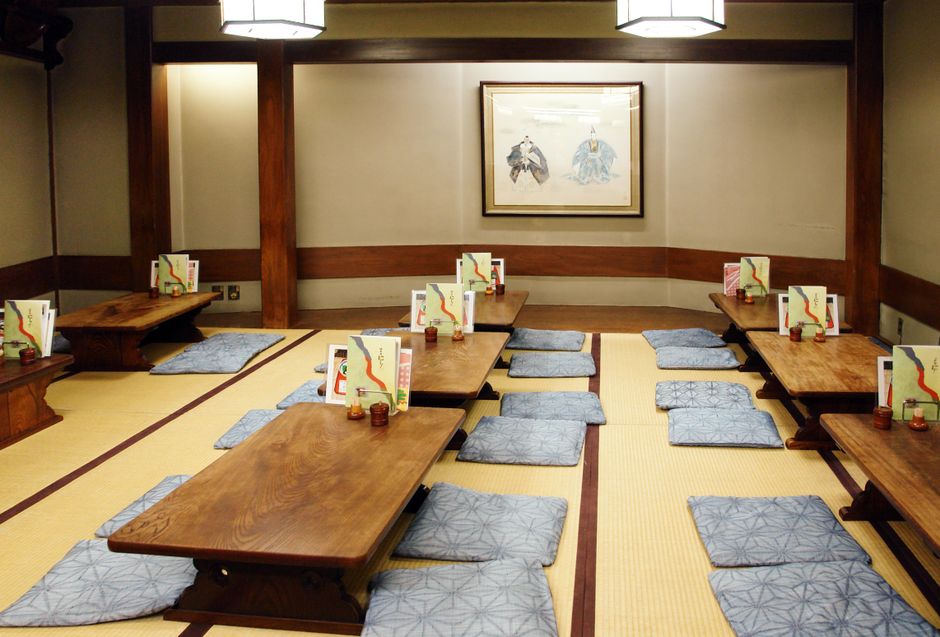
- Low-table or floor seating: confirm seating style if you prefer chairs
Decide whether you want “included meals” or flexibility
Some ryokan packages include dinner and breakfast automatically. Others let you choose meal add-ons or room-only stays.
For a first visit, included dinner can be reassuring because the ryokan handles the flow. If you’re sensitive to unfamiliar foods or timing, consider a plan that gives you more choice.
Read the Small Details: Policies, Baths, and Check-In Flow
Ryokan are service-driven, but they can feel strict if you’re not expecting rules. The goal is to spot anything that could affect comfort—especially around bathing, meal times, and late arrival.
Confirm check-in and dinner timing
Many ryokan arrange dinner around a set schedule. If you arrive late, you may miss the meal window or have limited options.
Look for guidance on:
- latest check-in time (and what happens if you’re late)
- whether dinner is served before a certain hour
- how breakfast is handled if you want an early start
Understand bath etiquette and access rules
Bathing in Japan has norms, and ryokan can have their own versions. Some properties use shared facilities; others provide private baths.
Before you book, check for:
- whether towels are provided and where to use them
- any guidance on tattoos or privacy preferences (policies vary)
- whether there are times when baths are closed for cleaning
Use a quick policy checklist
A short email or message to the property can prevent awkward surprises.
- Check the meal policy for late arrivals
- Ask about seating style for dinner (floor/low table vs dining setup)
- Confirm bath access: shared vs private, and any privacy or time-slot rules
- Request dietary accommodation in advance with specific ingredient details
Plan Your First Ryokan Stay Around Your Route
The best first ryokan experience often comes from timing it well. Ryokan are most enjoyable when you’re not rushing straight through the day and you can enjoy the evening atmosphere.
How many nights usually works best
If it’s your first time, one night is often enough to feel the style and service. Two nights can be better if you want a slower morning, extra time in the baths, and less pressure around sightseeing.
Where to place it in your trip
A ryokan night is usually easiest when it sits in the middle of your itinerary rather than immediately before a long travel day. If you’re moving between regions, consider making the ryokan the “reward” stop—arrive, settle in, enjoy dinner, sleep, and then continue onward.
Choose the vibe you want: calm, culture, or convenience
You can tailor the experience without changing the basics:
- If you want calm: choose an onsen town location where evenings are easy
- If you want culture: choose a base near historical districts but verify bath access and meal style
- If you want convenience: choose a place where you can get to and from your next destination with minimal transfers
Final Thoughts
Shortlist ryokan that match your route first, then compare room setup and meal style. Once you’ve chosen a few, message the property with any non-negotiables—bath access, seating preferences, and dietary needs—and book the one that best fits your comfort level.