

If you are planning a Kyoto trip around food, you will get the most out of the markets by thinking like a local: short stops, small tastings, and a clear budget for snacks versus a proper meal.
Kyoto’s food scene is spread across a few distinct zones. Downtown markets and covered arcades work best for quick bites. Temple and shrine flea markets add variety and atmosphere (but are busier on peak weekends). Around Kyoto Station, depachika food halls make it easy to shop and snack efficiently between sightseeing stops.
Below is a practical guide to where to go, what to look for, and how to budget without overspending.
Where to Go for Kyoto Food Markets
Nishiki Market for everyday tastings
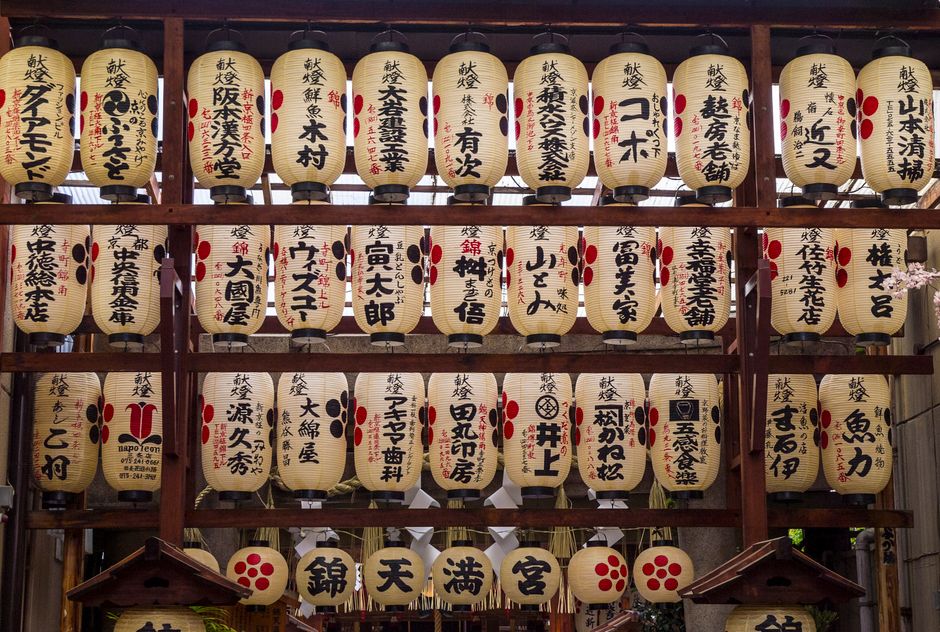
Nishiki Market sits in central Kyoto around Teramachi and Shinkyogoku. It is the most famous market area for visitors, so it is also the most crowded. The upside is variety: you can taste a little of everything—pickles, grilled bites, sweets, and Kyoto staples—without walking far.
Flea markets for browsing snacks with a festival feel
Kyoto’s temple and shrine flea markets are often smaller than Nishiki but more fun for browsing. You will find snack stands, homemade-style treats, and seasonal offerings. They are also date-specific, so build your route around the day rather than trying to “catch it whenever.”
Where locals shop for produce and ready-to-eat food
For a less tourist-heavy vibe, aim for smaller market areas and food halls where people grab lunch, ingredients, and ready snacks. Kyoto Station’s depachika is especially useful if your day includes long walks and you want predictable choices.
Top market areas to add to your route
- Nishiki Market (downtown Kyoto): best for a classic “try everything” first market day
- Toji Market / Kobo-san stalls (To-ji Temple, around the 21st): lively on the right date, great for snack browsing
- Tenjin-san flea market (Kitano Tenmangu, around the 25th): food stalls plus browsing and atmosphere
- Kyoto Station depachika food halls (JR Kyoto area): easy for seasonal sweets, bento-style bites, and gifts
- Nijo Market (Nijo area): a more local option for produce and simple prepared foods
What to Eat at Kyoto Markets
Kyoto signatures that sell out (or run out fast)
Market-famous items tend to be made in batches. If you want the best selection, go earlier in the day and treat “freshly made” as a real advantage, not a slogan.
Small bites that let you taste more in less time
The easiest way to do markets well is to pick a few “anchors” (a signature savoury, a Kyoto-style snack, and one sweet), then fill in with smaller samples as you walk.
Kyoto foods worth tracking down
Look for these foods and snack styles while you are moving between stalls:
- Yuba (tofu skin) with soy-based sauce or simmered in dashi
- Nishiki tamago (sweet rolled omelette), typically sold sliced so you can sample easily
- Obanzai small plates (seasonal Kyoto home-style sides), often served in compact portions
- Tsukemono pickles in multiple flavours—sweet-sour, savoury, and miso-marinated
- Grilled skewers (including chicken and sometimes offal options) for a filling, fast snack
- Matcha sweets such as soft desserts, wagashi-style bites, or simple tea accompaniments
- Sesame-based treats like sesame tofu or goma-dofu-style snacks
- Udon or soba for a quick hot meal when you want something more substantial than street snacks
How to choose when menus are hard to read
You will often see small sample displays or pre-packed portions. If you are unsure, choose based on two things:
- Turnover: items being served constantly usually taste fresher.
- Portion size: look for “one-bite” or “two-bite” formats if you want variety. For a sit-down meal later, skip anything that feels like a full lunch.
Also, remember that market food can be better for flavour than for quantity. If you leave every stall “nearly full,” you will still feel satisfied, but you may miss the chance to try Kyoto signatures.
How to Build a Market Crawl (Without Burning a Whole Day)
Split your day by area: downtown, station, and temples
A smooth market plan usually follows geography:
- Downtown (Nishiki Market area) is best for a morning block. You will cover a lot on foot, and shops are generally easier to navigate early.
- Kyoto Station depachika works well after sightseeing. It is convenient for grabbing snacks or a light meal before an evening walk.
- Temple and shrine markets are perfect as a dedicated half-day or full-day when you already know the date.
Timing: go early for choice, mid-day for energy
Nishiki Market gets crowded quickly, especially around popular sightseeing times. For a calmer browsing pace, plan to arrive early. If you are comfortable with crowds, mid-day gives you more “live” street energy, but expect longer waits at counters.
For date-specific markets, aim to get there with enough buffer to look around before the peak rush. Even if stalls open for food earlier, the broader market atmosphere can build later.
Sample sizes that keep your budget under control
A practical strategy is to treat each stop as one of three categories:
- One savoury Kyoto signature (for example, yuba or a Kyoto-style omelette)
- One warm snack (skewers or a hot noodle portion)
- One sweet (matcha or a sesame-based treat)
Between those, keep the extras to small bites like pickles, mini sweets, or drinks. This approach lets you taste broadly without turning “a few snacks” into an accidental full meal budget.
What to bring for smoother browsing
Markets are fast-paced. Being prepared makes everything easier.
- Cash on hand for stalls that do not accept cards
- Small bills so you do not end up waiting at every counter
- A lightweight bag for boxed snacks and pickles
- A plan for leftovers (especially sweets) if you buy more than you can finish
If you are doing multiple areas in one day, also keep your route simple. Kyoto’s walking can add up quickly, and you do not want to be sprinting between stations just to reach the “next stall.”
Budgeting for Kyoto Market Food
What you can expect to pay for tastings
Budgeting in Kyoto markets is easier if you separate “tasting” from “eating.” Tastings are usually lower-cost, while anything that looks like a prepared meal can add up.
As a rough guide:
- Single snacks and small portions often land in the lower to mid range compared with full meals.
- Hot items like grilled skewers or a small noodle portion usually cost more than packaged sweets or pickles.
- Sweet purchases and gift-style treats can vary a lot, especially when they come in premium packaging.
The key is to decide early whether you are doing markets as your main meal plan or as a snack-and-signatures add-on.
A realistic daily budget style
Most travellers overspend not because market food is “expensive,” but because they buy too many full-price items back-to-back.
A sensible approach is:
- Pick 2 to 4 tasting stops for highlights.
- Add one warmer item if you want something filling.
- Plan a proper meal elsewhere (or later in the day) if your energy needs it.
If you want to control costs, keep your sweet buying to one stop per market block. For gifts, consider buying the most “Kyoto-looking” item near the end, after you have already tasted the basics.
Avoid the common tourist traps
Kyoto has a lot of good food, but the most famous market areas can also be where overpriced “samey” items appear.
Skip anything that:
- Looks like it is priced like a souvenir shop but tastes like a generic snack
- Has little activity at the counter despite the long queue (queues can form for many reasons)
- Offers very large “combo” plates that force you to buy more than you can finish
Instead, choose the stalls with clear preparation, steady turnover, and items you can identify by what they actually look like.
Next Steps: Plan Your Route and Your First Stall
Pick one main market zone for your first day—usually the downtown Nishiki Market area if you want variety—and build a simple plan around two Kyoto signatures plus one sweet. If your trip dates match the 21st or 25th, add one temple or shrine market as a dedicated outing rather than trying to squeeze it into a half hour.
Once you have the dates and areas, decide on a tasting budget style (snacks only versus snacks plus a hot item) and keep your purchases clustered so you are not paying “tired traveller” prices at the end of the day.