

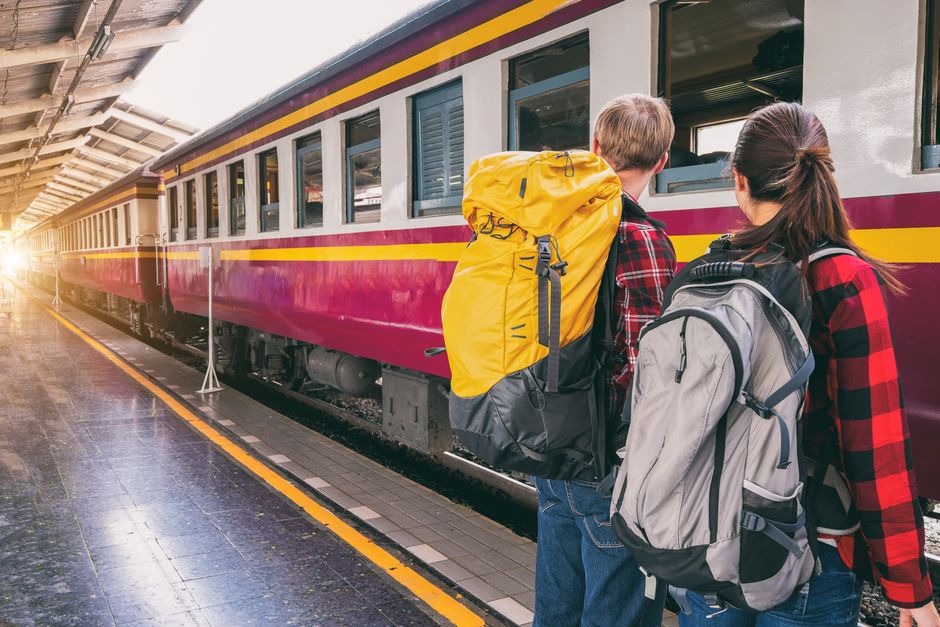
Choosing a travel backpack is less about the biggest capacity and more about how the load moves through your body. A properly framed pack transfers weight to the hip belt, keeps the back panel stable, and lets you walk for hours without hotspots. Use the manufacturer’s load rating as the safety limit, then fit the straps so the pack rides high and stable—especially when you’re carrying uneven weight, wet layers, or camera gear.
Start With the Frame Type (Internal vs External)
The frame is what turns a bag of fabric into a system that carries weight. Even if two packs have the same litre capacity, the frame design changes comfort, stability, and how well the pack matches your torso.
Internal Frame Backpacks
Internal-frame packs sit close to your back and use stays (often metal or composite) plus a suspension web system. They’re a strong choice for travel because they’re easier to handle in stations, on public transport, and in tight hotel rooms.
What you should look for:
- A suspension system that lets you tension the shoulder harness without pulling the pack away from your back
- A back panel that stays in contact when you walk (not just when you stand still)
- Load lifters (small straps running up toward the shoulder area) that help control how high the pack rides
External Frame Backpacks
External-frame packs transfer weight through a visible frame that can feel very “supportive” on long carries—especially with bulky loads. They can also be easier to load and adjust if you’re used to them.
Trade-offs to expect:
- They’re often bulkier in travel spaces and may feel awkward in crowded transport
- They can be harder to pack smoothly because the frame structure adds shape
Hybrid Options for Travel
Some packs use a semi-structured back panel with partial stays. These can work for lighter, shorter trips, but if you expect sustained weight (trail food, water, winter layers, camera kit), you’ll usually be happier with a full internal-frame suspension or a clearly defined external frame.