

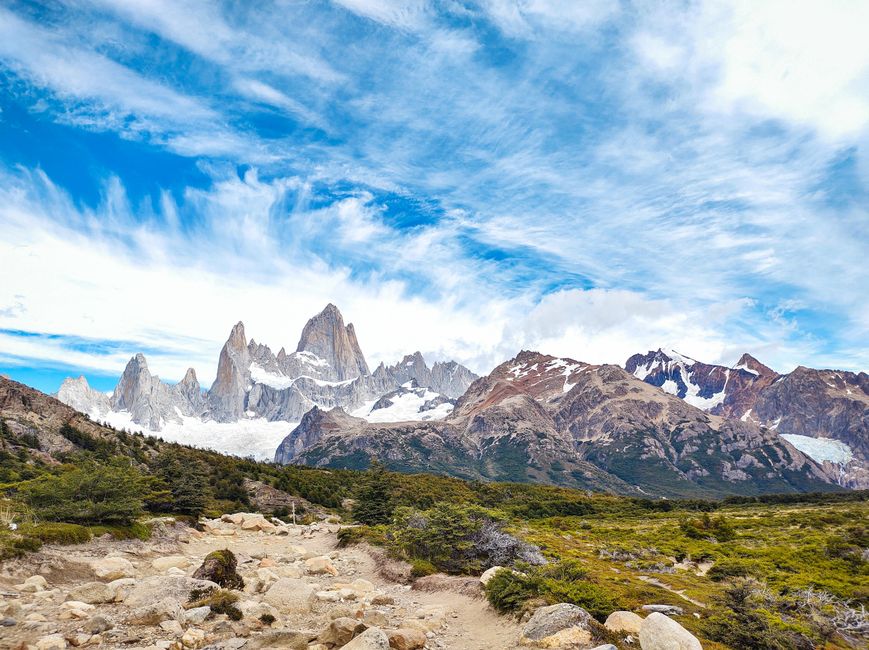
You’ll find Patagonia feels “easy” only when the weather cooperates—and in Patagonia, comfort is mostly about wind and the chance of rain, not just temperature. The good news: you can strongly reduce crowd pressure by planning around the shoulder seasons and by choosing hike styles that match the conditions you’re likely to get.
Below is a way to plan without locking yourself to one single month—because Torres del Paine, El Chaltén and the Chilean fjord regions can feel different even when they share the same calendar.
When Patagonia Weather Feels Comfortable (and why crowds move)

The wind factor you can’t ignore
Comfort hiking in Patagonia usually comes down to whether you’re dealing with sustained wind on exposed ridgelines, not whether the trail is technically “easy.”
- In the windiest periods, you’ll spend more time sheltering, especially on glacier viewpoints and long crossings between valleys.
- Even in summer, gusts can make it feel colder than the daytime temperature suggests.
If your priority is “comfortable hiking,” you’ll want routes that balance exposure: valley sections and lakeshore approaches tend to feel calmer than knife-edge viewpoints.
Rain, snow, and how quickly conditions change
Patagonia weather is changeable. A day can start clear and end with rain, sleet or low cloud—particularly in areas near large glaciers and the Southern Patagonian Ice Field.
Instead of chasing “perfect weather,” plan for a realistic mix:
- Expect more precipitation risk in shoulder seasons than mid-winter (where it’s colder and more often dry in some inland areas), but you may get fewer major storm fronts overall.
- In early autumn and late spring, you often see fewer tour-group days—so even if a shower hits, you’re not fighting crowds at the same viewpoints.
Temperature vs comfort: what actually matters on trail
For hiking comfort, the most important signals are:
- Daylight length (for how late you can push safely)
- How many hours you’ll likely spend in wind
- Whether you’re likely to need traction (mud, snow patches, or icy shade)
This is why a “warmer” month isn’t always the most comfortable hiking month. If the wind is strong, warmer air doesn’t feel like comfort.
Best Shoulder Seasons by Region
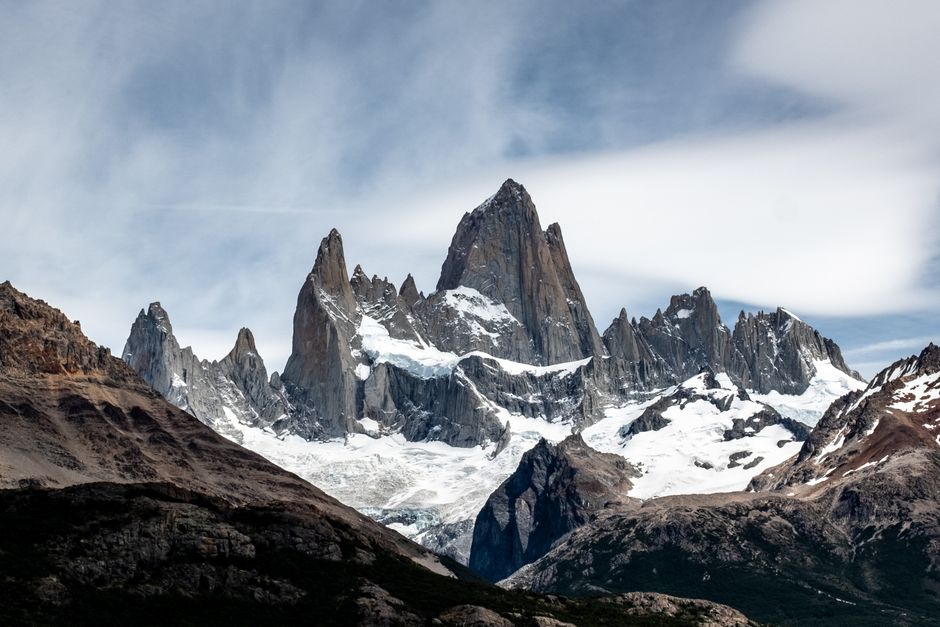
Patagonia is big, and the crowd pattern depends on where you base yourself. Two of the most searched hiking areas—Torres del Paine and El Chaltén—also tend to have different best windows.
Torres del Paine (Chile): late spring and autumn sweet spots
Torres del Paine typically has its highest visitation in the austral summer. To reduce crowd pressure while still hiking in relatively mild conditions, you’ll usually get the best balance in:
- Late spring (November into early December): longer days, generally more trail-friendly conditions than deeper winter, and fewer peak-season tour days.
- Autumn (March into early April): temperatures can feel comfortable in sheltered valleys, and visitor numbers drop compared with January and February.
Tradeoff to plan for: wind still shows up. Shoulder seasons reduce crowds, but they don’t eliminate gusts. If you’re sensitive to cold, prioritise routes with more valley hiking and planned shelter.
El Chaltén and Fitz Roy (Argentina): flexible shoulder windows
El Chaltén’s hiking scene is less about one “single perfect month” and more about choosing when your risk shifts.
Comfort-first windows often include:
- October to early November: cooler but often workable for a full day out, with fewer people than peak holiday periods.
- March: late-summer warmth can bring more comfortable conditions for day hikes, and the crowd pressure eases once the busiest parts of the season pass.
Tradeoff to plan for: March can still bring wet days, and early-season conditions can mean muddy trail sections that slow you down.
The Chilean fjords and Carretera Austral: plan for variety, not predictability
If your Patagonia includes fjords, the atmosphere can be dramatic—but comfort hiking may mean shorter days and more “out-and-back” style routes. The conditions can be cooler and wetter, and getting from place to place can limit how often you can chase good weather.
For crowd pressure, these areas can feel quieter than Torres del Paine, but “comfortable hiking” might come from selecting routes close to where you sleep rather than attempting long, exposed traverses.
Crowd Pressure: Where Quiet Wins, and where it won’t
The busiest pressure points
Even in shoulder season, certain areas concentrate hikers because logistics funnel people toward the same highlights. You’ll notice this most:
- Around famous viewpoint circuits that many guided groups run on the same days
- At trailheads where transport schedules bring people together
- During sunrise/sunset windows at the most photographed lookouts
If you’re aiming for “no crowd pressure,” you’ll need to pair your travel window with hike selection.
How to avoid the “same-day tour” effect
Crowd pressure isn’t only about the number of people—it’s about how they move. You can reduce frustration by choosing patterns that don’t align with the most common group timing:
- Pick hikes that start later in the day when tour groups have already moved on (but still allow enough daylight)
- Choose loops or multi-hour segments that move away from the most immediate hotspots
- Avoid scheduling your entire itinerary around the single most famous sunrise viewpoint
Booking ahead still matters—even when it’s quieter
Shoulder seasons can feel calmer, but entry systems, camping capacity and guided availability can still tighten up around popular parks and well-known routes.
A practical approach:
- Lock in the parts that control capacity first (permits, camp/logistics arrangements if your route uses them)
- Keep your remaining days flexible so you can adjust if wind and rain force a route change
Rough cost guidance: Patagonia trips often skew mid-range to premium once you include transport between regions, park access, and guided support for weather-uncertain days. Shoulder seasons can help by reducing the “peak premium” on services, but they don’t make Patagonia cheap.
Itinerary Tradeoffs: Choose the Condition You Can Handle
Instead of asking “what month is best?”, you’ll get better outcomes by choosing the condition you’re most comfortable trading.
If you want warmer days: late February to March
This window can deliver the most comfortable daytime hiking temperatures in many areas, and it often feels like peak summer without quite the same crowd intensity.
Tradeoff: you can still get strong gusts, and afternoons can bring wet weather. You’ll want a plan for quick detours or swapping to calmer valleys if the wind rises.
If you want steadier trail comfort: November
November often works well for people who want fewer crowds but still want daylight and workable conditions.
Tradeoff: you may meet cooler mornings, and some trails can be muddier after rain. The upside is that you’re less likely to feel packed at the “must-do” viewpoints.
If you want the quietest hiking: April (with more cold risk)
April can reduce visitor numbers further, which is excellent for lowering crowd pressure. The tradeoff is that you may face colder air, icy patches in shade, and snow or sleet on exposed routes depending on the year.
If you choose April, plan around comfort by:
- Prioritising day hikes with more shelter and fewer high-exposure ridgelines
- Carrying traction-ready footwear and dressing for wind chill
- Leaving extra time for slower movement in cold, wet or icy conditions
Quieter hike targets that match the shoulder-season mindset
If you want comfortable hiking without the pressure of peak crowds, build around routes that keep you moving between valleys, lakeshores and viewpoints in a manageable way.
- Torres del Paine: W Trek (Valle Francés → Grey Glacier) with valley sections prioritised
- Torres del Paine: Short hikes in the Valle de las Torres area for big scenery with less exposure
- El Chaltén: Laguna de los Tres (approach sections) when skies are clearer and wind isn’t building
- El Chaltén: Laguna Madre e Hija day hike for a calmer alternative when conditions look changeable
- El Chaltén: Fitz Roy viewpoint loops that stay shorter and more flexible day-to-day
- El Calafate area: Perito Moreno walkway viewpoints when weather is clear enough for long stays outside
- Chilean fjord country near Queulat: Queulat National Park viewpoints and short trails for a quieter rhythm
These choices let you keep the “wow” factor while staying more comfortable if the wind is running or the weather is shifting.
What to Do Next
Start by picking which region is your priority—Torres del Paine or El Chaltén—then choose a shoulder window that matches the conditions you can realistically handle (wind chill, rain risk, and cold mornings). Once you’ve chosen the window, build your days around hike routes that reduce exposure and give you flexibility to swap if the forecast turns rough.
If you tell me which hikes you’re aiming for and whether you prefer day hikes or multi-day treks, you can narrow your best window to a specific 4–6 week range for your comfort style.