

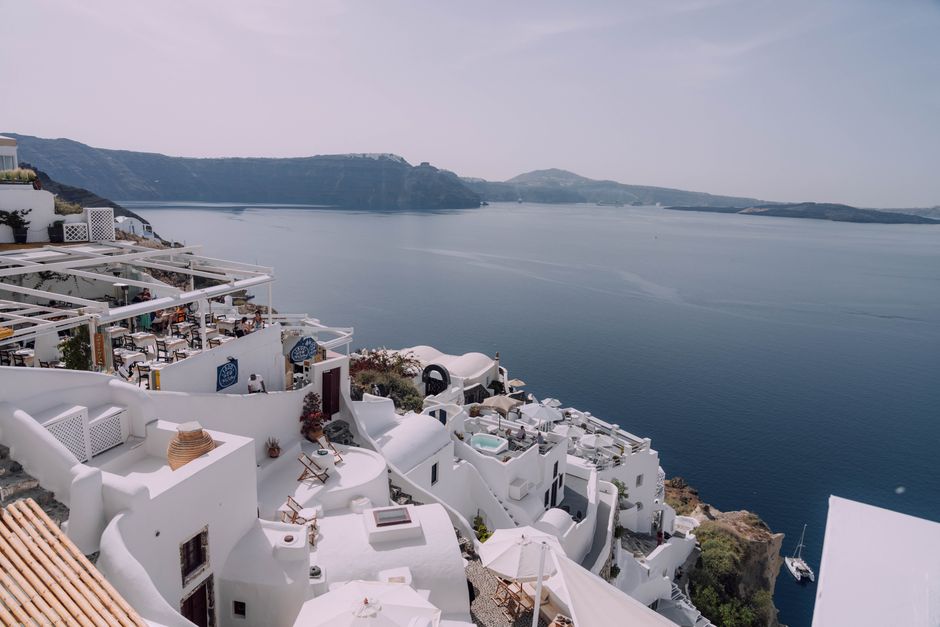
Santorini is easiest to enjoy when you match the season to your expectations. In high summer, the weather is ideal, but the island can feel busy—especially in the villages around the caldera. If your goal is “without crowds,” you’ll usually have the best experience in shoulder months, when the days are warm enough for swimming and sightseeing but the demand hasn’t peaked yet.
Below you’ll find a practical month-by-month view of what conditions are like and what crowd reality tends to look like, plus a shortlist of places that still feel worth visiting when you do get there.
Weather and Crowd Reality in Santorini
What creates the crowd pattern
Most visitors arrive for two things: beach time and classic sunset views. That means crowd pressure rises in the months when:
- The sea is warm enough for swimming (roughly late spring into summer)
- Daylight is long for walking the caldera paths
- Flights and ferries are frequent and capacity is high
The biggest practical takeaway: if you pick your month well, you can still experience the “Santorini look,” but you’re less likely to queue for viewpoints or fight for dinner tables.
Typical weather patterns you should plan around
Santorini’s weather is shaped by sun, wind, and the time of year:
- Winter (roughly Dec–Feb): cooler and often breezy; rain showers happen, and the sea is cold.
- Shoulder season (Apr–May, Sep–Oct): mild-to-warm days with fewer peak-season surges.
- Summer (Jun–Aug): the warmest, driest stretch, but also the busiest and most expensive.
Even within the same month, wind can affect comfort—especially if you’re staying with lots of exposed outdoor walking.
Low-crowd places to target (and why)
When you’re trying to avoid the busiest caldera hotspots, you’ll still want anchors—places you can plan around so you’re not constantly switching plans. These are good bets across shoulder periods and calmer weeks:
- Oia (great views; tends to be the busiest caldera town)
- Fira (central base; usually easier to move between areas)
- Imerovigli (often quieter for caldera walks)
- Ancient Thira (elevated ruins; better visited earlier in the day)
- Perissa Beach (long black-sand beach; typically steadier than the caldera villages)
- Perivolos Beach (neighboring beach stretch; good for a beach-focused trip)
- Kamari Beach (more sheltered feel than some exposed areas)
- Red Beach (spectacular but can be busy in peak hours)
- Nea Kameni & hot springs boat trip (a classic half-day plan)
- Megalochori wine tasting (slower, inland feel; often less crowded)
January to March: Quiet, Breezy, and Best for Budget Planning
January and February
In these months, Santorini is often at its quietest. Expect cooler temperatures, more cloud or rain on and off, and breezier conditions that can make evenings feel colder than the daytime suggests.
Crowd reality is usually excellent for “no lines” sightseeing, but it’s also the season where you should assume:
- Fewer choices for dining and tours (some places run reduced schedules)
- More emphasis on indoor time and viewpoint timing
If you’re travelling mainly for scenery and walks, you can do it well. If your priority is a beach holiday, this is not the season to count on swimming.
March
March starts to feel more alive than January and February, and it’s where the weather begins to trend toward “walkable with a light layer.” Crowds remain relatively low, but you may notice more families and couples arriving in late March as spring demand builds.
Practical planning tip: for March travel, keep your plans flexible. If a windy day hits, shift toward indoor-friendly activities and viewpoint time when the light is good.
Month-by-month quick take (Jan–Mar)
- January: Quiet; cool, often grey or windy
- February: Still quiet; breezier and colder nights
- March: Fewer crowds than spring; milder days starting late-month
April to May: First Warm Days, Manageable Crowds
April
April is a strong month for travellers who want the island atmosphere without the full peak-season pressure. Days are usually pleasantly warm, and the caldera views are easier to enjoy when you’re not dealing with peak heat.
Crowd reality: it’s generally busy enough to feel “alive,” but not so busy that you constantly feel stuck. The exception is around Easter timing, which can lift demand quickly—book ahead if you’re travelling at a similar time.
May
May is often one of the best compromises: the island becomes more comfortable for longer days, and the balance between “good weather” and “not too crowded” can be excellent.
Sea temperature is still hit-and-miss by mid-to-late May, so set expectations for comfort rather than guaranteed swimming joy every day.
Crowd reality: it can increase noticeably in the second half of May as more travellers start planning their summer-style itineraries.
Month-by-month quick take (Apr–May)
- April: Comfortable sightseeing; moderate crowds
- May (early): Quiet-to-moderate; good walking weather
- May (late): More demand; book popular viewpoints and day plans earlier
June to August: Peak Weather, Peak Crowds (Plan to Be Smart)
June
June is where the mood often shifts. You’ll get long, sunny days and more beach time, and that’s exactly why demand increases.
Crowd reality: generally climbing fast. Early June can still feel manageable compared with later in summer, but by mid-to-late June you’ll want to act like it’s peak season—especially for restaurants in caldera villages.
July and August
These are the months when Santorini is busiest. Weather is typically at its best—hot, sunny, and lively—but crowds can feel unavoidable in the most famous areas.
If you’re set on July or August, your best strategy is to reduce friction:
- Plan viewpoints early or late (avoid the middle of the day)
- Base yourself where you can walk to daily essentials without constant car or bus hopping
- Treat popular day trips as fixed reservations rather than “maybe we’ll go”
Month-by-month quick take (Jun–Aug)
- June: Turning point month; crowds increase quickly
- July: Peak demand; longest lines and highest prices
- August: Busy throughout; heat plus crowds can be a double challenge
September to October: The Best Balance for Most Travellers
September
September is a standout for “weather plus calmer vibes.” You often get warm days, the sea can still feel inviting, and the intensity of crowds drops compared with July.
Crowd reality: typically easier to breathe in than mid-summer. The island still has visitors, but queues and sold-out moments are often less frequent—especially if you avoid the busiest holiday weeks.
October
October can be excellent if you like a more relaxed pace. Days can remain pleasantly warm, but evenings may feel cooler—especially if you get a breezier week.
Crowd reality: usually noticeably lower than September, with a “travelers who planned well” feel rather than a mass-market rush.
One caution: as October progresses, expect more variability in beach comfort. Plan for sunshine and great walking days, not guaranteed swimming every day.
Month-by-month quick take (Sep–Oct)
- September: Warm and calmer than summer; strong choice for low-crowd comfort
- October: Relaxed and scenic; pack layers and plan for cooler nights
November to December: Winter Calm With Fewer Services
November
November is often quiet, but it can also be changeable. You’ll generally see fewer visitors, yet you should be prepared for cooler temperatures and occasional wet or windy days.
Crowd reality: usually very manageable. The trade-off is that some tours and seasonal services may run on reduced schedules, so planning needs a little more structure.
December
December keeps the “quiet season” character. The island looks beautiful in winter light, but it’s not a beach-forward trip. Instead, it’s about slow sightseeing, calmer streets, and flexible daily plans around weather.
If you’re travelling in December, focus on viewpoints and inland experiences that don’t depend on perfect beach weather.
Month-by-month quick take (Nov–Dec)
- November: Quiet; cooler and more variable weather
- December: Very quiet; fewer services and cold sea expectations
Next steps: choose your month and lock in the basics
Start by deciding what “no crowds” means for you: fewer people on viewpoints, fewer sold-out meals, or a calmer beach experience. Then pick the month that matches your tolerance for wind and cooler evenings—often April/May or September/October for the best balance. Finally, book your accommodation and any key day plans earlier than you think, even in shoulder season, so you don’t end up in the busiest areas by accident.