

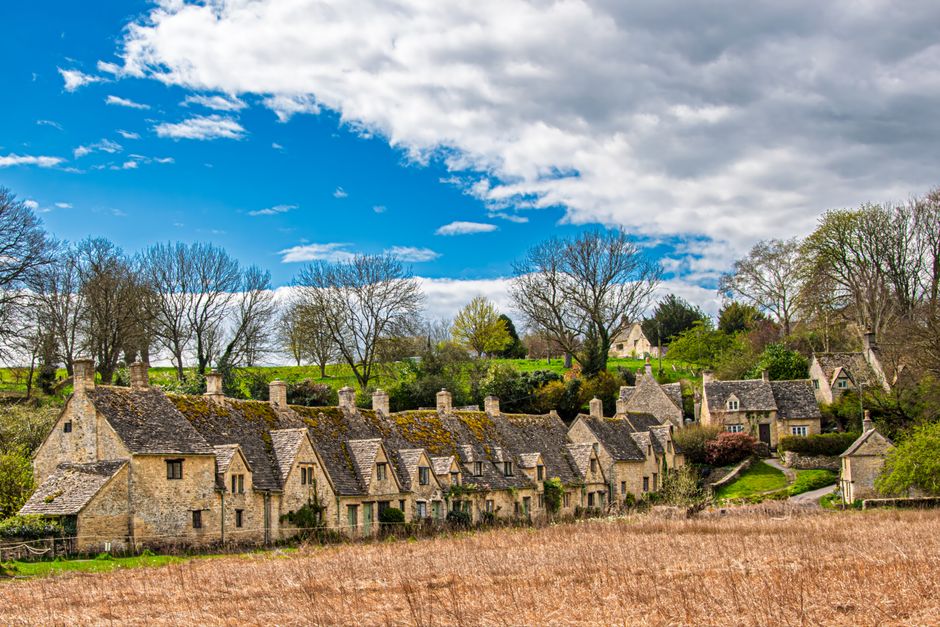
Planning a self-guided Cotswolds trip from London is mainly about one thing: choosing the right train arrival, then building your days around the bus connections between villages. If you get that order right, you can do a proper village-to-village routing without juggling complex transfers or changing your plan every few hours.
Below is a practical way to structure the trip, plus sample itineraries that keep travel time sensible.
Start With the Right Train Town in the Cotswolds
The Cotswolds doesn’t have one “main station” that serves every village. So your first decision is where the day starts: pick a train stop that gives you straightforward onward buses, then base yourself nearby.
Use the Moreton-in-Marsh side for classic central villages
If your goal is a classic sweep of the central Cotswolds, aim for rail stops around Moreton-in-Marsh (often the easiest place to start bus routes into nearby villages). From there, you can reach villages such as Stow-on-the-Wold, Bourton-on-the-Water, and the Slaughters using buses that run at least a few times per day.
Use Oxford or Cheltenham as backup gateways
If timings don’t line up around Moreton-in-Marsh, you can still build a Cotswolds loop by rail into Oxford or Cheltenham and then travel onward by bus into the region. This can work well if you’re happy to keep your first day as a “transfer + first village” day rather than cramming multiple stops.
Choose one base, or move only once
Self-guided works best when you limit check-ins and pack/unpack. For most travellers, that means:
- stay in one overnight base for 2–3 nights, then move once (if you want both eastern and western villages)
- treat your bus travel as “between-village” rather than “between hotel”
If you try to change bases every day, the village hopping becomes a logistics exercise.
Build a Village-to-Village Loop Around Bus Lines
Buses are the glue for car-free Cotswolds. The trick is to pick a loop where each hop is short enough to still enjoy the village you’re arriving at.
Pick a north-to-central hop pattern
A common routing pattern is rail in, then a sequence of nearby villages so you don’t lose the best daylight to long waits. For a classic central feel, you can connect:
- Chipping Campden
- Broadway
- Stow-on-the-Wold
- Bourton-on-the-Water
- Lower Slaughter
- Upper Slaughter
- Bibury
- Castle Combe
- Tetbury
- Moreton-in-Marsh
Not every stop appears in every bus route, so the “loop” is really a set of possible hops you can stitch together based on the specific timetable day you’re travelling.
Pick an east-to-west hop pattern
If your travel days include a westward push (towards Wiltshire-side villages), it helps to structure your loop so your longest bus day is only one day, not spread across the whole trip. That’s how places like Castle Combe and Tetbury fit naturally into a multi-night plan rather than turning into an exhausting back-and-forth.
Keep one flexible afternoon buffer
Buses in rural areas can be less frequent than you expect, especially outside peak hours. Build your day so you have a “buffer” village you can swap in or out without breaking the rest of the route.
A good rule: don’t schedule your last bus ride as the final activity of the day. Finish with an easier evening plan near where you’re staying.
A Self-Guided Itinerary That Works Without Car Hire
Use the sample routing below as a template. Then adjust based on the actual bus frequency on the day of the week you’ll be there.
Three-day classic loop (central Cotswolds feel)
Day 1: Start around Moreton-in-Marsh, then work toward Stow-on-the-Wold and Bourton-on-the-Water if the bus connections allow. If you arrive by train earlier in the day, aim for two villages; if you arrive later, do one village well and keep the second as an evening stroll.
Day 2: Focus on the Slaughters area. Use buses to reach Lower Slaughter and Upper Slaughter, then continue toward Bibury when the timing works. This is the day that usually rewards slower pacing—give yourself time for quiet lanes rather than rushing to tick off stops.
Day 3: End with a scenic village hop. Depending on the route you’ve chosen, you can add Chipping Campden or Broadway, then return toward your overnight area. If your day feels tight, prioritise one of those and leave the other for a future trip.
Four-day bigger loop (add a westward detour)
Day 1–2: Follow the three-day central rhythm above, but keep one afternoon looser so you can absorb any timetable surprises.
Day 3: Add Tetbury and Castle Combe as your westward day. Build it so you’re not arriving in the last village with limited time—this is the kind of day where a slightly earlier start often pays off.
Day 4: Finish with whichever of Chipping Campden or Broadway you skipped earlier, then use your final rail transfer back toward London.
Rain-day fallback (still self-guided)
If weather turns, switch from “hop between villages” to “do one village properly.” Concentrate your day around the village core (shop streets, cafés, viewpoints) and keep the only bus ride as a single necessary transfer. This keeps the trip enjoyable even when walking time is reduced.
Where to Sleep and How to Time Your Transfers
Car-free Cotswolds works best when your overnight base is close to a rail arrival and a bus hub—so you can recover easily if a connection is slower than planned.
Plan your overnight base around convenience, not aesthetics
A village-centre stay is tempting, but convenience matters more when you’re relying on bus schedules. Choose a base area where you can reasonably reach your morning bus stop and still get back for the evening without long end-of-day waits.
If you want maximum village character, look for places that are a short walk or quick bus ride from the centre of your chosen base town.
Time your day so you don’t chase buses
Your best day layout is usually:
- morning: earliest feasible hop
- mid-day: longest village dwell time
- afternoon: one more hop (not two) unless frequency is clearly strong
- evening: return to your base early enough to avoid your “last bus” scenario
When you check bus times, also look at how much time you need to actually get from the stop to the village centre. Rural stops can be quick to miss or slightly removed from the main lanes.
Factor in evenings in peak season
In summer and around major holiday periods, popular villages can feel busy. That’s not a reason to skip them, but it affects the flow of your plan: allow longer for walking through the most visited areas, and keep your bus return timed with a realistic buffer.
Tickets, Seating, and Practical Logistics
This is the part that prevents stress. You’re not just buying tickets—you’re building a routine around where delays matter.
Train tickets: aim for simplicity, not the cheapest fare
For London-to-Cotswolds rail travel, choose a booking that gives you the most straightforward route for your arrival day. If you’re making connections (for example, train into an onward hub and then bus), build your plan around the first rail leg you can’t easily miss.
If you can, travel with a little slack on the arrival day. That way, if buses don’t line up perfectly, you’re not forced into a rushed scramble.
Bus reality: check whether you can board the way you expect
Rural buses vary in how they handle payment and how “bus stop order” works. Before you commit to a day, make sure you know:
- where you board and which side of the road the stop serves
- whether you’ll need to buy on board or can use common ticketing methods
- how often buses run on your travel day (weekdays can look very different from weekends)
If you’re travelling with a suitcase, plan for carrying it over short distances, especially if the boarding area isn’t right at the village entrance.
Accessibility and walking distance
Village-to-village routing includes stairs, cobbles, and uneven pavements. If you need mobility support, the safest approach is to keep your hops shorter and your per-village walking time limited. Even without mobility challenges, give yourself room for slower moving along narrow lanes.
Also, keep an eye on where viewpoints or riverside paths are—sometimes the route looks close on a map, but the walk is longer than expected.
What to Do Next
Start by choosing your rail arrival town based on the villages you most want—then build your bus hops around one or two morning options. Once your loop is set, pick one overnight base for the first part of the trip, and only move if your timetable and bus frequency genuinely support it.