

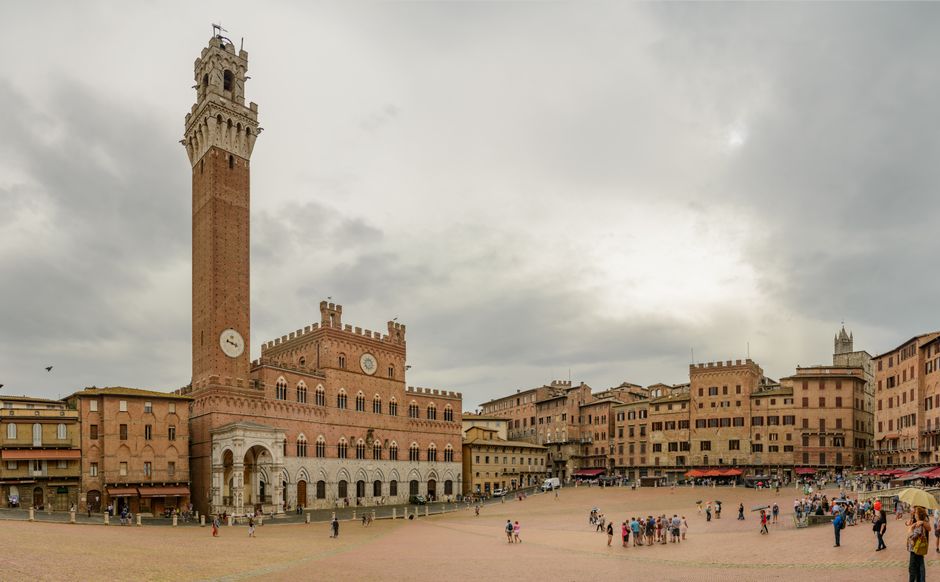
Train or Bus to Siena: What Works for a Day Trip
Siena is straightforward from Florence, but the “best” option depends on how flexible you are with departure times.
Train options (simple and scenic)
If you want a low-effort morning, take the train from Florence’s main station (Santa Maria Novella) toward Siena. Most journeys land you in Siena in roughly the 1.5–2 hour range, though exact times vary by service.
A rail day trip tends to work well because you avoid city-centre bus stops and you can spend the arrival time mentally switching from travel mode to walking mode.
Bus options (often fewer “hangups” for short days)
Buses typically take around 1.5–2 hours as well. They can be handy if your preferred train departures don’t line up with the rest of the day, or if you want a more predictable door-to-door plan.
Ticket timing: buy early for peace of mind
For a smooth day trip, you are aiming for reliability rather than speed.
- In peak periods (summer, Italian holiday weeks, and busy weekends), buy tickets a bit ahead so you can choose a morning departure.
- If you travel off-season, you often can still find seats close to departure, but keep a backup option (one earlier and one later).
- On the day, build in time to reach the station/bus area and to handle any ticket validation requirements before boarding.
From the Station to the Centre: Walking Routes and ZTL Parking
Siena is made for walking, but the historic core is not made for car access. Planning the “last mile” correctly saves you from frustration.
Arriving on foot: how long it really takes
Siena’s station is a few kilometres from the centre. If you have energy, walking can feel like part of the trip. If you are arriving in midday heat—or with heavy bags—plan to use local transport or a short taxi ride for the first leg.
Getting around once you’re in the centre
Once you reach the centre, you will mostly move on foot. Streets are narrow, slopes appear without warning, and crowds can slow you down.
- Expect steady walking rather than “quick hops.”
- Leave extra time near major squares because people naturally cluster there.
- Wear shoes with good grip; Siena’s historic paving can be uneven.
If you drive: ZTL is the big issue
If you are travelling by car, the key risk is Siena’s limited traffic zone (ZTL), which restricts cars in parts of the centre. You can easily enter the wrong area even if you follow a “fast” route.
Practical approach:
- Park outside the ZTL in a peripheral garage/parking area and walk in.
- Follow signs carefully and assume centre access rules can change by day.
- If you are not confident reading ZTL signage, treat the car as “parking only,” not “driving around the old town.”
Siena Highlights You Can See Without Rushing
You do not need to try to “see everything” to have a great Siena day. Prioritise the sights that cluster well and cut down backtracking.
Pick your must-sees
Aim to choose 5–7 from the list below so you can keep a buffer for lines and slow walking.
- Piazza del Campo (Siena’s main shell-shaped square)
- Siena Cathedral (Duomo) complex (exterior first, then plan your interior time)
- Baptistery (usually best as part of the Duomo visit)
- Torre del Mangia (the classic tower viewpoint)
- Libreria Piccolomini (a highlight if you include the cathedral interior/nearby spaces)
- Piccolomini / Piccolomini-area streets and viewpoints (you will naturally pass them while moving between sights)
- Fortezza Medicea (Medici Fortress) (a calmer walk with great city views)
Build your route around clusters
A simple way to avoid rushing:
- Start in the Piazza del Campo area.
- Move through the Duomo complex zone.
- Shift outward to viewpoints/fortress once the centre is busiest.
A Self-Guided Day Itinerary With Realistic Buffer Time
This itinerary is designed for a self-guided pace. It assumes you start early and you keep at least a little slack for queues, photo stops, and the “Siena pace” where walking takes longer than it looks on a map.
Example day plan (with built-in buffers)
Use this as a template and adjust based on what you booked and how long you want to linger.
- Morning departure from Florence: choose an early morning service so you are in Siena before the biggest crowds build.
- Arrive and settle (buffer 15–30 minutes): get from the station to your first area (walk if you want, otherwise short local transport/taxi), then head straight for coffee and orientation.
- Piazza del Campo + quick streets loop (60–75 minutes): soak up the square, then walk a short loop through the nearby streets without forcing extra stops.
- Duomo complex visit (90–110 minutes, including lines): factor time for entry and slower movement inside the complex.
- Torre del Mangia viewpoint (60–75 minutes total): include time to line up and climb/descend; if you find it too crowded, skip the tower and shift to nearby interior spaces instead.
- Libreria Piccolomini / cathedral-area extras (30–45 minutes): keep this flexible so you don’t lose your lunch rhythm.
- Lunch break away from the busiest lanes (60–90 minutes): aim for a spot slightly off the main concentration of foot traffic.
- Fortezza Medicea + late-afternoon views (60–90 minutes): walk out for the calmer payoff, then return toward the centre before heading back to Florence.
How to protect the day from delays
If something runs behind (common ones are cathedral entry lines and tower queues), you protect your plan by dropping one “optional” block.
A simple swap rule:
- If you are late, keep Piazza del Campo + Duomo complex and cut either the tower or one extra interior stop.
- If you are early and crowds are light, spend the buffer slowly walking viewpoints and photographing streets rather than adding more major venues.
Booking and Timing: How to Avoid the Biggest Lines
Self-guided does not mean “unplanned.” The best results come from deciding what needs pre-booking and what can stay spontaneous.
What usually benefits from advance planning
For Siena, the busiest time sinks tend to be specific entry points and popular viewpoints.
- Cathedral complex access: consider booking or choosing a time window ahead so you are not waiting too long in the middle of the day.
- Torre del Mangia: towers can have limited capacity per time slot, and late-day crowds can make it harder.
When to go within the day
Even if you go in the right season, timing matters.
- Start with the major sights early in your day to reduce line pressure.
- Give your lunch time to “bypass the peak,” typically avoiding the narrow band when everyone eats at once.
- Save calmer areas (like fortress viewpoints) for later so you can slow down when the centre is busiest.
Keep your return plan flexible
Siena trains and buses back to Florence are frequent enough for most travellers, but a delay can still happen.
- Plan your return window as “time to get there,” not as “time to linger.”
- Leave enough slack to walk back from viewpoints and get to the station/bus area without feeling rushed.
What to Do Next to Lock in Your Day
Pick your travel direction first: decide whether you prefer train or bus based on which morning departure fits your ideal arrival time. Then choose your top 5–7 Siena priorities from the list and schedule (or reserve) anything that typically gets crowded. Finally, copy the itinerary template and adjust the arrival/lunch/return slots to match your chosen transport so you keep the buffer where it matters most.