


Zanzibar’s East Coast rewards you when you match the beach to the conditions. Here, the sand can look inviting even when the sea is choppier further out, and the “best” beach changes with the tide, wind direction, and even how much seaweed washes in on a given week.
If you’re travelling for swimming—rather than just sunsets—think in zones. The island’s eastern stretch has a lively middle (where more visitors cluster) and quieter pocket beaches a little farther along, where you’ll often find calmer water close to shore and a more local rhythm.
Swimming on the East Coast: tides, wind and seaweed

Expect changing waterline depth
Most visitors learn this quickly: near the beach, you can have warm, shallow water that suits a relaxed swim, while beyond the first few metres the sea can deepen fast.
If you’re planning time in the water:
- Go by the waterline you see on arrival, not the postcard view.
- If waves are breaking farther out, swimming is usually easier close to shore.
- At low tide, some areas expose wider sandbars—great for a gentle paddle, but less ideal if you want to swim straight out.
Snorkel access is “patchy” rather than uniform
Snorkeling around Zanzibar often depends on where the reef line sits relative to the sand and how clear the water is that day.
You’ll generally get your best results when:
- The reef is close enough for a short swim or easy entry.
- Water clarity is good (often most noticeable after calmer morning conditions).
- You keep expectations realistic: this is not the kind of snorkel scene where every single beach day delivers identical sightings.
Crowds tend to concentrate by season and by beach vibe
The East Coast’s busier beaches attract day-trippers and kite-and-surf crowds, so they can feel energetic even if you’re not “on a party” trip.
As a rule of thumb:
- Expect more foot traffic and beach activity in the most famous stretches.
- Quieter beaches are usually a short distance away, but they can feel worlds calmer once you’re there.
Paje and Jambiani: lively beaches with the most reliable shallows
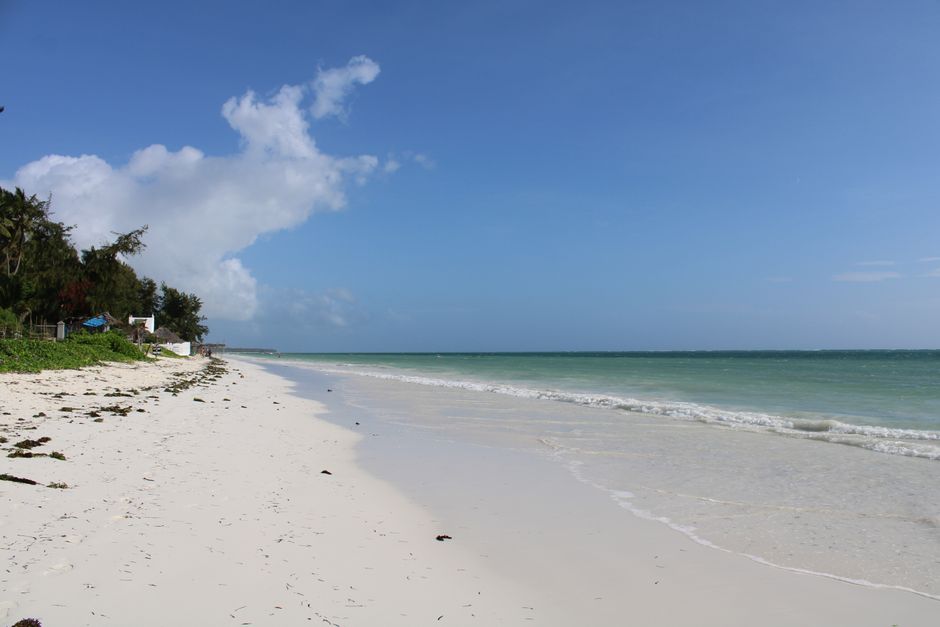
Paje: best for an active beach day
Paje is known for its broad, sandy feel and a beach scene that ranges from casual swims to water-sport energy. When the wind is right, you’ll find long, easy stretches where you can wade comfortably.
What to watch for:
- Crowds build quickly when visitors arrive for the day.
- On windy days, the water can get choppier—swimming is then better as a shore paddle than an out-and-back swim.
Jambiani: more village atmosphere, still beach-friendly
Jambiani often feels more “settled” than Paje, with a village-facing shoreline and a steady flow of travellers. The shallows near the beach can make it easier to swim without committing to longer open-water distances.
Why travellers like it:
- You can usually find calmer pockets closer to shore.
- It’s straightforward to spend time just in the water, then shift back to a quieter café pace.
Uroa: a calmer stretch for beginners and families
Uroa is a useful East Coast stop if you want swimming that feels less like an event. It’s not as famous as the Paje–Jambiani zone, so it often feels calmer, with fewer crowds filtering in.
Swimming conditions often feel gentler closer in
Uroa’s beach rhythm is usually more “paddle and relax” than “race the waves.” If your plan includes beginners, families, or anyone who doesn’t want to think too hard about where the safe waterline ends, it’s a strong candidate.
Look for:
- Entry points where the sea doesn’t immediately surge with bigger waves.
- Shaded breaks and natural anchor points so you can sit and reset without walking far.
Snorkeling can be done, but it’s about timing
You can still find snorkel-worthy spots, but clarity and access can vary by day. If you’re travelling with snorkelling as a priority, don’t judge the reef only by what it looks like at first glance—ask locally when the water has been clearest.
Bwejuu and Pingwe: quieter mornings and reef-led snorkelling
If you’re aiming for “quiet alternative” energy without leaving the East Coast entirely, Bwejuu and Pingwe are often where the pace drops. These beaches can feel more private, especially outside the main travel peaks.
Bwejuu: laid-back beach days with room to breathe
Bwejuu is where you start to feel fewer people and more space. Swimming here tends to be easier when conditions are calm, and the shoreline can be forgiving for long, slow sessions in the water.
What tends to work well:
- Staying close to the beach when seas are a bit lively.
- Using the morning for swimming if the wind picks up later in the day.
Pingwe: a calmer vibe with stronger “cove” character
Pingwe often feels more like a set of coves than one continuous, busy strip. That can be exactly what you want if you prefer quiet water and easy shoreline reading between swims.
For snorkeling:
- You’ll often get better access by choosing an entry that matches where the reef is closest.
- Some days are clearer than others, so plan snorkel time around the calmer part of the day.
Michamvi: low-key coves and dramatic views when seas are up
Michamvi is a good choice when you want the East Coast without the constant crowds. The coastline has a more “cove” feel, and it can look spectacular when conditions create texture on the water.
Swimming works best when you plan for the water’s mood
Michamvi can be excellent for relaxed swimming when the sea is gentle. When it’s not, you’re still likely to enjoy the beach—just shift from “swim far” to “swim comfortably near shore,” using the shoreline for the safer, calmer moments.
What to keep in mind:
- Water conditions can shift during the day, so aim to test the swim conditions on arrival.
- If waves are pushing in, choose the calmer entry zones rather than fighting the open water.
Snorkeling often means short, intentional sessions
The reef access in this area can be rewarding, but it rarely behaves like a guaranteed, every-hour experience. Instead, it’s better treated as “when the conditions line up.”
If snorkeling is high on your list:
- Prioritise the clearest morning window.
- Consider doing a short, focused session rather than committing to a long swim.
Plan your East Coast base: choosing where to stay
Picking a beach on Zanzibar’s East Coast isn’t only about what looks nicest. It’s about how you want your day to feel and how much you want to adapt to changing sea conditions.
Match your priority to the stretch
Use this as a simple way to decide:
- Choose Paje or Jambiani if you want the most straightforward “beach day” access and don’t mind more activity.
- Choose Uroa if you want a calmer base where swimming feels easier and less event-like.
- Choose Bwejuu or Pingwe for a quiet alternative with a slower rhythm and more space.
- Choose Michamvi if you prefer coves, scenic beach time, and snorkel sessions that depend on the day.
Book your stay with a condition-aware mindset
For the best swimming results, it helps to book where you can easily enjoy the beach even if one side of the sea is too lively for longer swims. A slightly quieter base also gives you flexibility: you can walk a little along the shoreline, reposition for calmer pockets, and still keep the day relaxed.
What to do next
Pick two beach areas from this guide that match your swimming comfort level—one busier option for easier logistics and one calmer option for quiet time. Once you’ve decided, plan your itinerary around shorter beach sessions and test the water conditions on arrival so you can enjoy Zanzibar’s East Coast the way you’re hoping to.